Simple habits and sensors that protect screens before a storm, and quick, careful repair when weather does its worst.
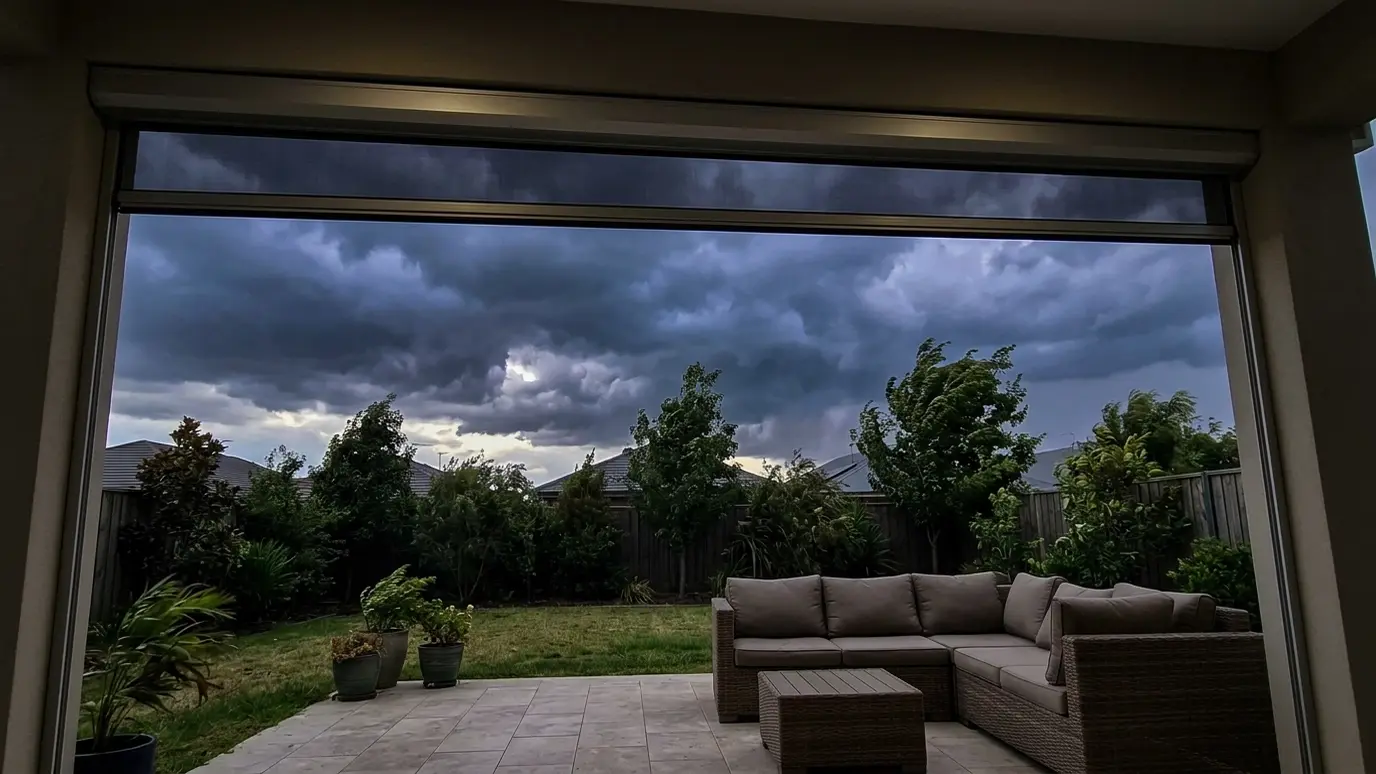
Middle Tennessee storms come with strong gusts, hail and falling limbs. Screens are built to handle normal weather, but no screen should be left down in severe wind. A few simple habits and a wind sensor protect them. When damage does happen, quick, careful repair gets the patio back in use.
Before storm season, we review your system, test any wind sensors and explain a simple routine: raise screens when severe weather is forecast. After a storm, we inspect for bent tracks, torn fabric, damaged housings and electrical issues, document damage with photos for your insurer and repair or replace what is needed. We also help you build a plan before storm season. That might include labeling a quick-raise switch, adding a wind sensor, tightening loose brackets or replacing a worn guide that could fail in a gust. A short checklist and a few small fixes in spring can save you a long repair list after the first big storm.
Raise screens, clear loose items from the patio and check that sensors are working. A few minutes can prevent a lot of damage.
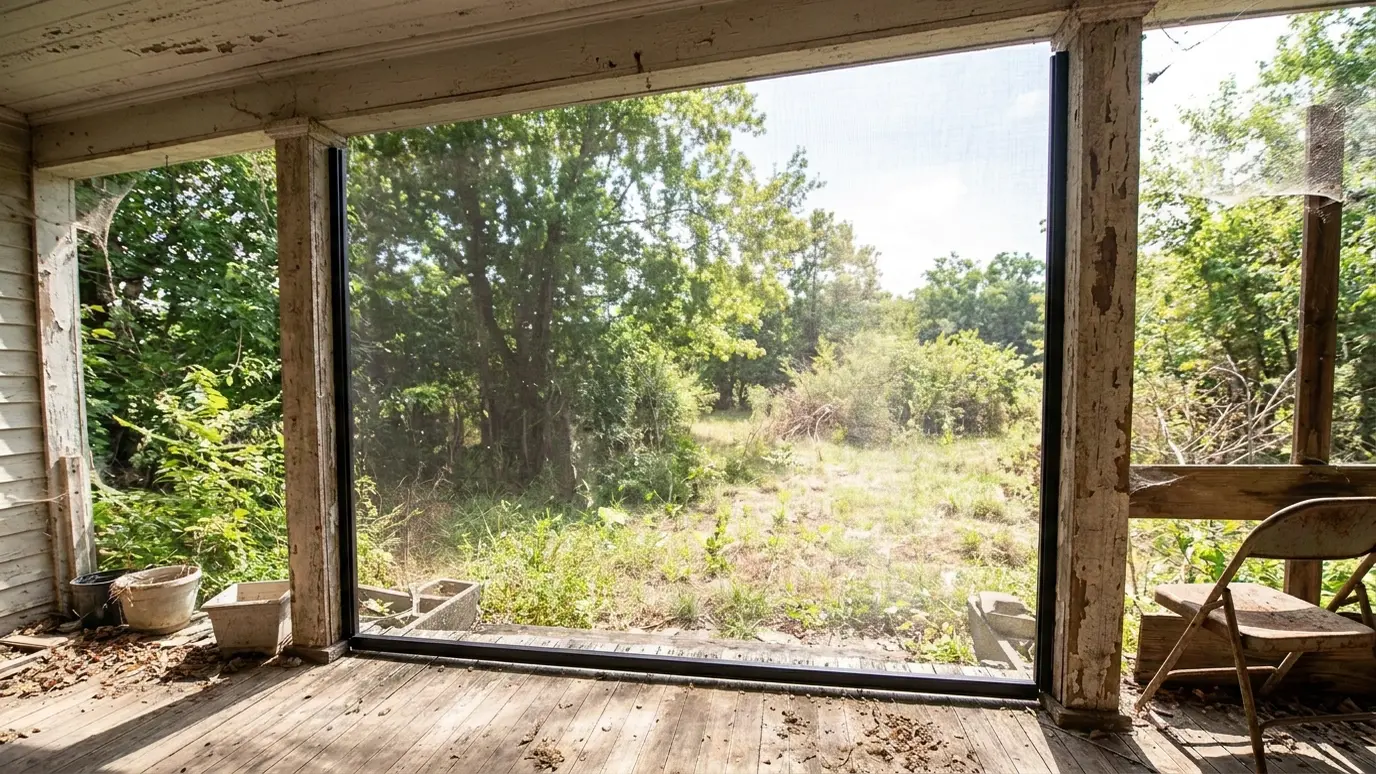
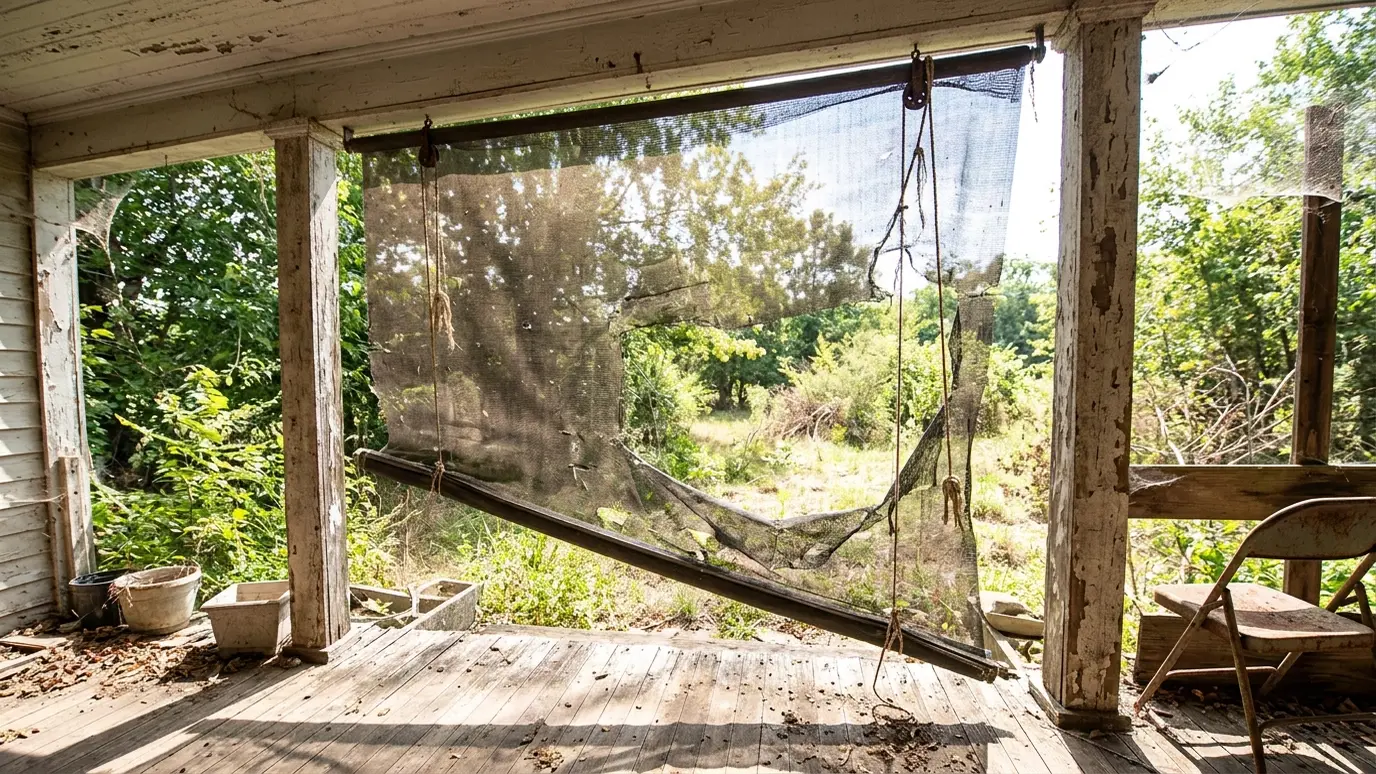
We inspect the whole system for bent parts, torn fabric, loose housings and wiring problems before the screens are used again.
Photos and written notes help with insurance claims. We provide a clear estimate for repair or replacement.
Where possible, we reinforce weak points, such as upgrading to zip tracks, adding sensors or improving mounting.
Drag the handle to compare.
 BeforeAfter
Know when to raise screens.
Auto-raise ready to go.
Clear records for insurers.
Tracks, fabric and housings.
Weak points reinforced.
Tested before we leave.
Every topic has its own page with what to expect and how we approach it.
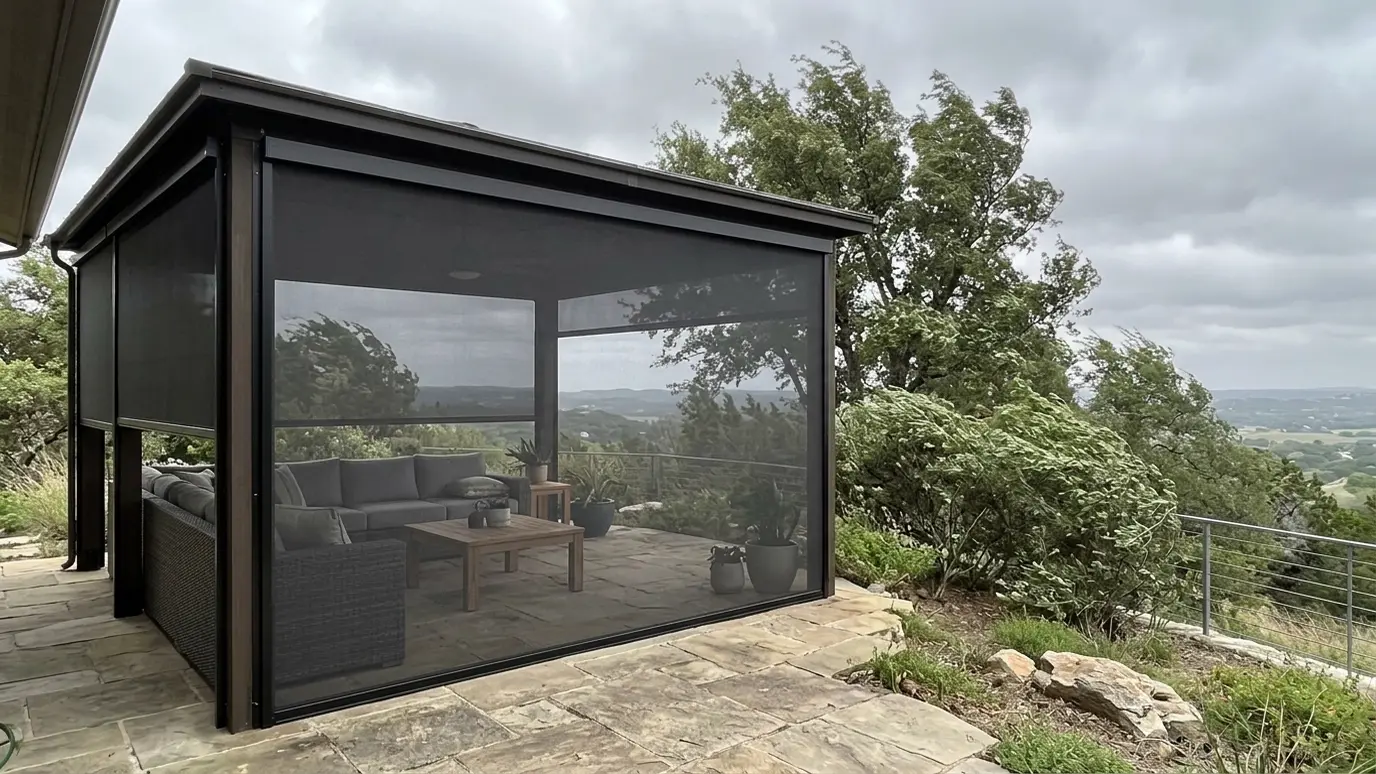 Project situationWindy LotsHilltops, open fields and wide-open subdivisions get real wind. Here is how to choose and use screens when…Learn more
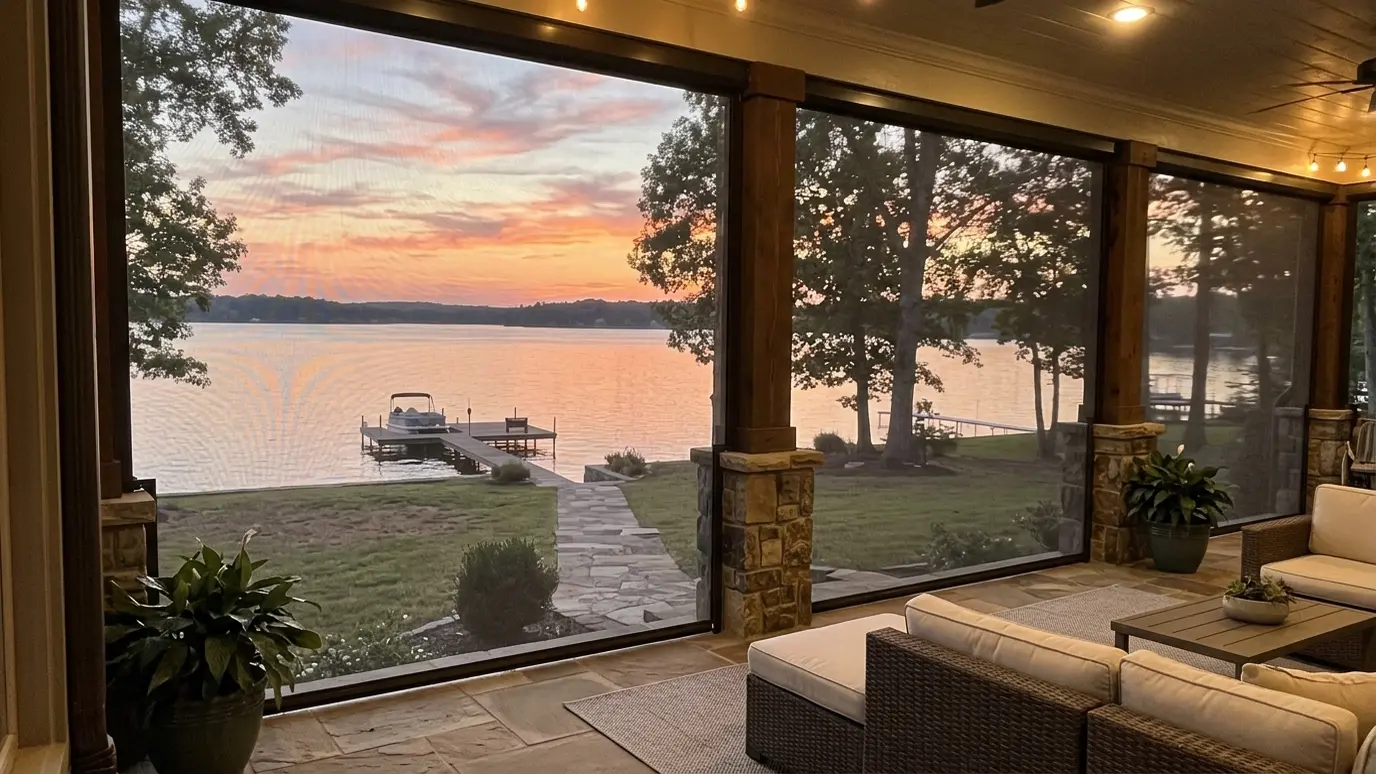 Project situationLakeside and Creekside LotsWater brings views, breezes and bugs. Here is how to screen a lake or creek patio and keep…Learn more
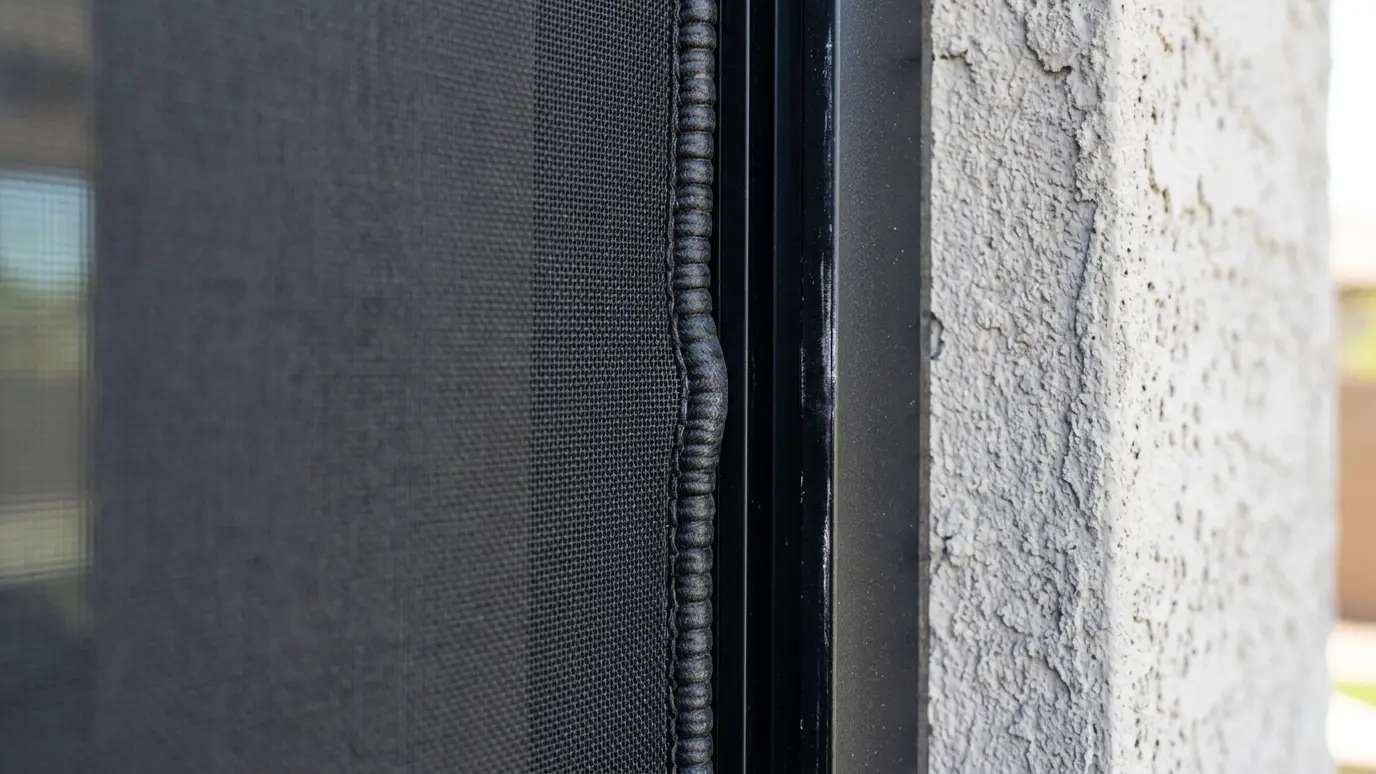 Material guideZip Track SystemsZip tracks lock the fabric edge into a channel so it stays flat in wind. Here is how…Learn more
Pick your exposure, opening width and track type to see wind guidance and when to raise the screen.
You tell us about the patio, the bugs or sun that bother you and the timeline, and we set a visit that fits your day.
We walk the patio, feel the sun, check the beams and columns, show fabric samples and talk through the layout.
We measure every opening carefully, write a proposal and coordinate any association approvals or electrical permits.
Your screens are made to size, then housings, tracks and motors are mounted and wired.
We set limits, pair remotes and keypads, check the seals and test every screen through full cycles.
We show you every control, share care tips and leave you to enjoy your first evening outside.
Yes. Raise them whenever severe weather is forecast.
It depends on your policy. We provide photos and estimates.
It helps but does not replace common sense.
Often yes. Severe damage may call for replacement.
Yes, with zip tracks, sensors and better mounting.
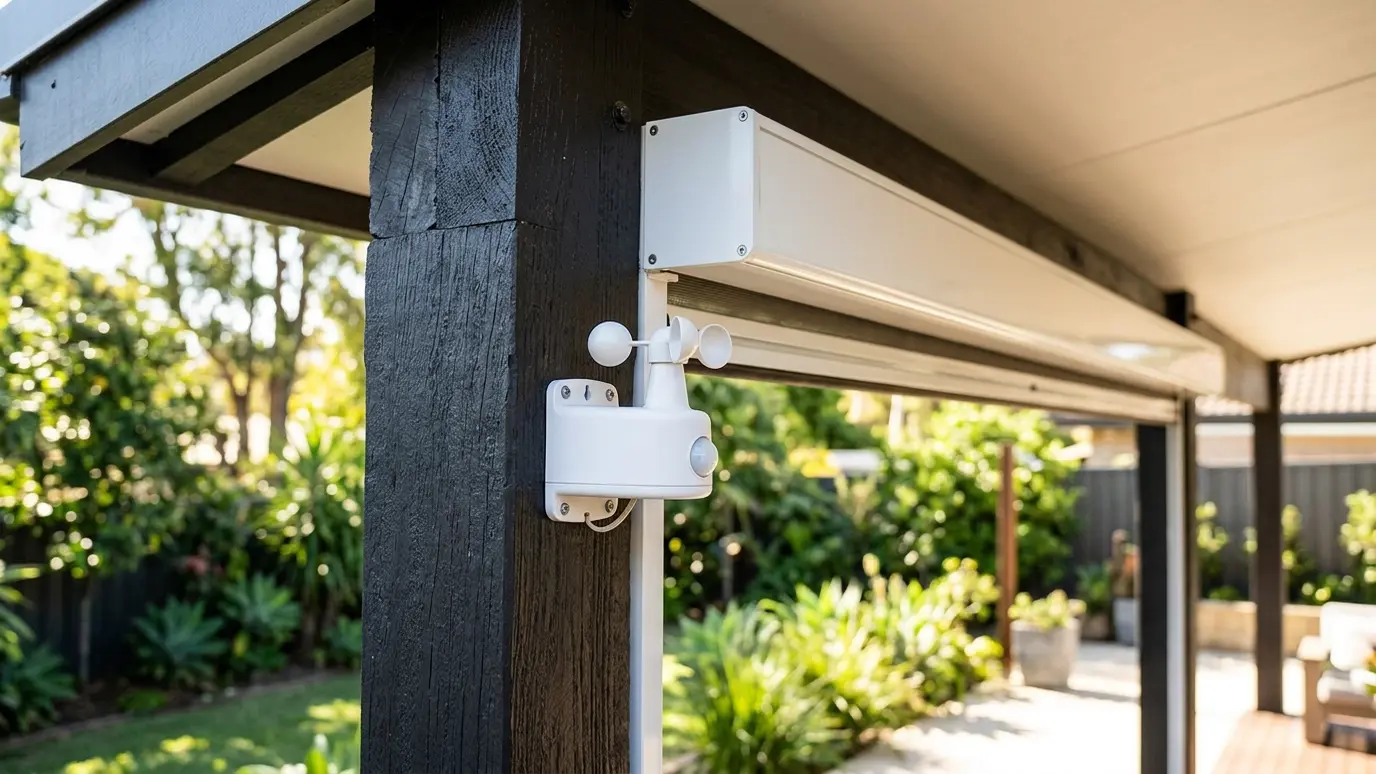 Wind and Sun SensorsSensors that raise your screens when the wind picks up and lower them when the sun gets strong…Explore
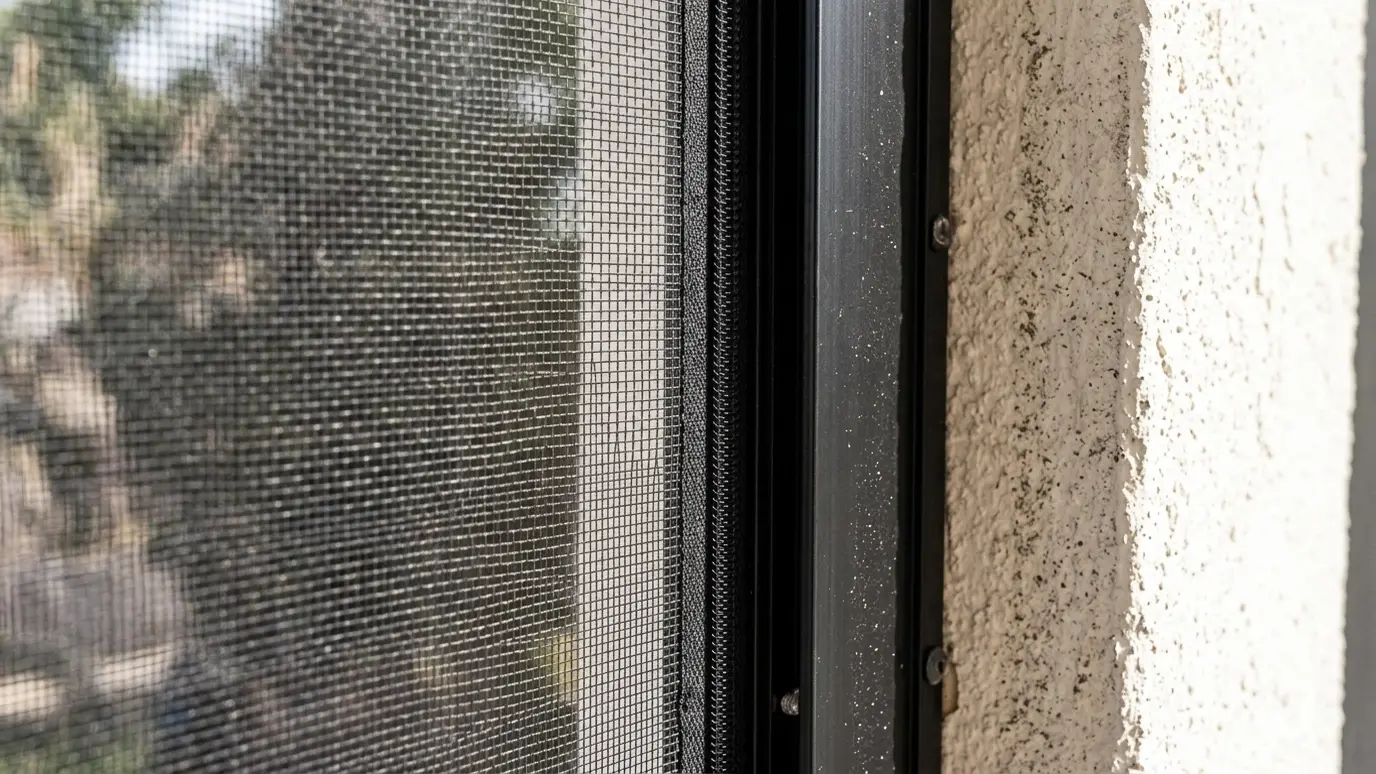 Wind-Rated Zip Track ScreensScreens that lock their edges into a tight track so they stay flat and stable in gusty weather…Explore
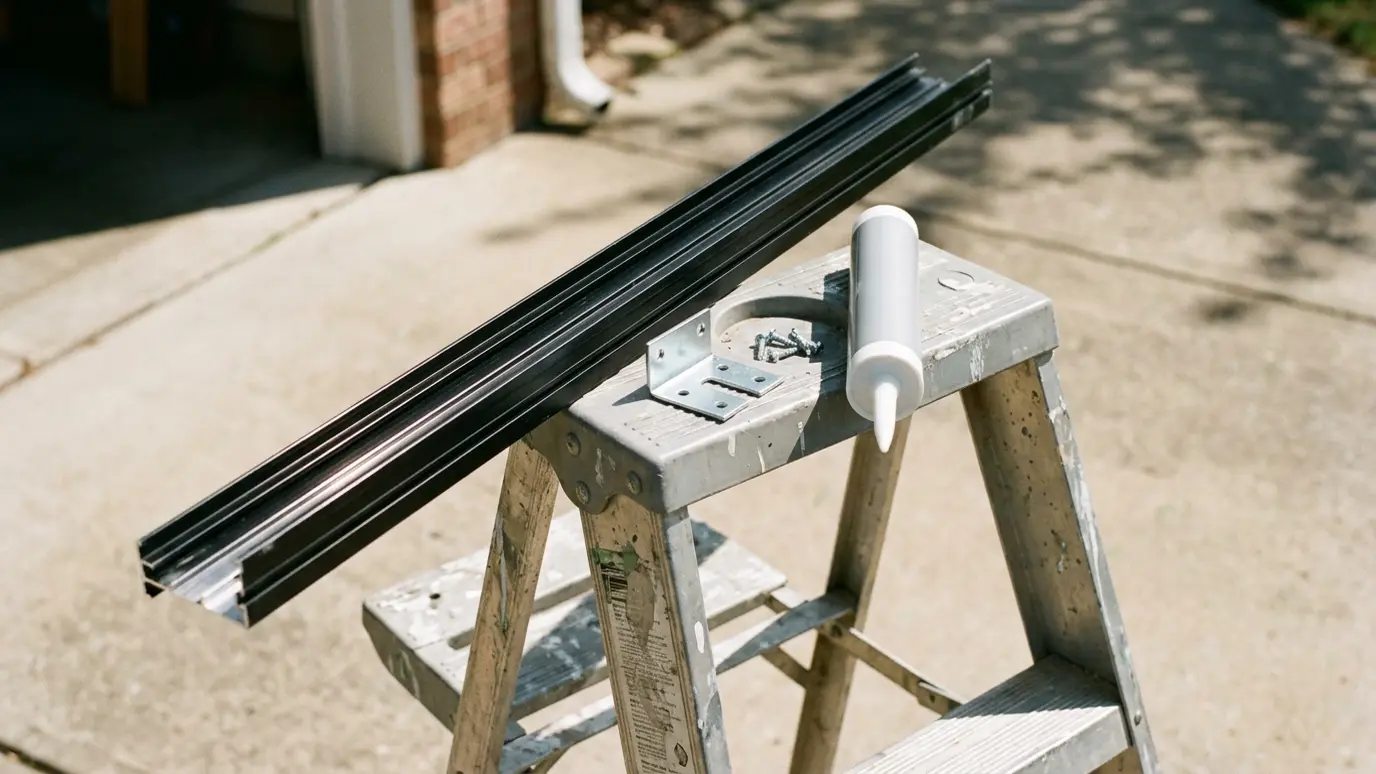 Track, Cable and Housing RepairRepairs for bent tracks, worn guides, loose housings and damaged cables that cause binding, noise or gaps.Explore
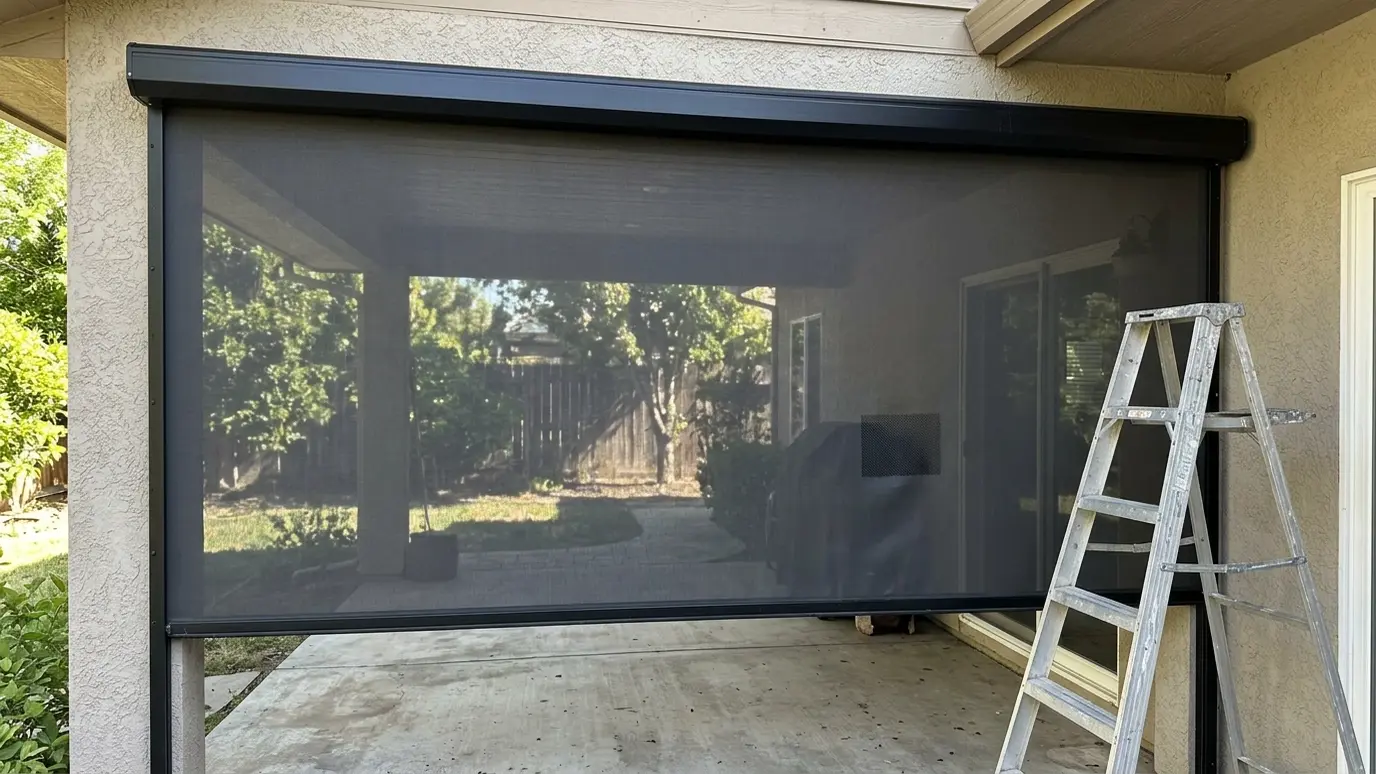 Screen Repair and RestorationFixes for torn fabric, sticking screens, bent bars and worn parts, so a tired screen goes back to…Explore
Tell us about the project and we will call you back to talk it through.
Or call (615) 357-7797 to talk now.