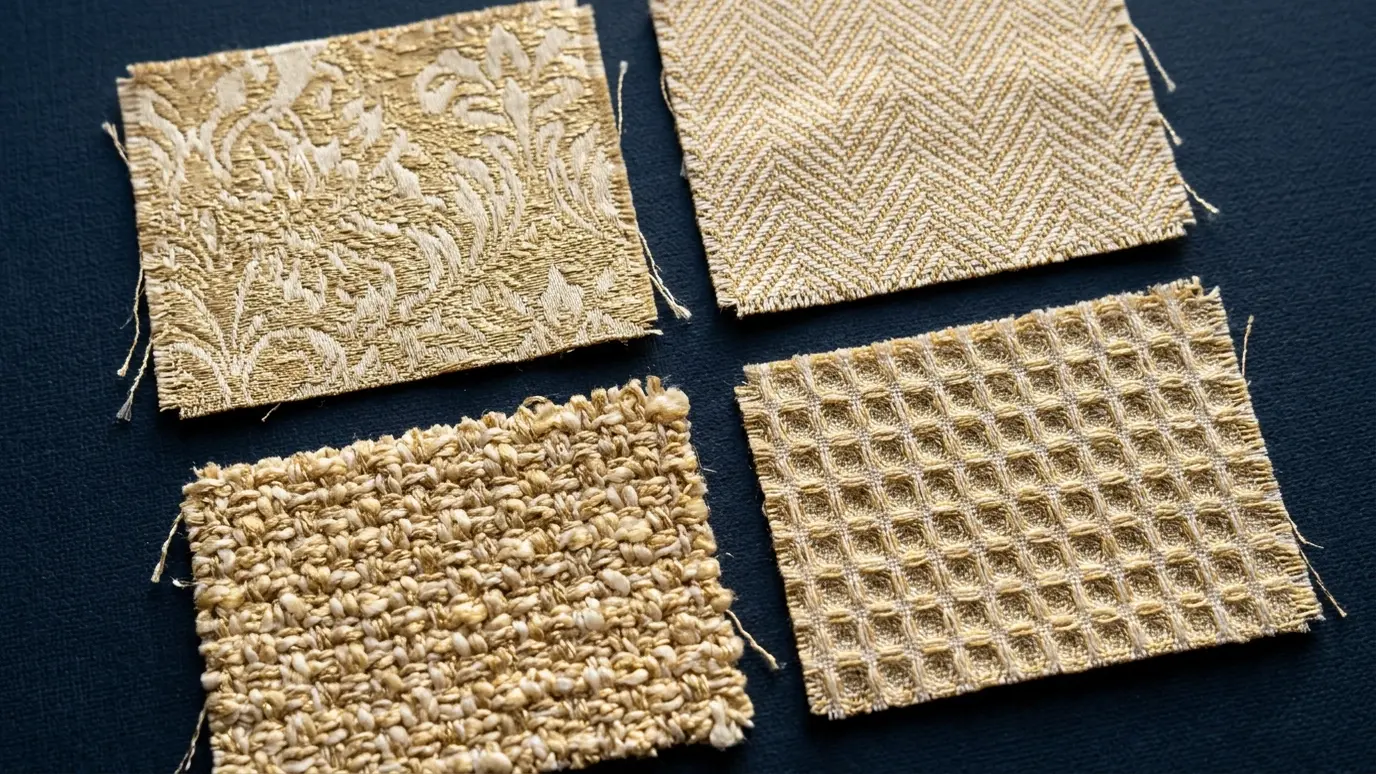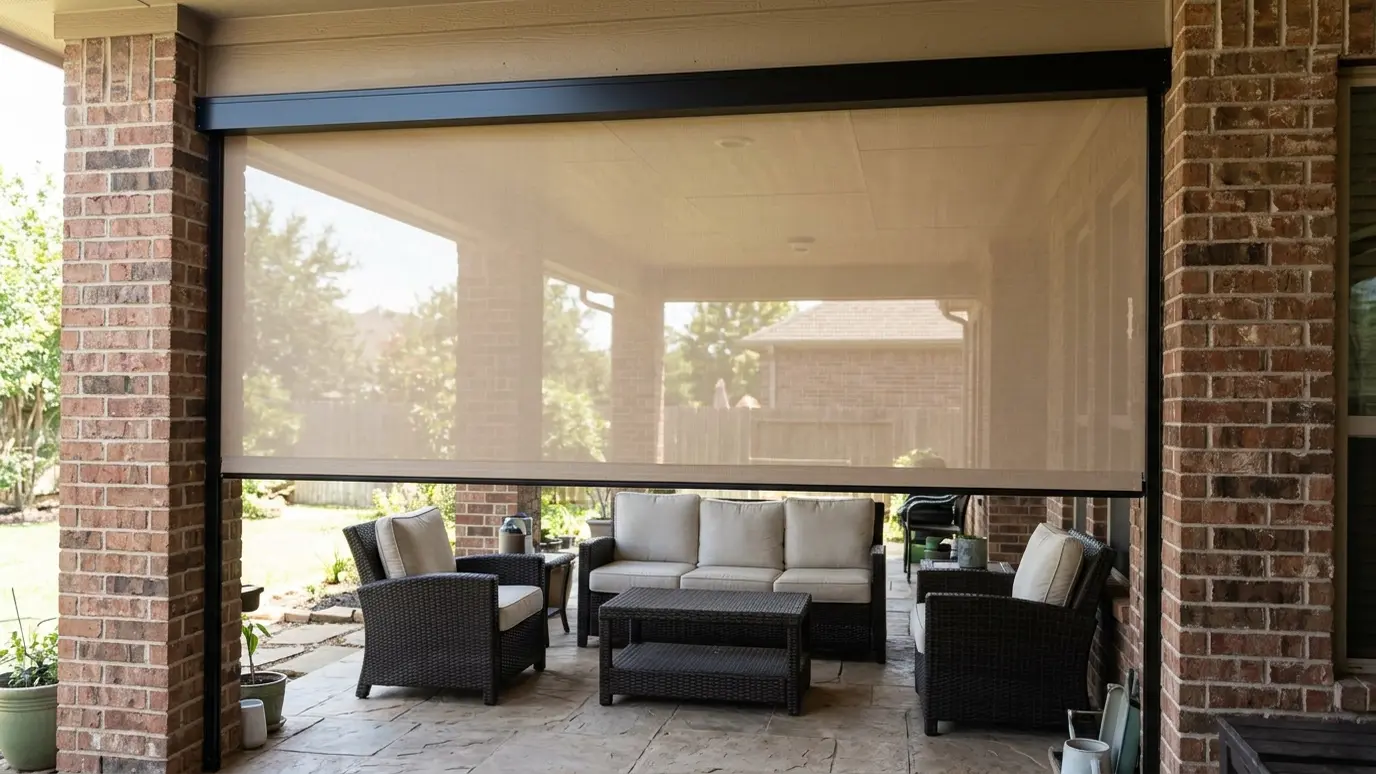
Woven shade fabric that cuts glare and heat from low afternoon sun while keeping a clear, comfortable view outside.
West-facing patios turn into ovens by late afternoon. A solar screen sits in the path of the sun and absorbs or reflects much of its heat and glare before it reaches your seating, windows and floor. You keep the view, you lose the squint and your patio and the rooms behind it stay noticeably cooler.
Solar fabrics are measured by their openness: a tighter weave blocks more sun but lets in less light and view, while a looser weave lets more through. We help you choose based on the direction your patio faces, the sun you want to block and the view you want to keep. We also recommend colors, because lighter and darker fabrics behave differently.
An openness of five percent blocks most sun, ten percent is a popular balance and higher numbers let in more light and view. We sample fabrics at your patio.
Darker fabrics reduce glare and keep the view clear. Lighter fabrics reflect more heat but can look hazier. Many owners choose a dark fabric for the sunny side.
Shade outside the glass is more effective than blinds inside. Screens in front of windows and doors reduce heat before it enters the house.
Some owners combine a solar screen on the sunny side with insect mesh on the others, so every direction gets the right protection.
Drag the handle to compare.
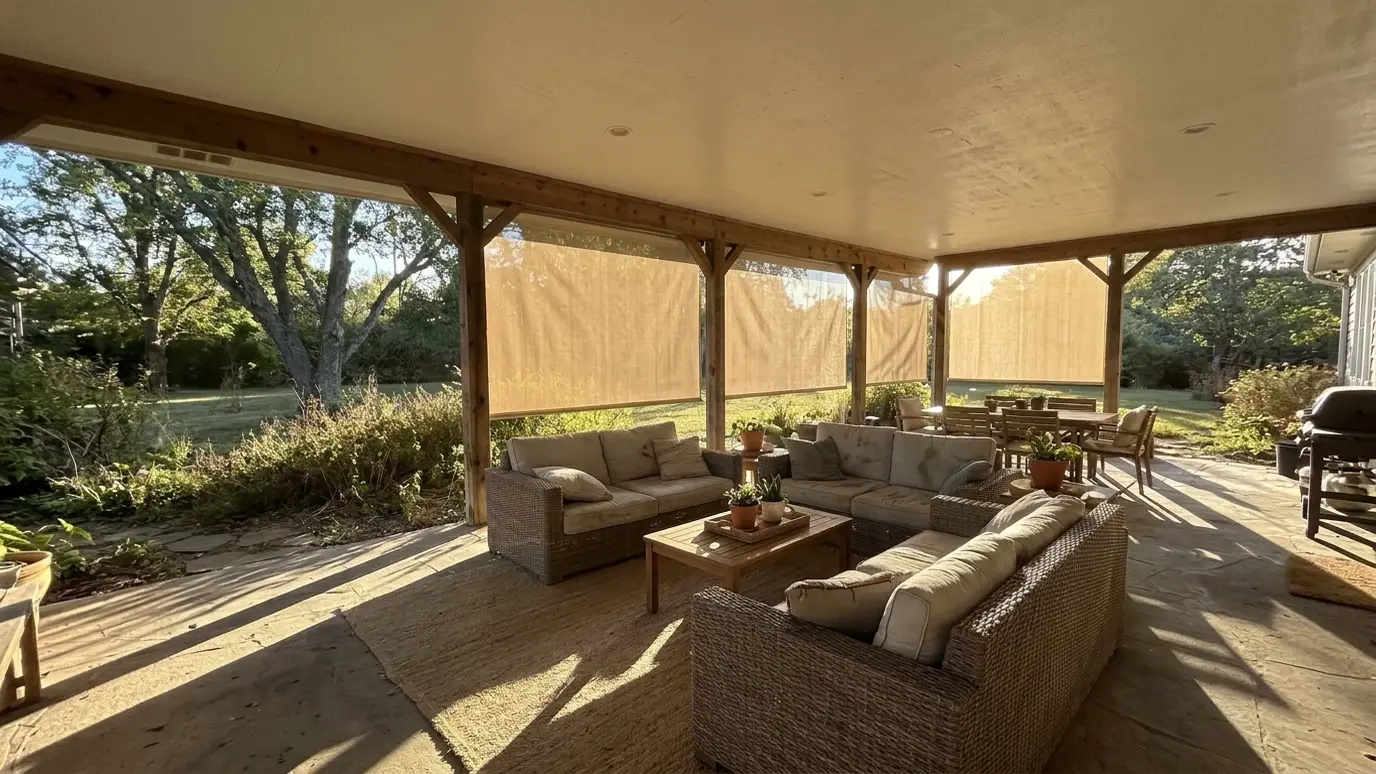
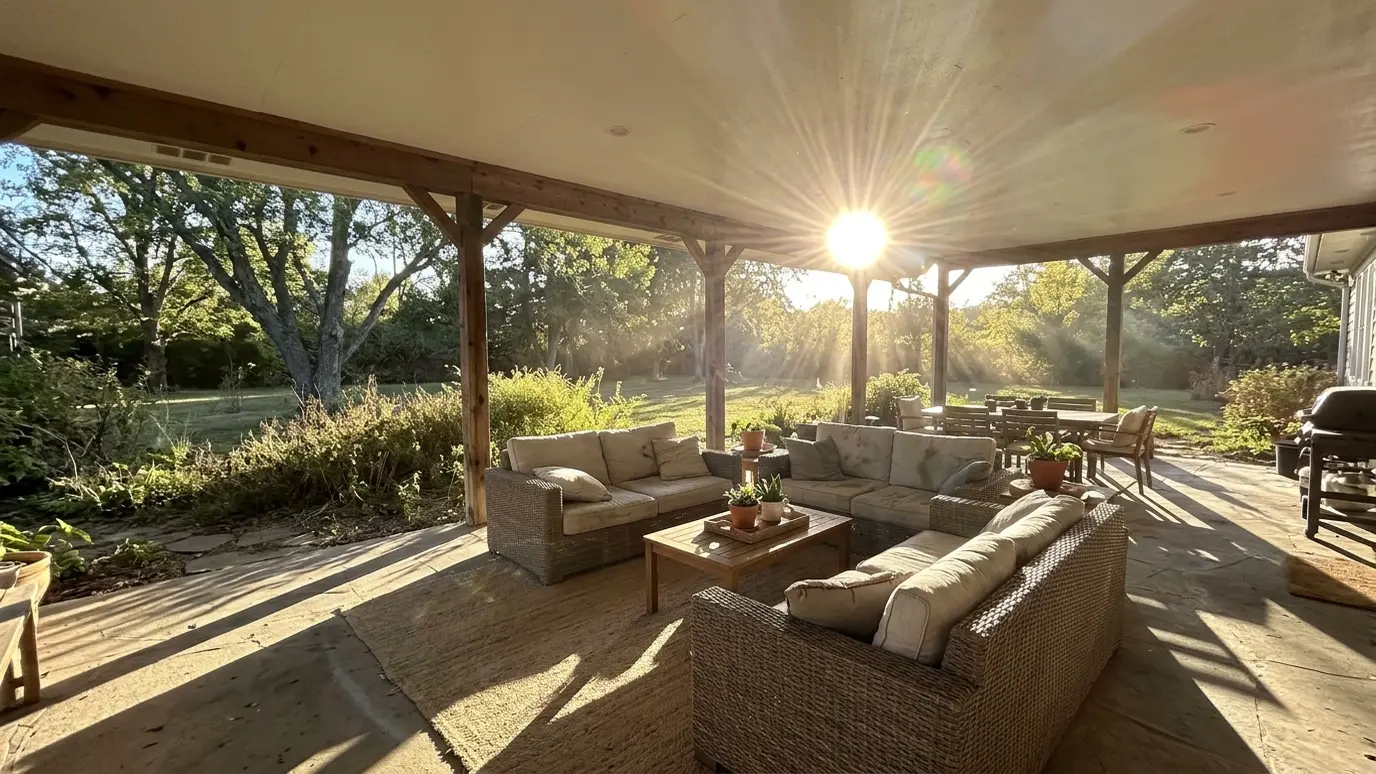 BeforeAfter
Comfort on west-facing patios.
Balance shade with view.
Dark weaves look clear.
Shade outside the glass.
Different fabric on different sides.
See it before you decide.
Every topic has its own page with what to expect and how we approach it.
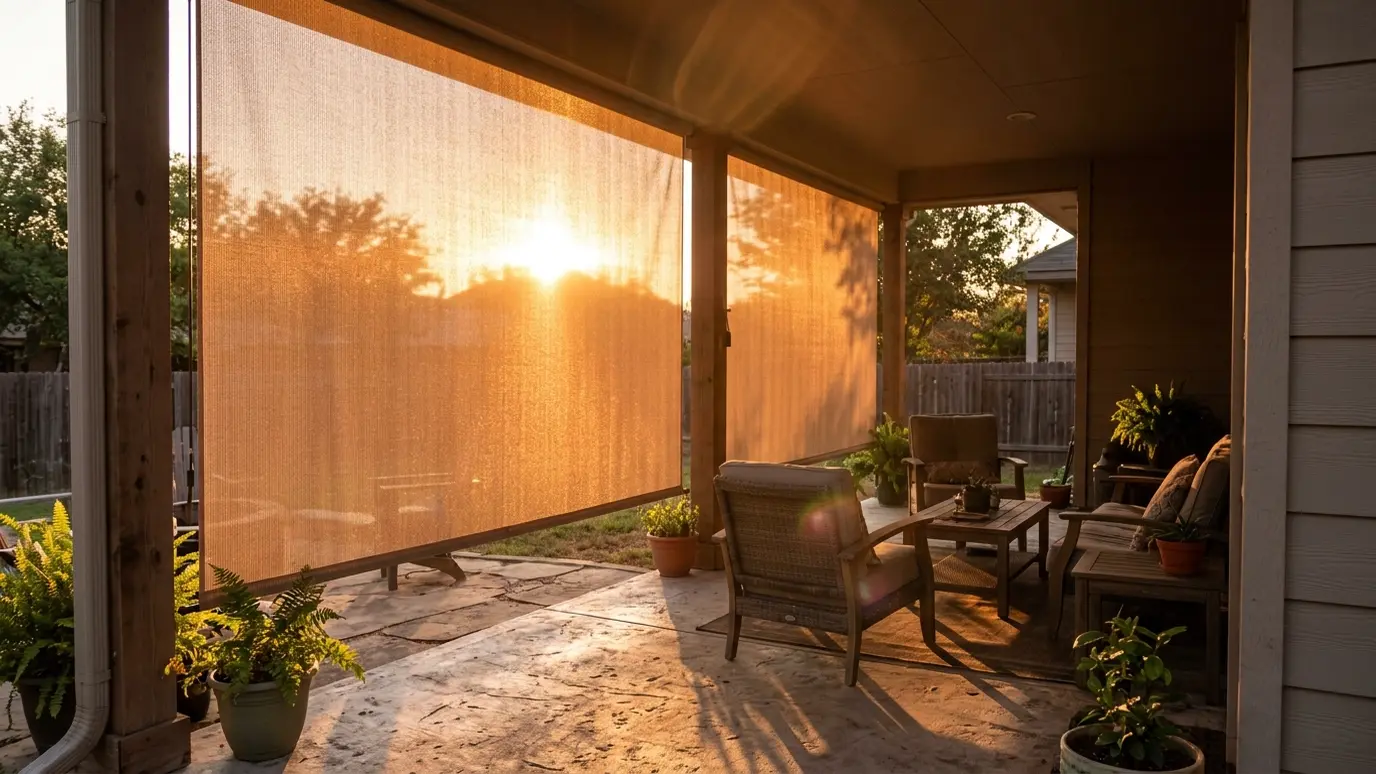 Project situationAfternoon SunA west-facing patio can be too hot to use just when the day is over. Here is how…Learn more
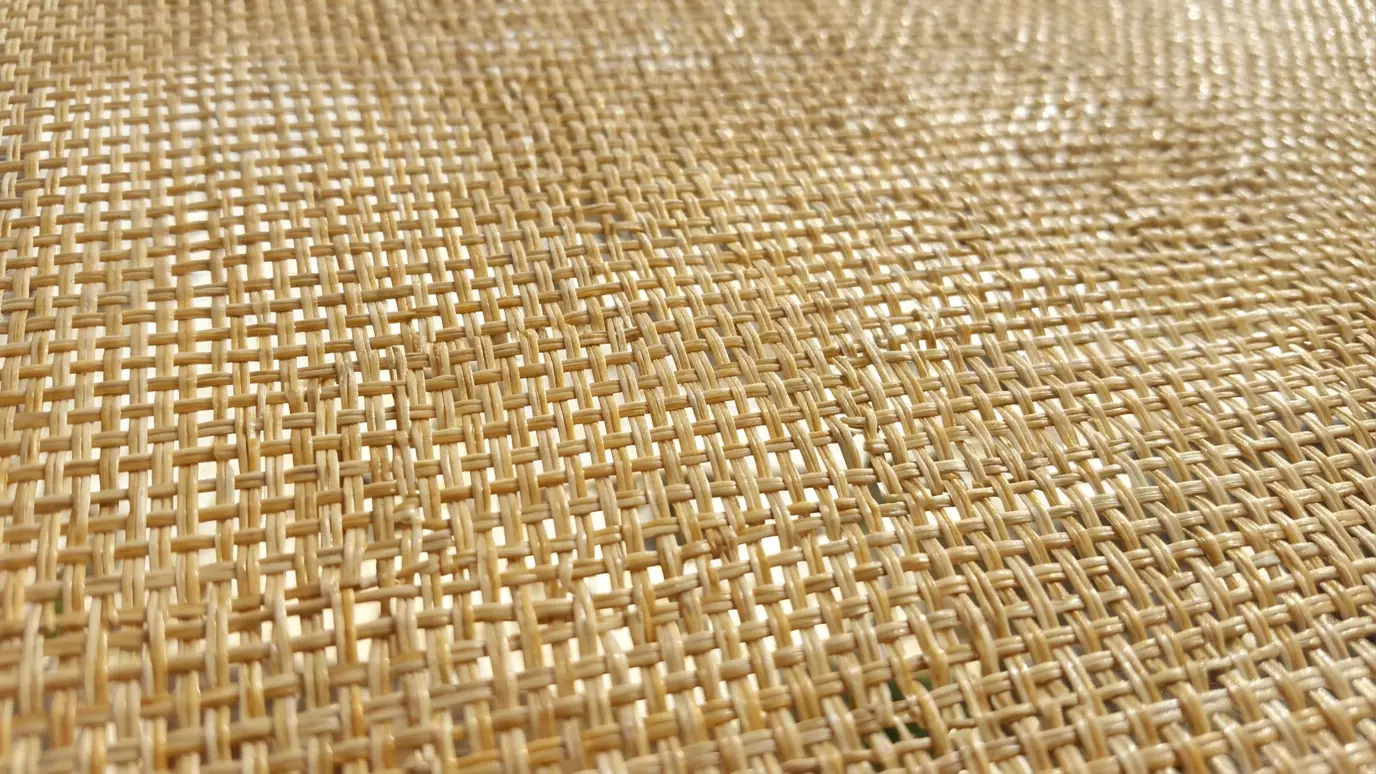 Material guideSolar WeaveSolar fabrics block sun and glare by design. Here is how openness, color and weave change the result.Learn more
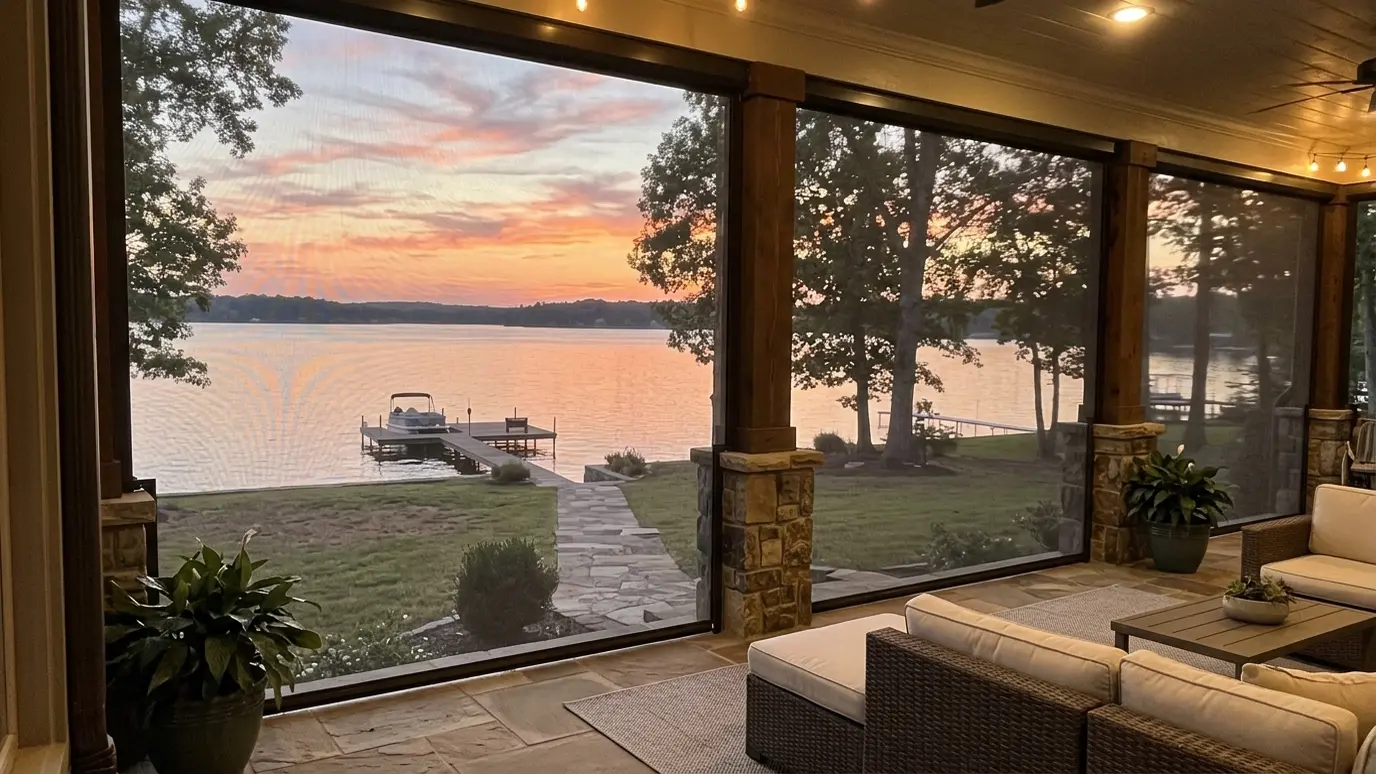 Project situationLakeside and Creekside LotsWater brings views, breezes and bugs. Here is how to screen a lake or creek patio and keep…Learn more
Pick the direction your patio faces and the time of day to see how strong the sun is and which fabric helps.
You tell us about the patio, the bugs or sun that bother you and the timeline, and we set a visit that fits your day.
We walk the patio, feel the sun, check the beams and columns, show fabric samples and talk through the layout.
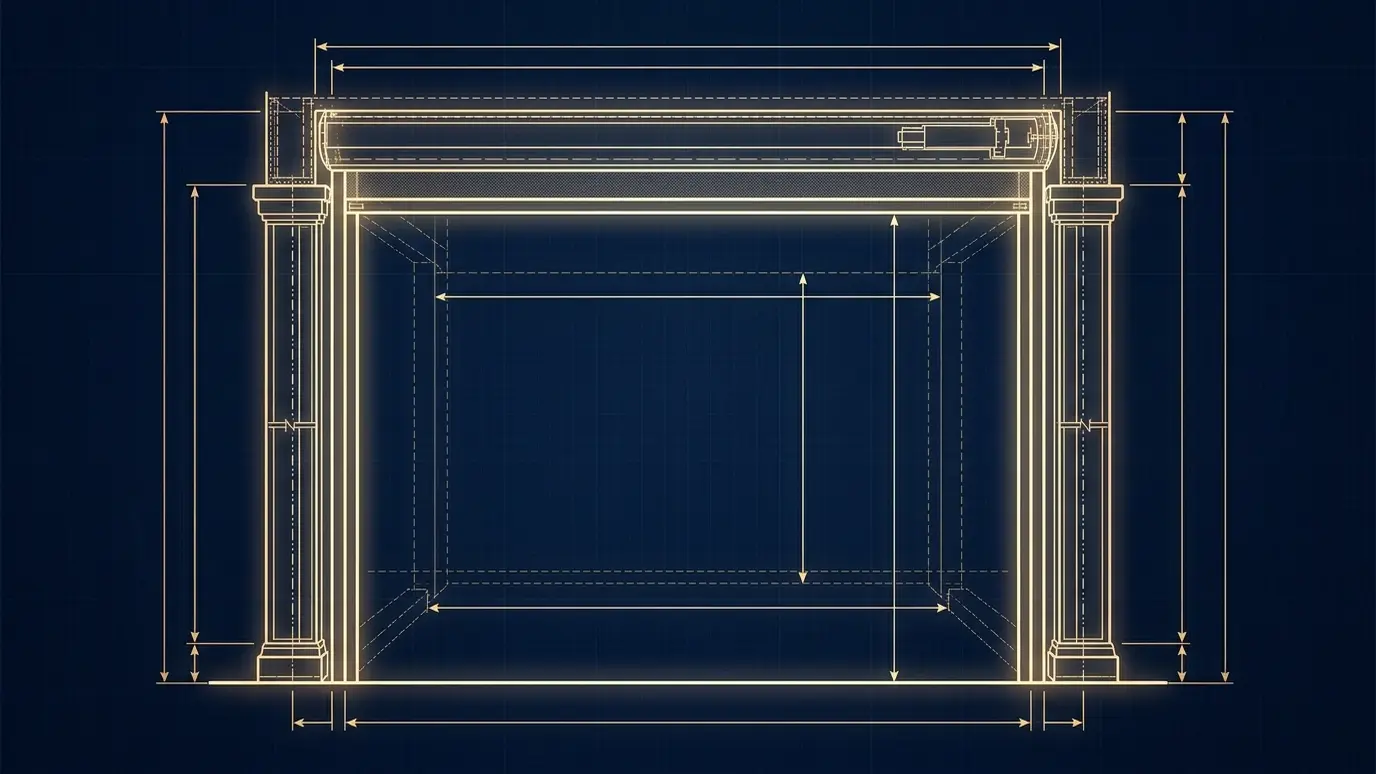
We measure every opening carefully, write a proposal and coordinate any association approvals or electrical permits.
Your screens are made to size, then housings, tracks and motors are mounted and wired.
We set limits, pair remotes and keypads, check the seals and test every screen through full cycles.
We show you every control, share care tips and leave you to enjoy your first evening outside.
It depends on the fabric. Tighter weaves block more. We explain options for your patio.
Yes. Darker, more open fabrics keep the view.
Choose a higher openness for more light. We help you balance it.
Yes. A sun sensor can lower the screen when the sun is strong.
Yes. Many patios use both on different sides.
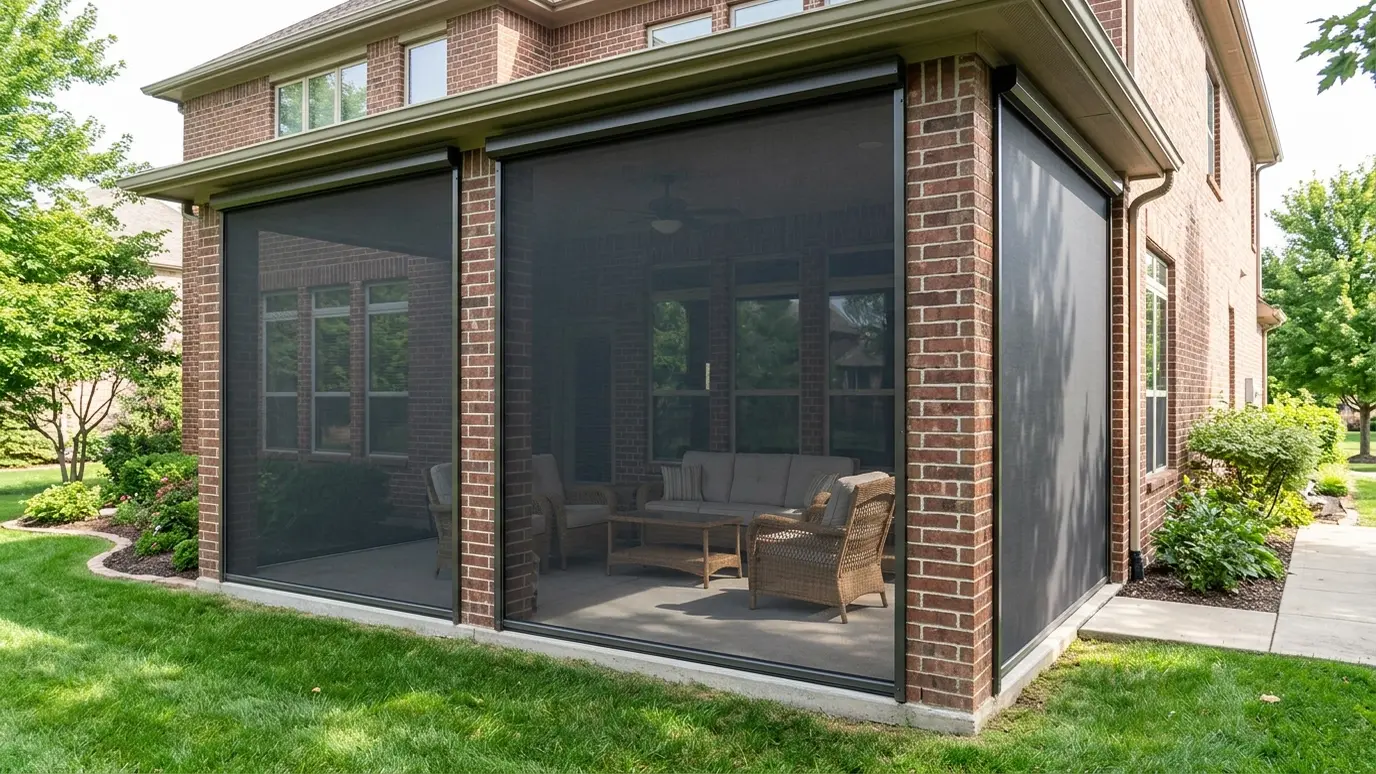 Covered Patio ScreensRetractable screens between the columns of a covered patio, turning an open porch-style space into a calm, bug-free…Explore
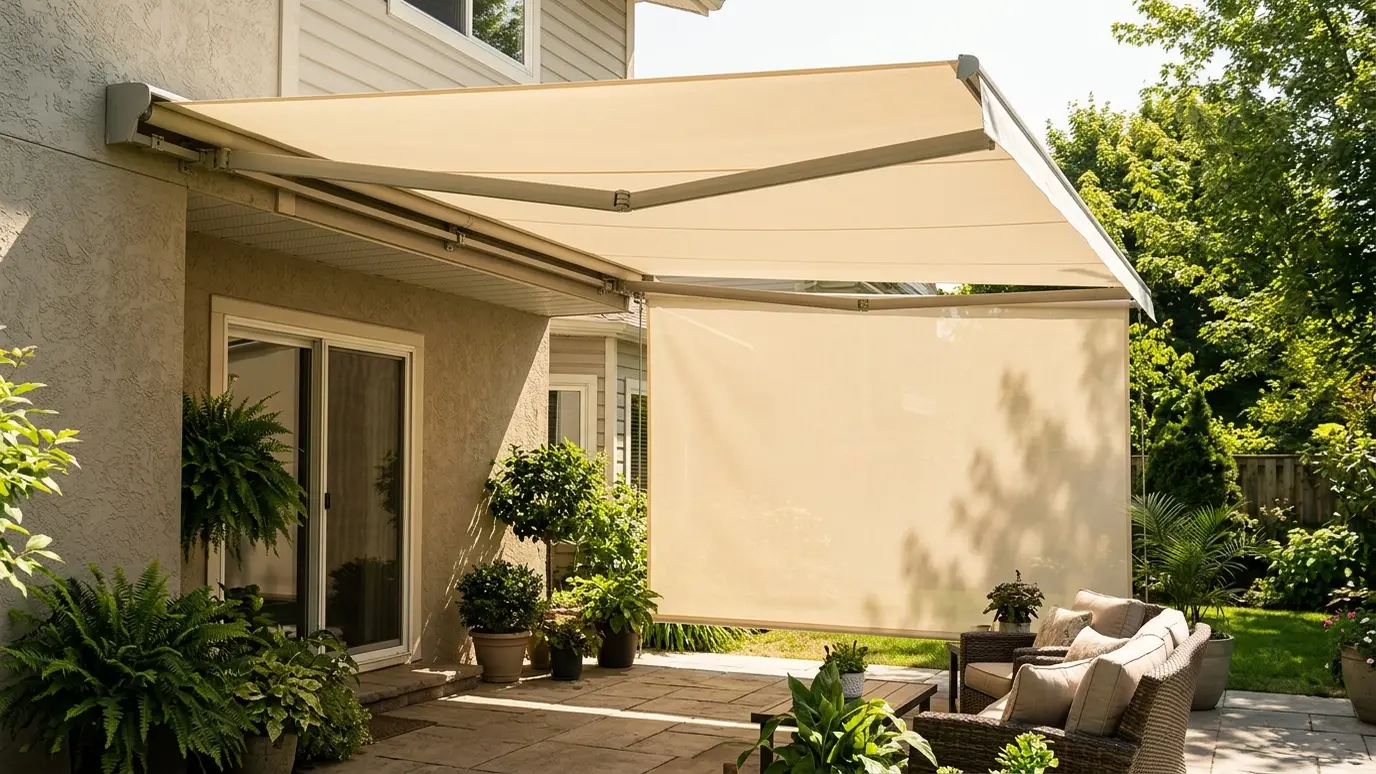 Motorized Shades and AwningsRetractable shades and awnings for the sun overhead, a partner to side screens when the sky is the…Explore
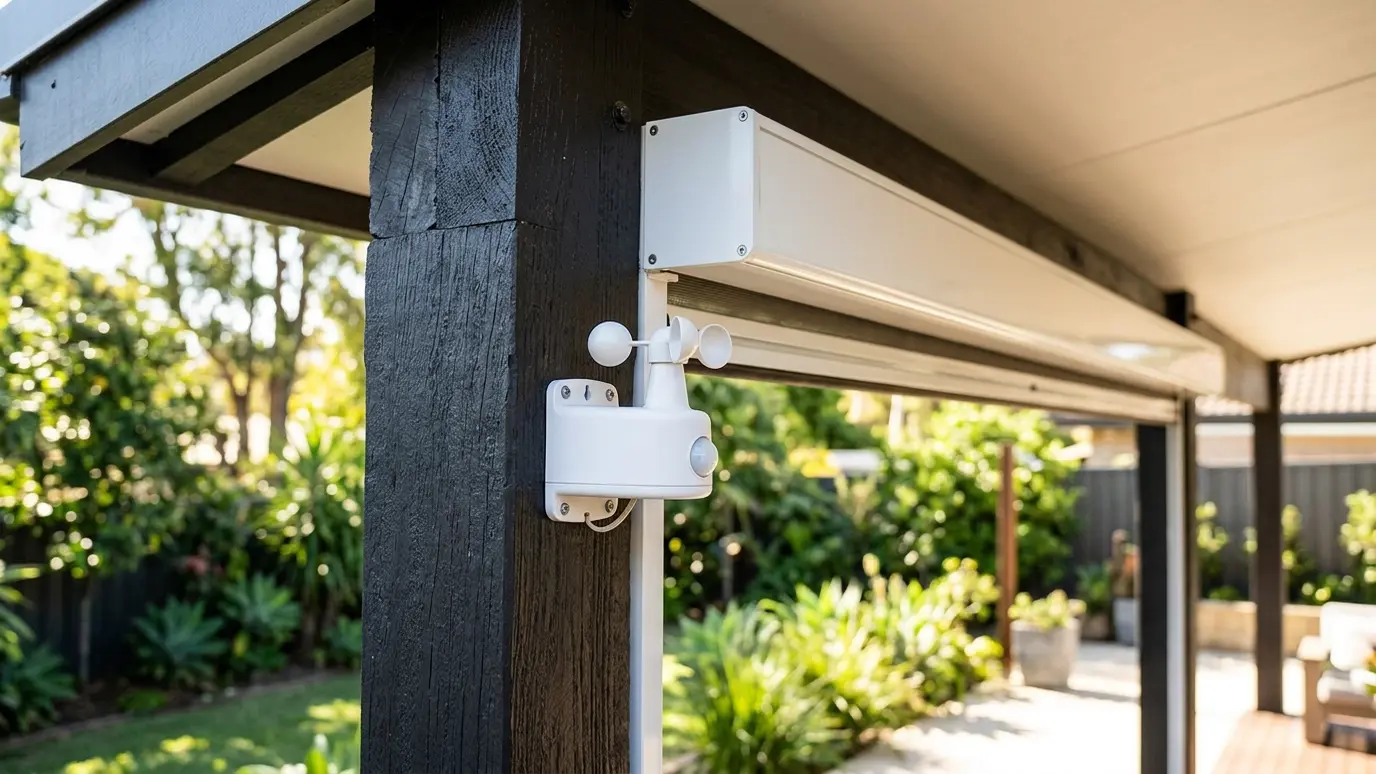 Wind and Sun SensorsSensors that raise your screens when the wind picks up and lower them when the sun gets strong…Explore
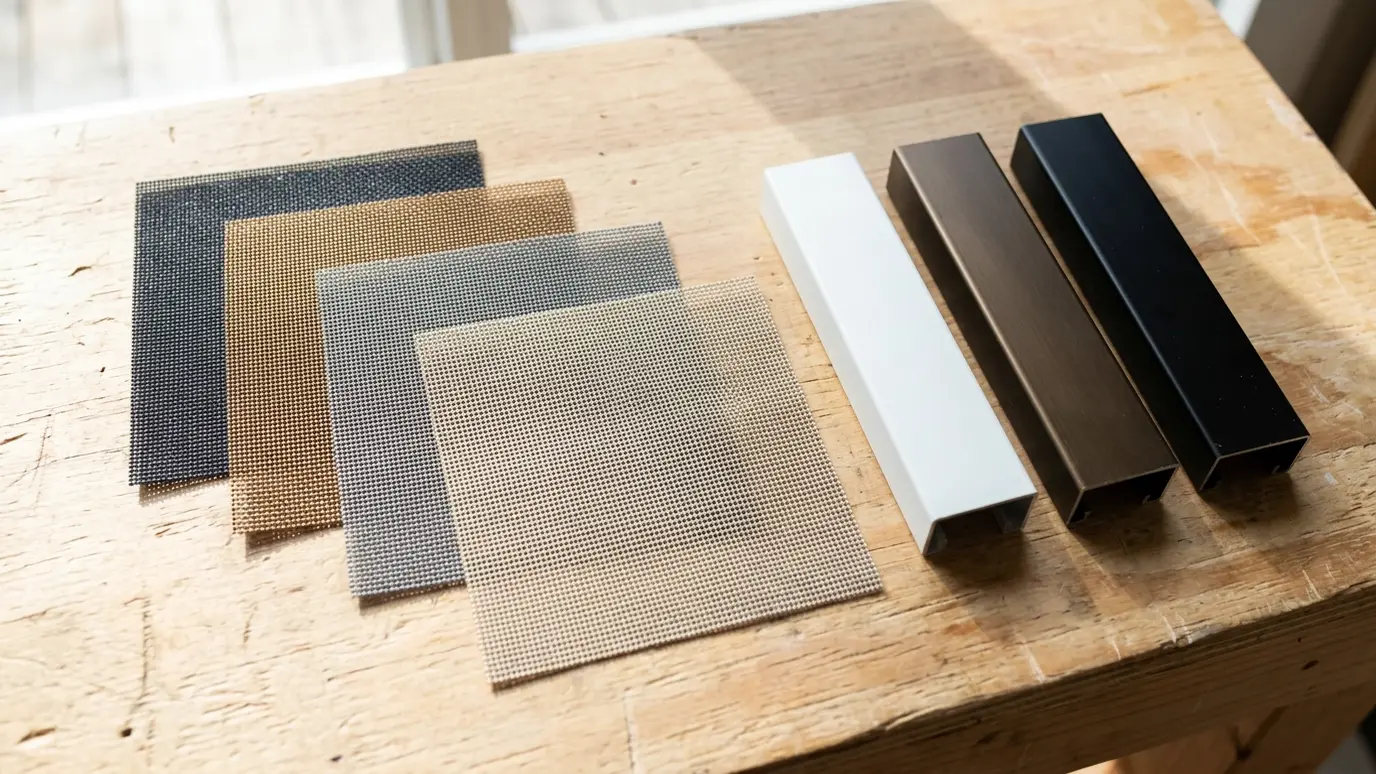 Screen Colors and FinishesThe color of the fabric, housing and tracks, chosen so the screens look like part of the house…Explore
Tell us about the project and we will call you back to talk it through.
Or call (615) 357-7797 to talk now.