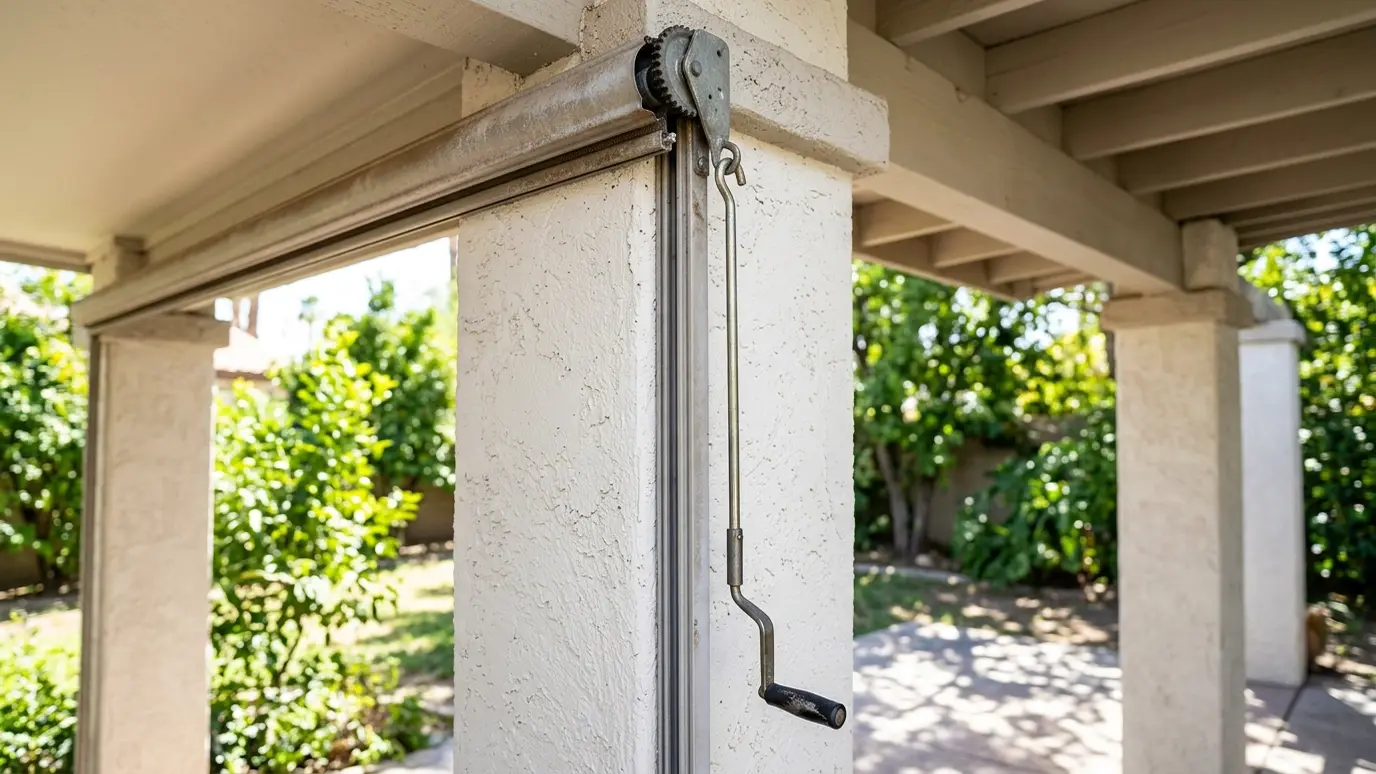
A hand crank or backup option so your screens can still go up or down during a power outage.
Storms knock out power, and a screen stuck in the down position is a worry when winds rise. A manual backup lets you raise the screen by hand when the motor cannot. Some systems include a crank access point, and others offer a battery backup.
We explain the options and install the one that fits. We also show you exactly how to use it, where the crank lives and how much effort to expect, so that in a real outage you are never guessing. Manual-only screens are also an option for people who prefer simple hardware and do not need a motor. We also think about the person who will use the crank. A tall screen takes more turns than a short one, and a gear-assisted crank takes less effort than a direct one. We choose the mechanism with the real user in mind, and we mount the crank point at a comfortable height so that raising the screen in a storm is quick and safe.
Some motors accept a crank handle through a small access point. Turning the handle raises or lowers the screen without power.
A small backup battery can run the motor through an outage. It is a convenient option for owners who want push-button use at all times.
Some owners prefer a simple crank screen with no motor. It is a practical choice for small openings and low-use areas.
We have you try the crank before we leave. That ten-minute practice prevents confusion in a storm.
Drag the handle to compare.
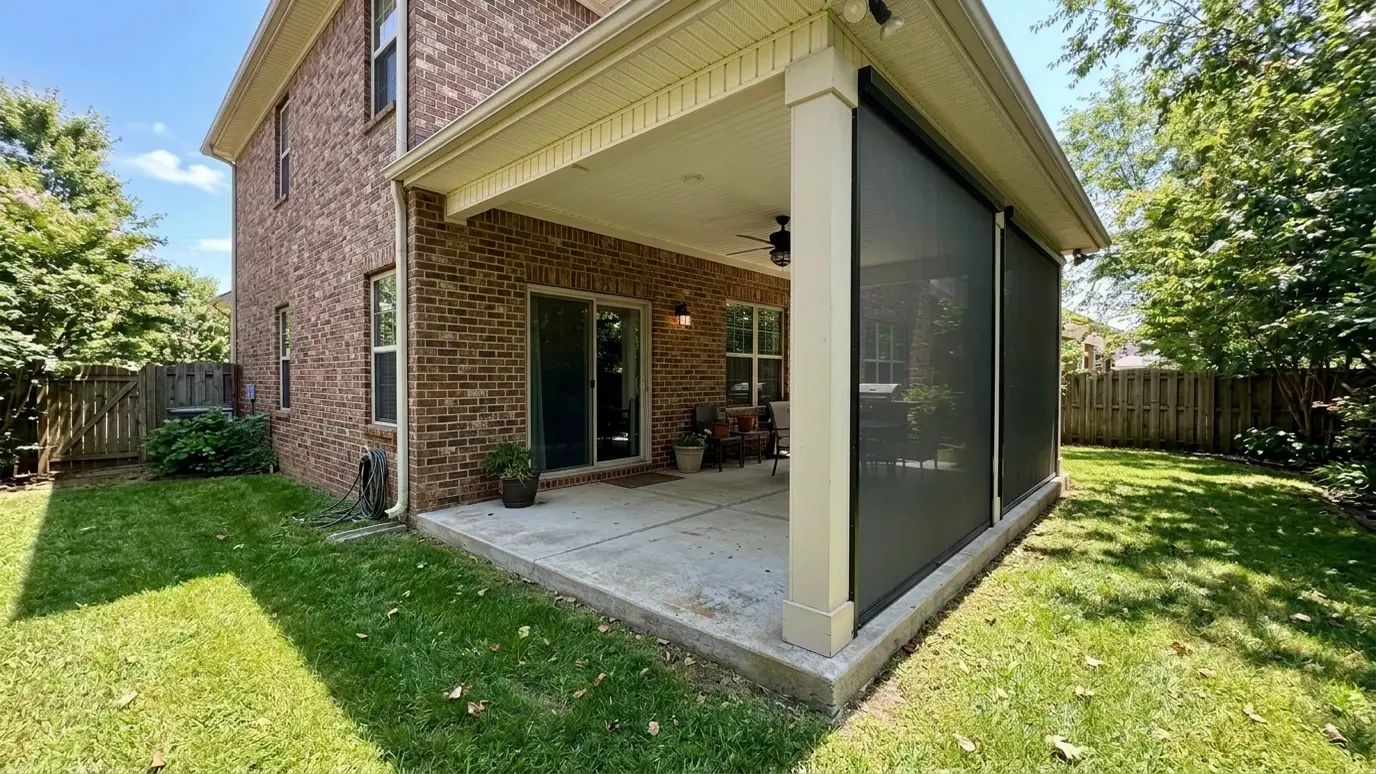
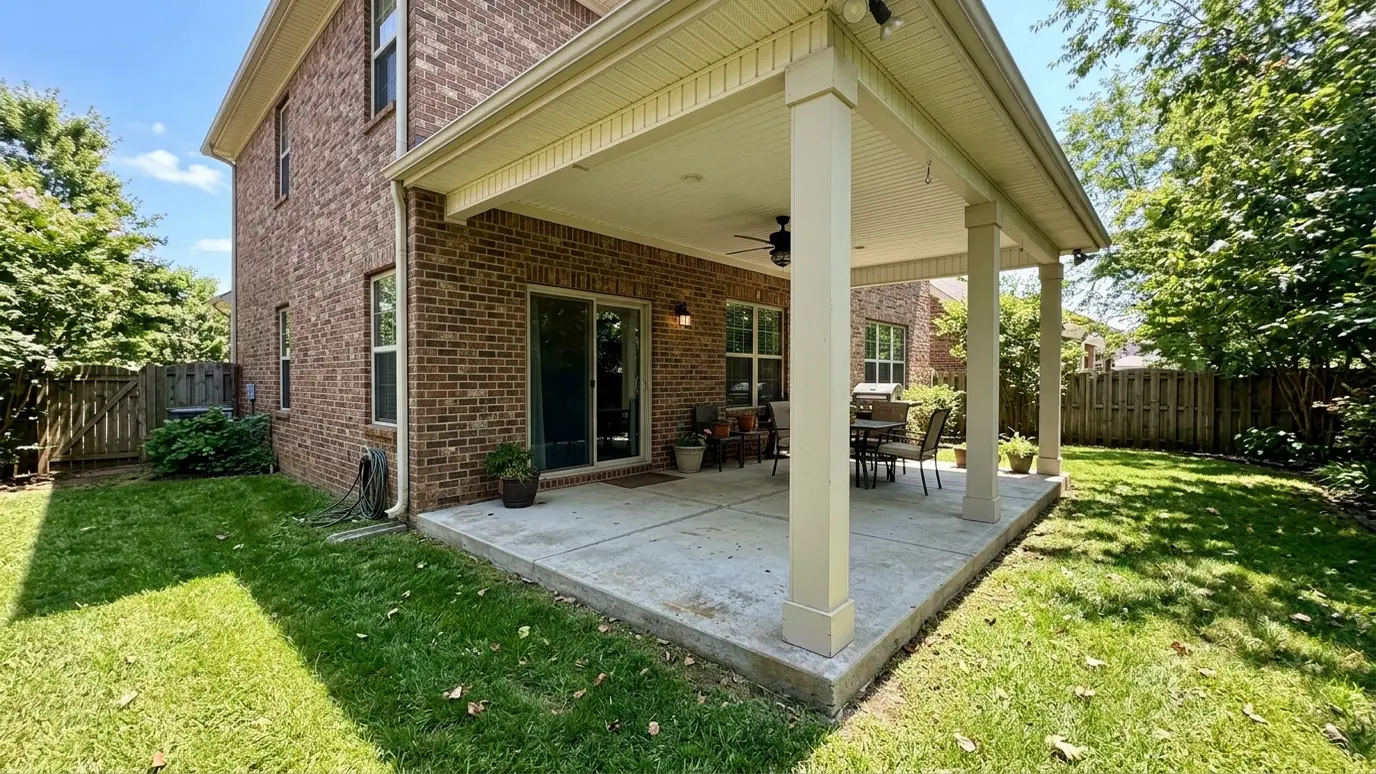 BeforeAfter
Raise screens without power.
Motor runs through outages.
Simple hardware for small spaces.
Know how to raise the screen.
Try it before we leave.
Easy to find.
Every topic has its own page with what to expect and how we approach it.
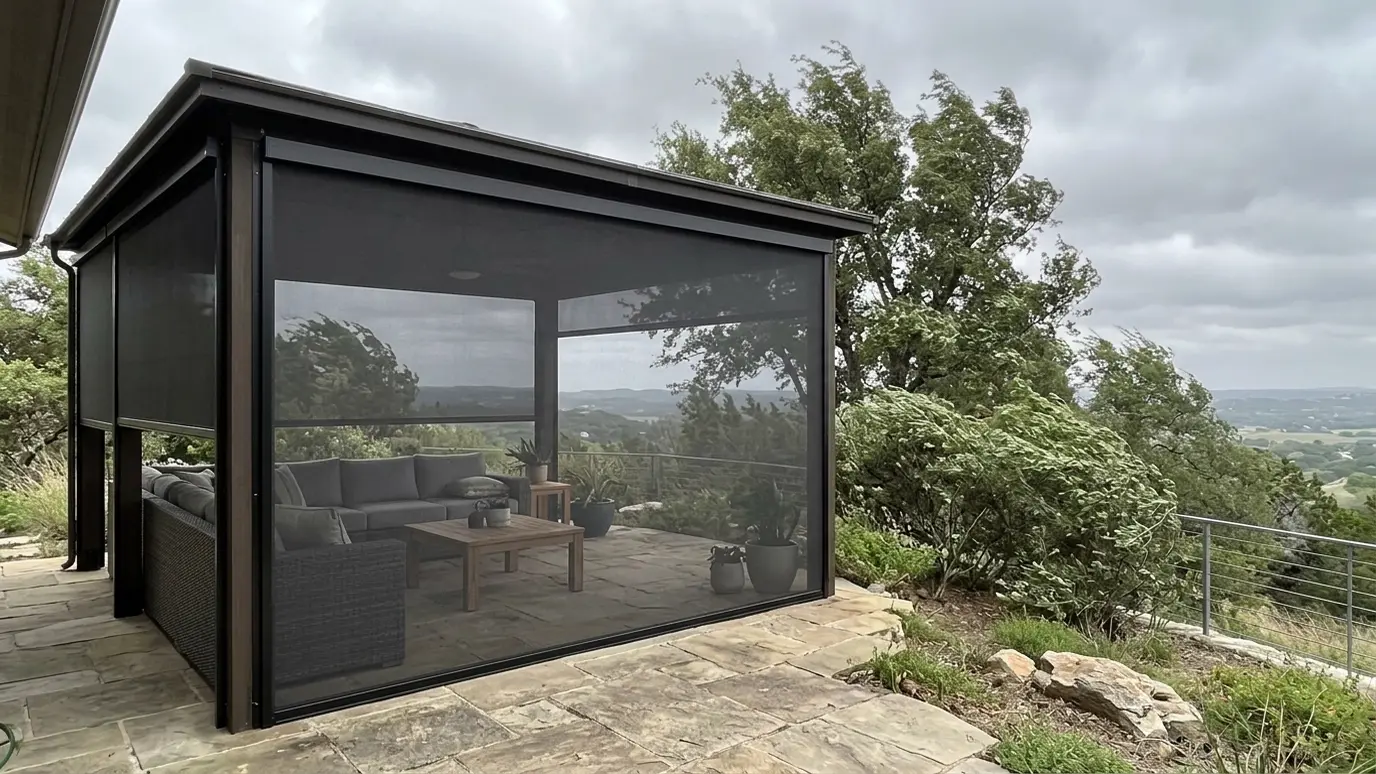 Project situationWindy LotsHilltops, open fields and wide-open subdivisions get real wind. Here is how to choose and use screens when…Learn more
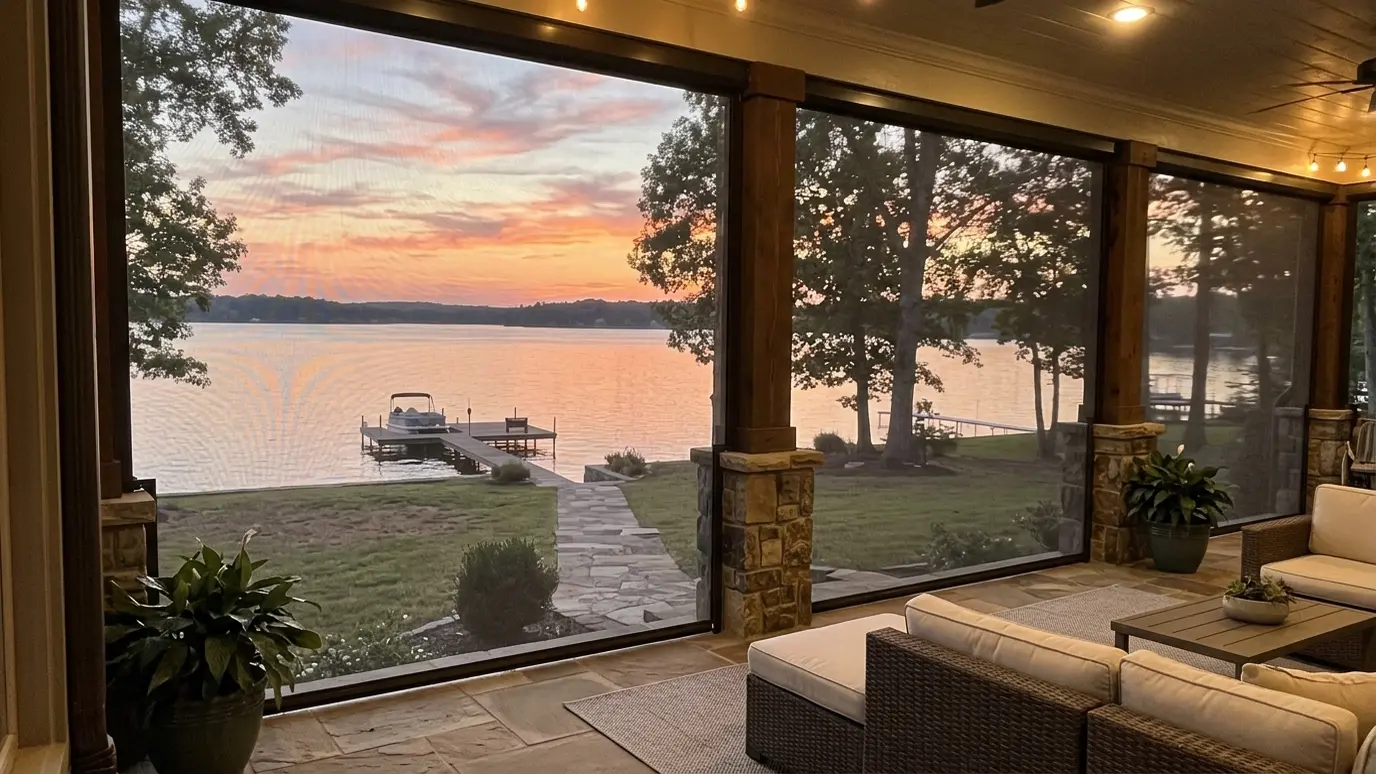 Project situationLakeside and Creekside LotsWater brings views, breezes and bugs. Here is how to screen a lake or creek patio and keep…Learn more
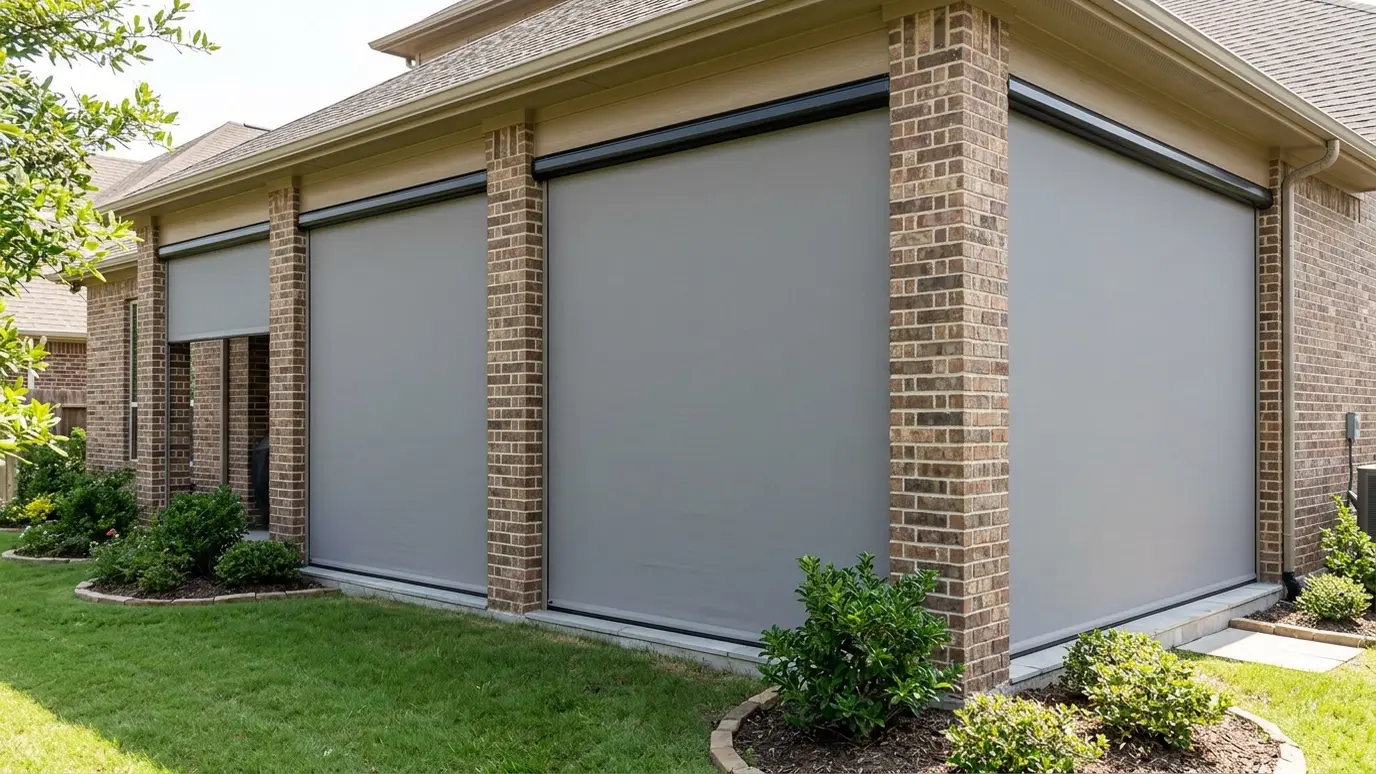 Project situationHOA NeighborhoodsNeighborhood rules shape what you can add. Here is how to choose screens that look right and win…Learn more
Pick your exposure, opening width and track type to see wind guidance and when to raise the screen.
You tell us about the patio, the bugs or sun that bother you and the timeline, and we set a visit that fits your day.
We walk the patio, feel the sun, check the beams and columns, show fabric samples and talk through the layout.
We measure every opening carefully, write a proposal and coordinate any association approvals or electrical permits.
Your screens are made to size, then housings, tracks and motors are mounted and wired.
We set limits, pair remotes and keypads, check the seals and test every screen through full cycles.
We show you every control, share care tips and leave you to enjoy your first evening outside.
Most can, with the right motor or access point. We confirm.
It takes some effort on large screens. We show you the technique.
Often, because there is no motor. We explain the tradeoffs.
Near the screen in a labeled spot.
No. It simply stays where it is until you move it.
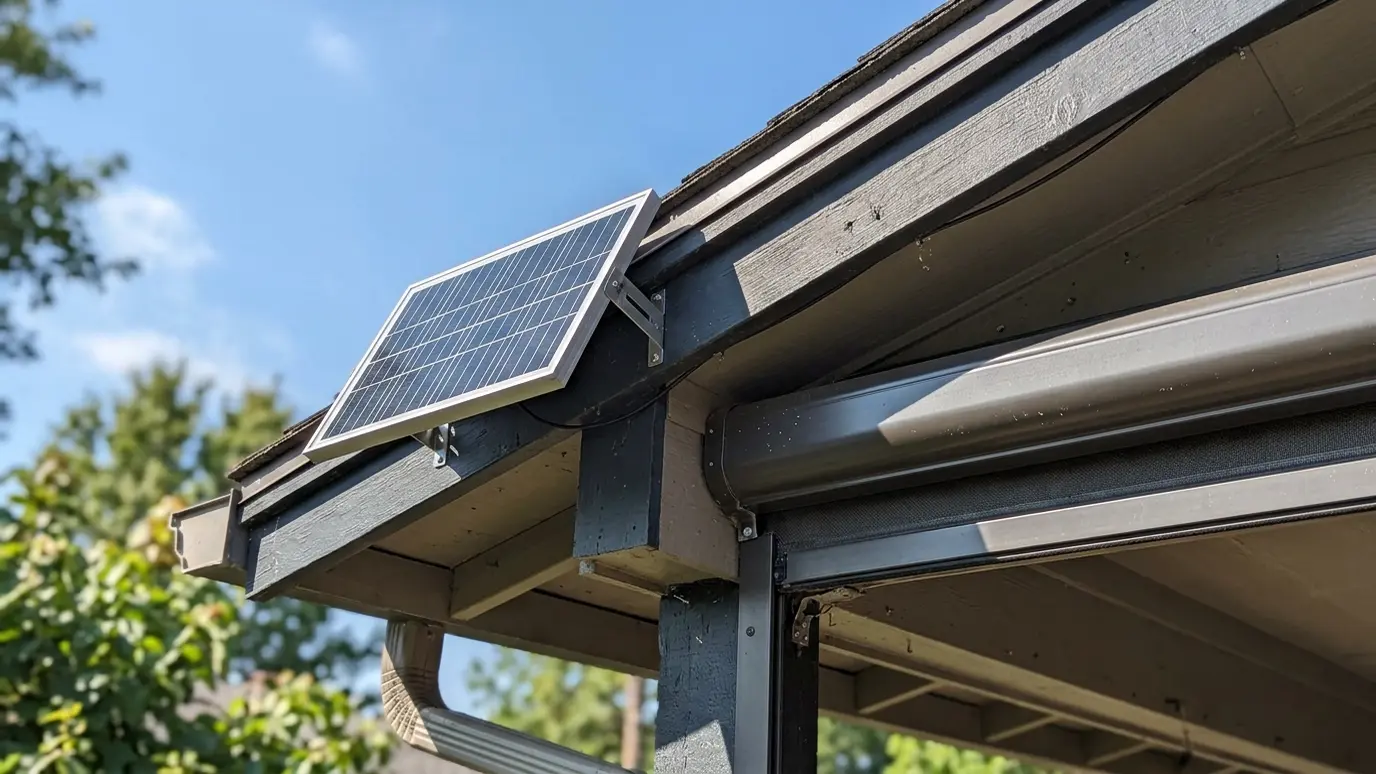 Solar and Battery ScreensScreens that run on a rechargeable battery and a small solar panel, ideal where running electrical wire is…Explore
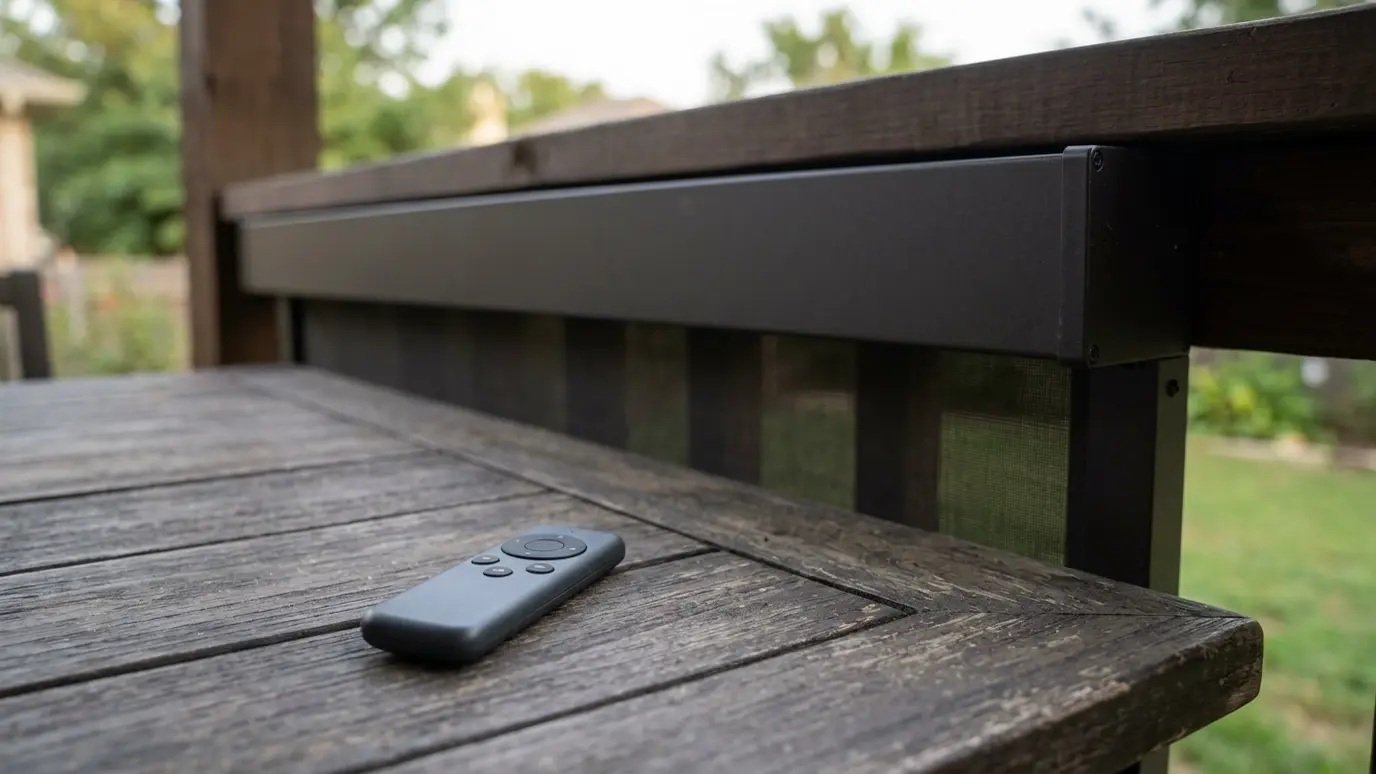 Motor and Remote InstallationQuiet tubular motors and handheld remotes, set up with precise stops so every screen parks exactly where it…Explore
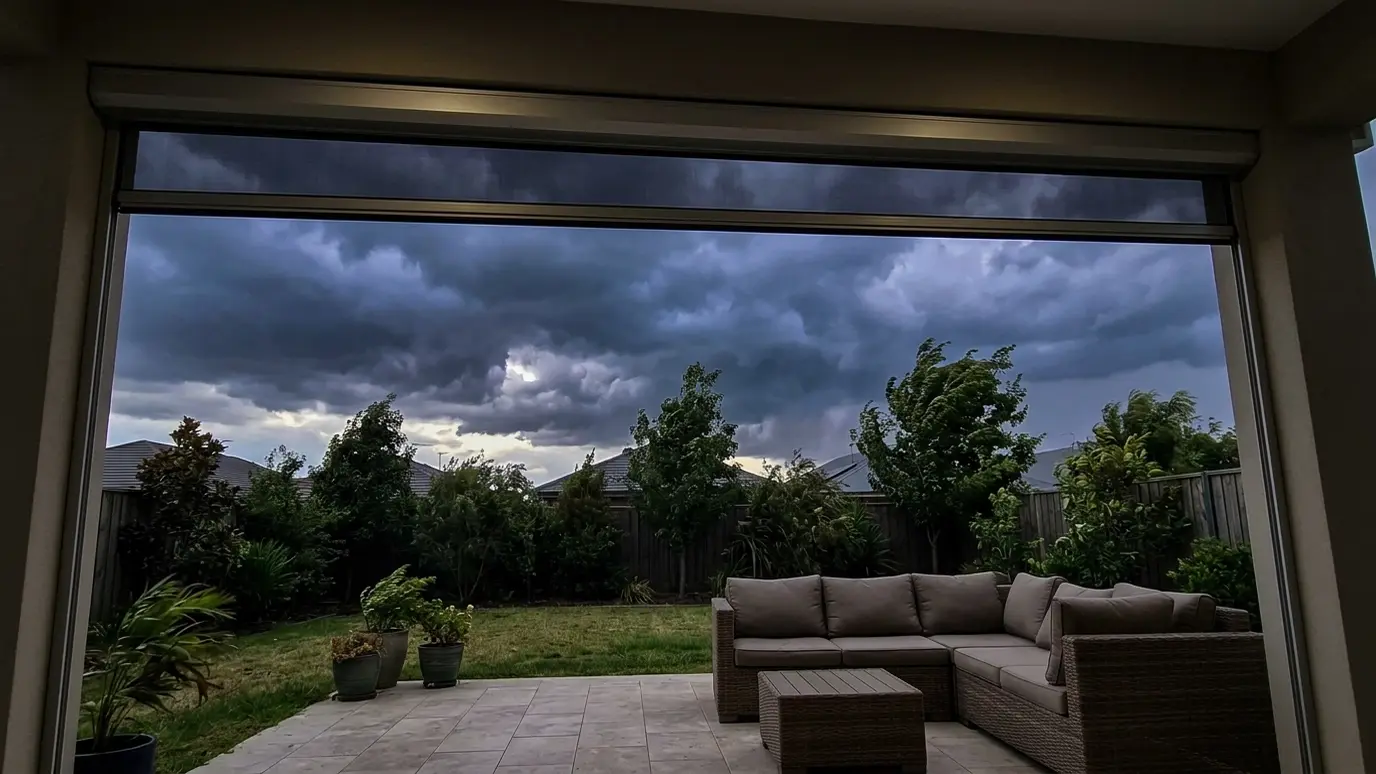 Storm Preparation and RepairSimple habits and sensors that protect screens before a storm, and quick, careful repair when weather does its…Explore
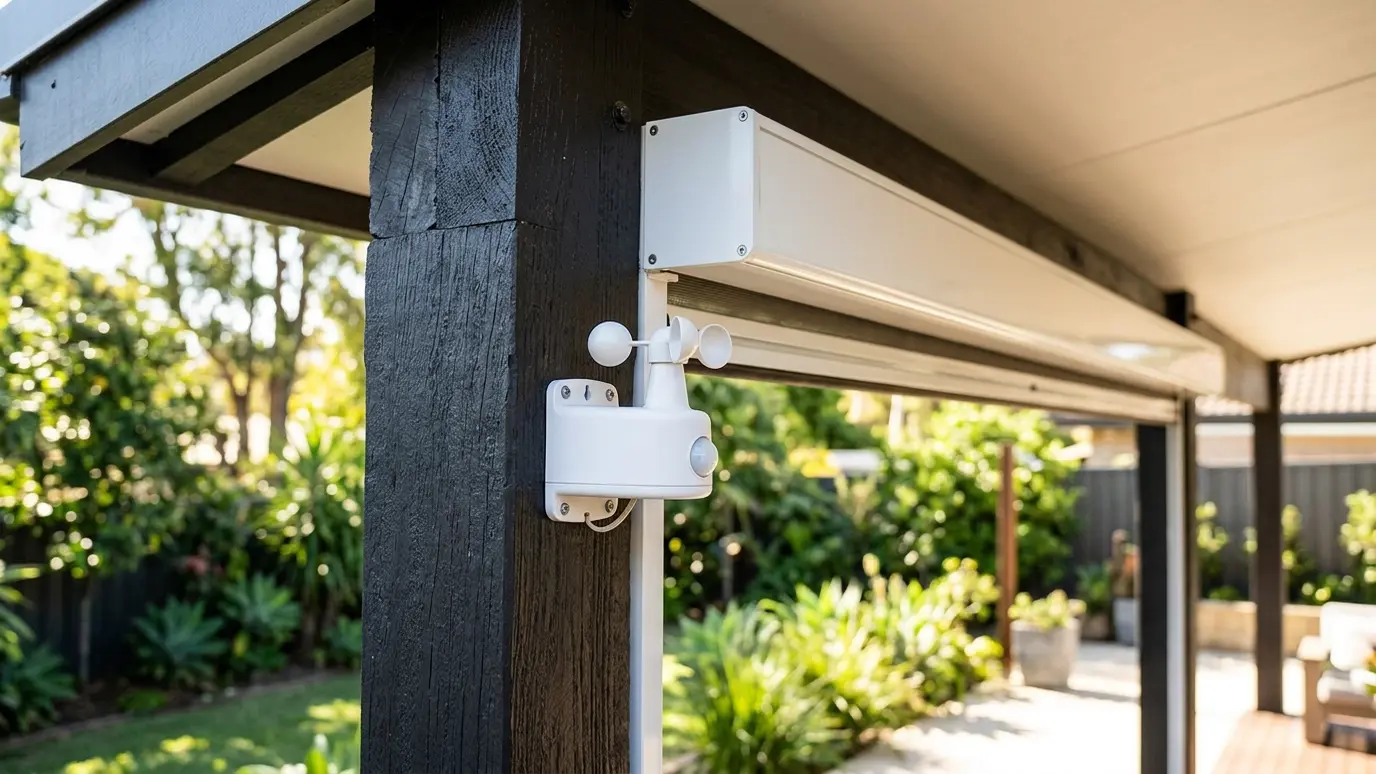 Wind and Sun SensorsSensors that raise your screens when the wind picks up and lower them when the sun gets strong…Explore
Tell us about the project and we will call you back to talk it through.
Or call (615) 357-7797 to talk now.