Screens that give a pergola, pavilion or gazebo the walls it lacks, with fabric that rolls away when the frame should stand open.
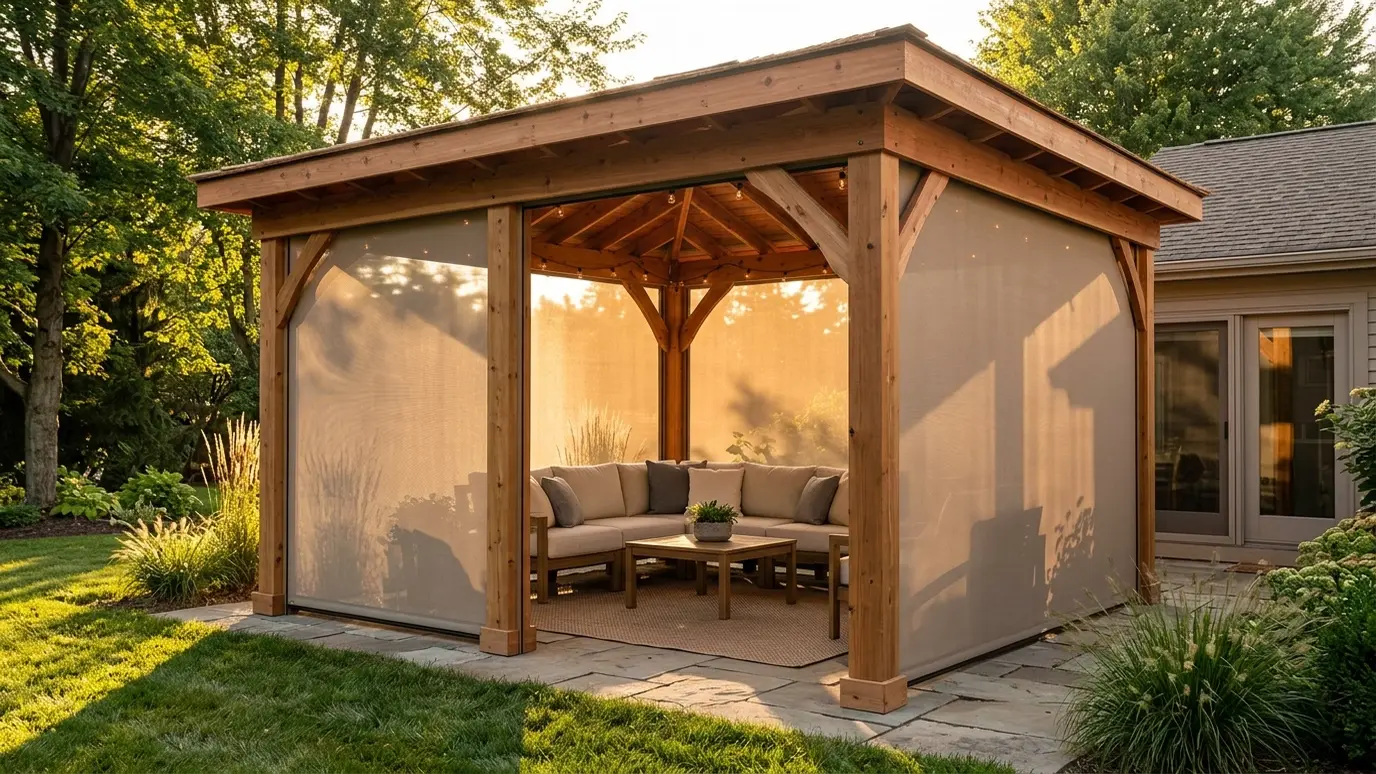
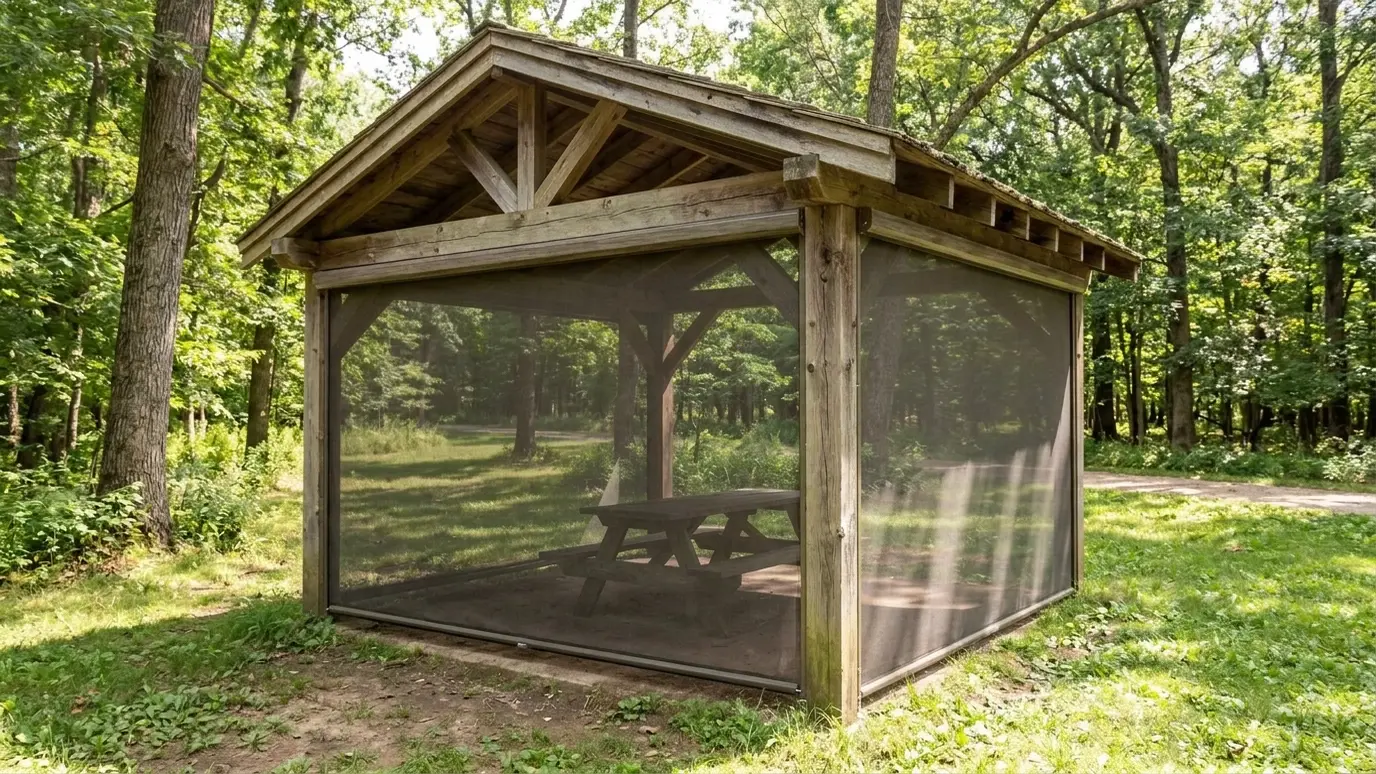
A pergola or pavilion is lovely, and it is also open to everything. Screens on the sides turn the frame into a room that can be closed when bugs, sun or wind arrive and opened again when they leave. The structure stays light and airy most of the time.
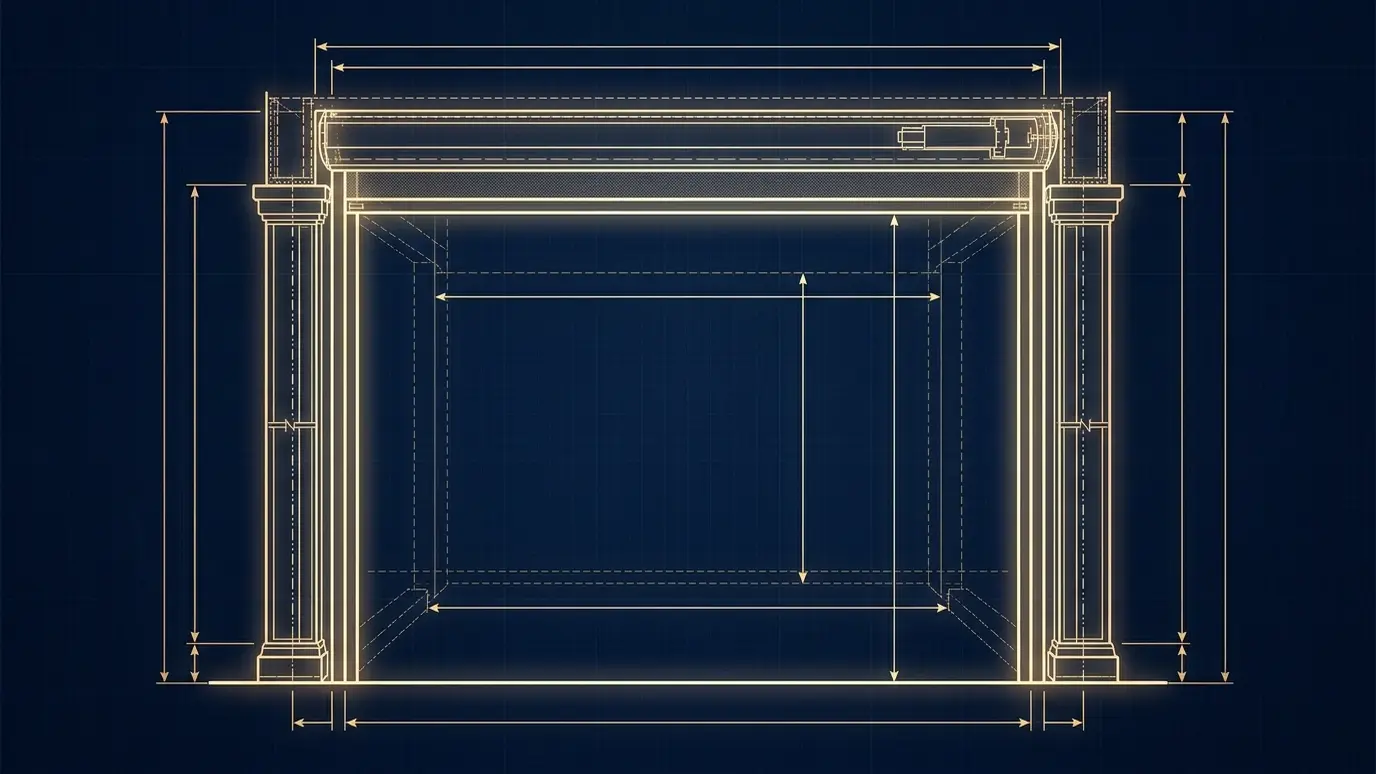
We study the frame first. Posts, beams and rafters decide where housings can mount and whether the structure can carry the extra load. Then we plan one or more screens, set the colors to match, and fit the housings and tracks so they look like part of the design. For taller or wider openings, we add reinforcement where needed.
Wood and metal frames have different strengths. We confirm that posts and beams can hold housings, and we reinforce them if they cannot.
Housings can mount to a beam face, under a beam or in a recessed pocket, depending on the pergola design and the look you want.
Freestanding structures catch more wind than attached ones. Zip-track screens and shorter spans are options we discuss.
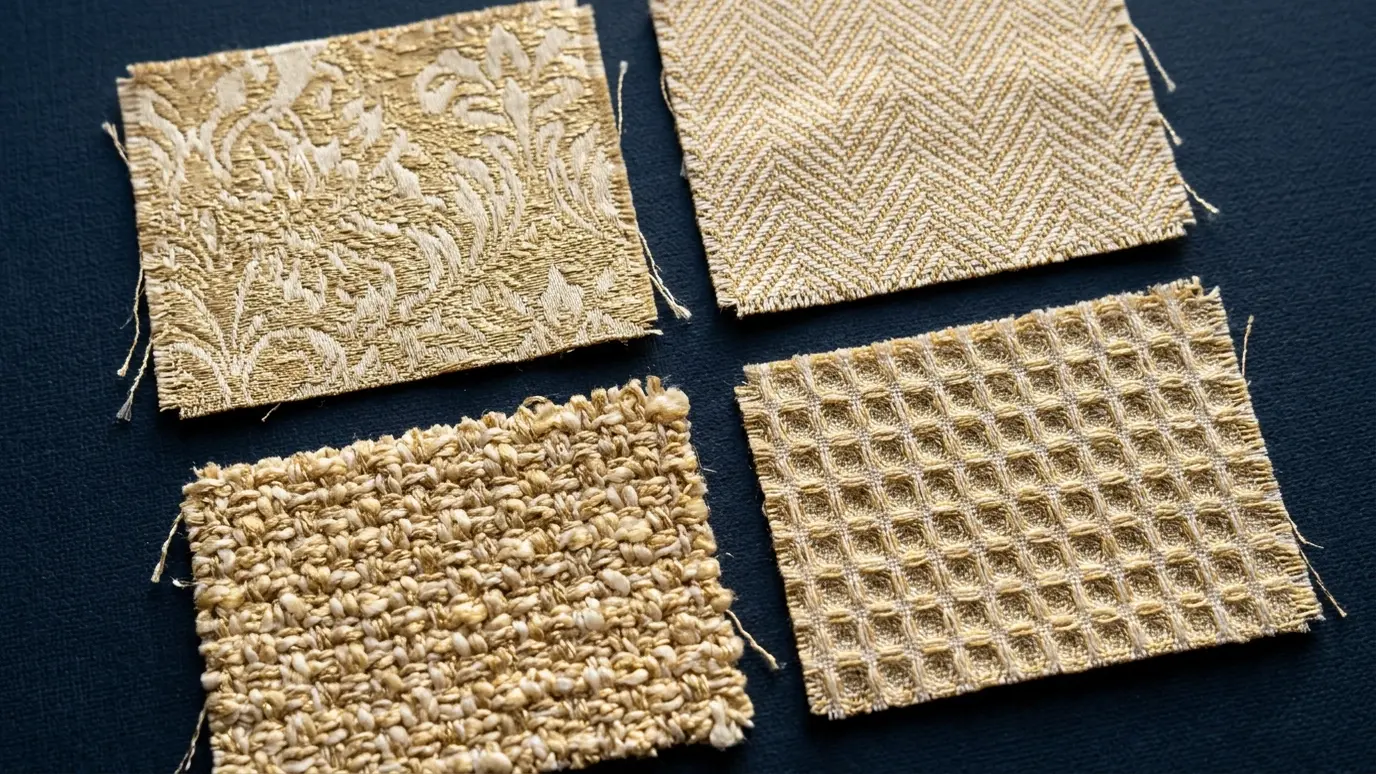
A cedar pergola may suit a bronze housing. A modern aluminum pergola may suit a black one. We pick finishes to match.
Drag the handle to compare.
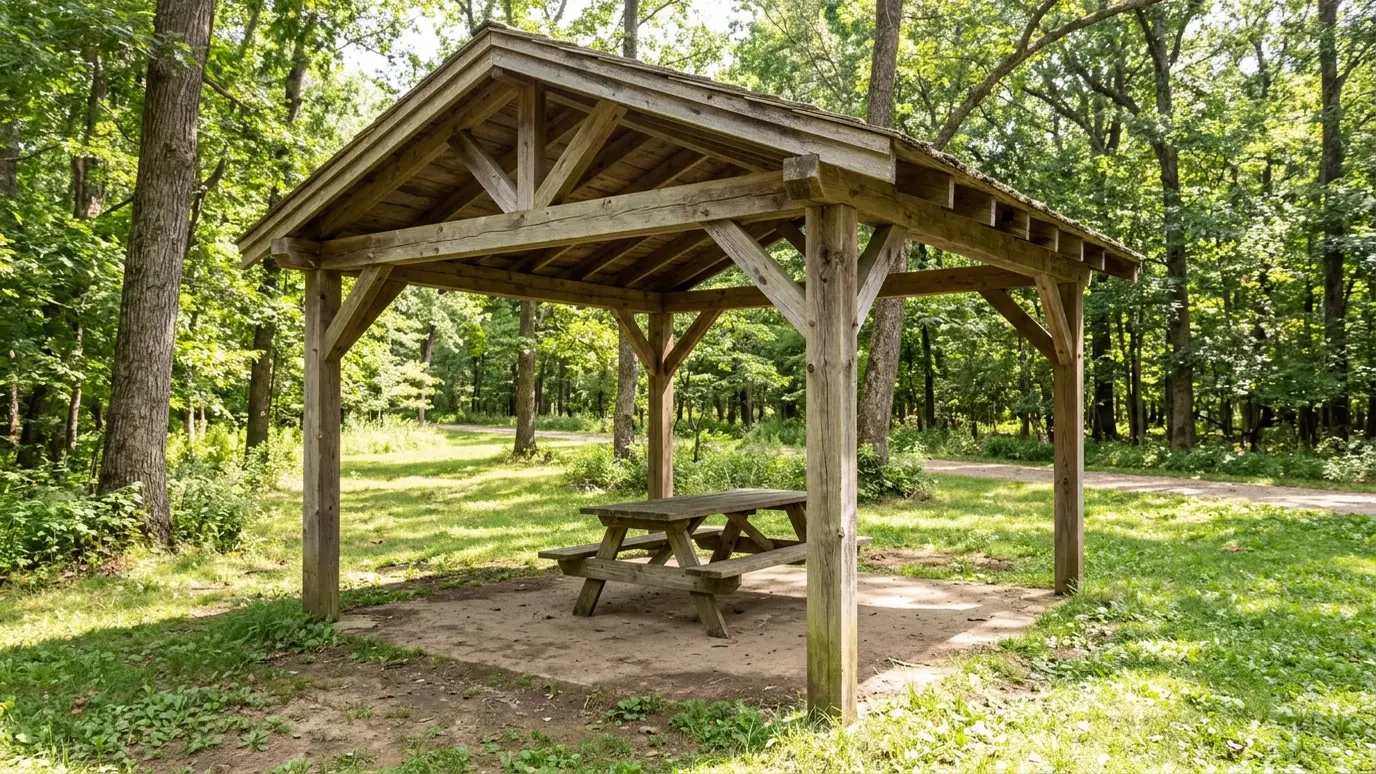 BeforeAfter
Posts and beams confirmed.
Close it in, open it up.
Color chosen to suit the frame.
Tracks and spans suited to exposure.
Safe, solid mounting.
Hardware tucked into the structure.
Every topic has its own page with what to expect and how we approach it.
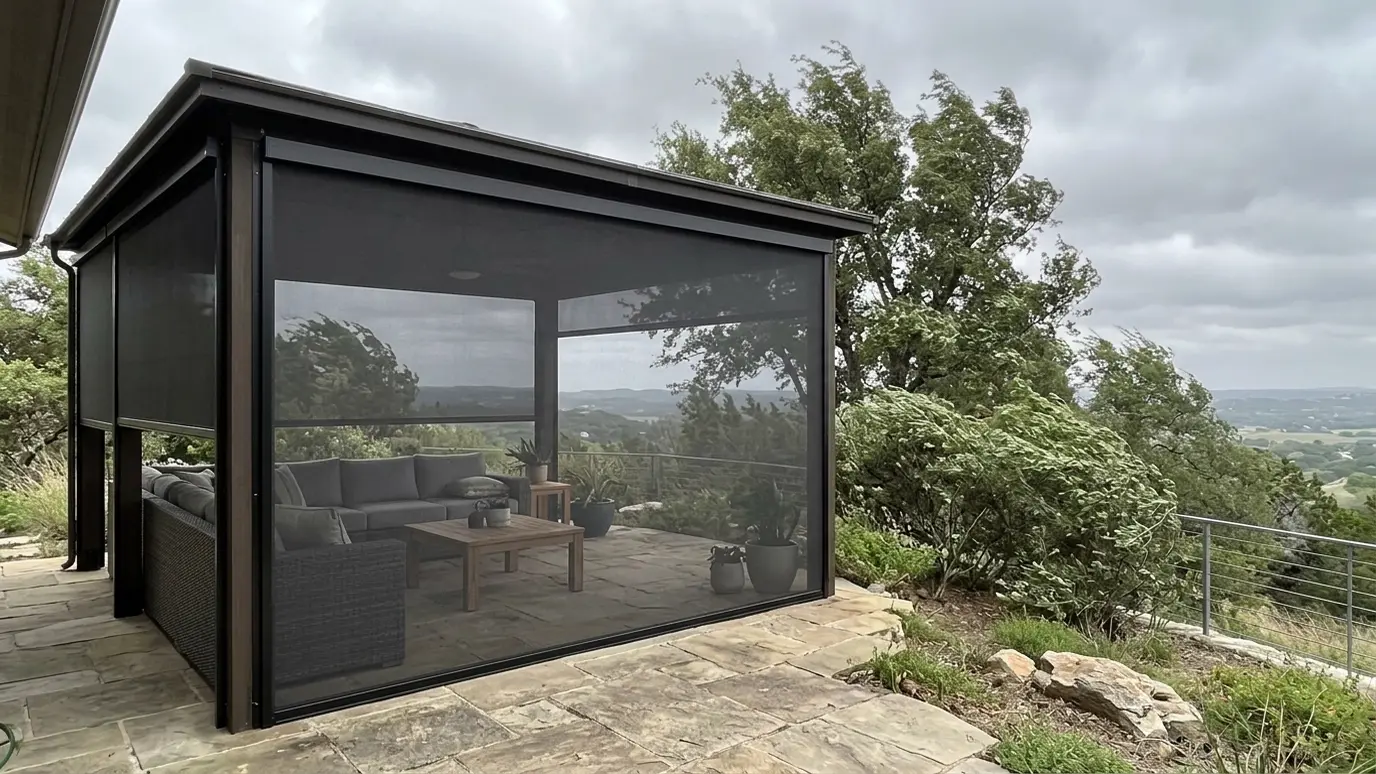 Project situationWindy LotsHilltops, open fields and wide-open subdivisions get real wind. Here is how to choose and use screens when…Learn more
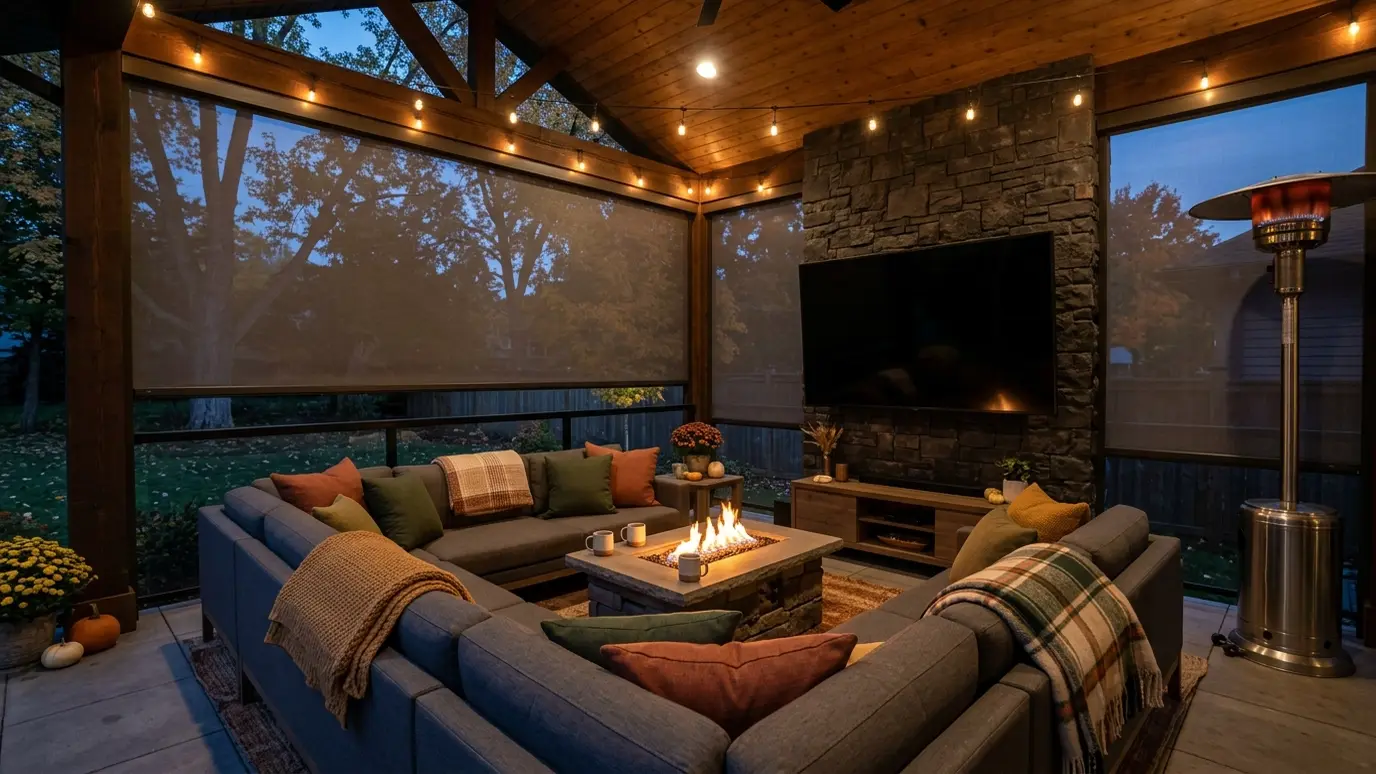 Project situationGame-Day EntertainingFootball Saturdays, birthday parties and long dinners all work better when the patio is comfortable. Here is how…Learn more
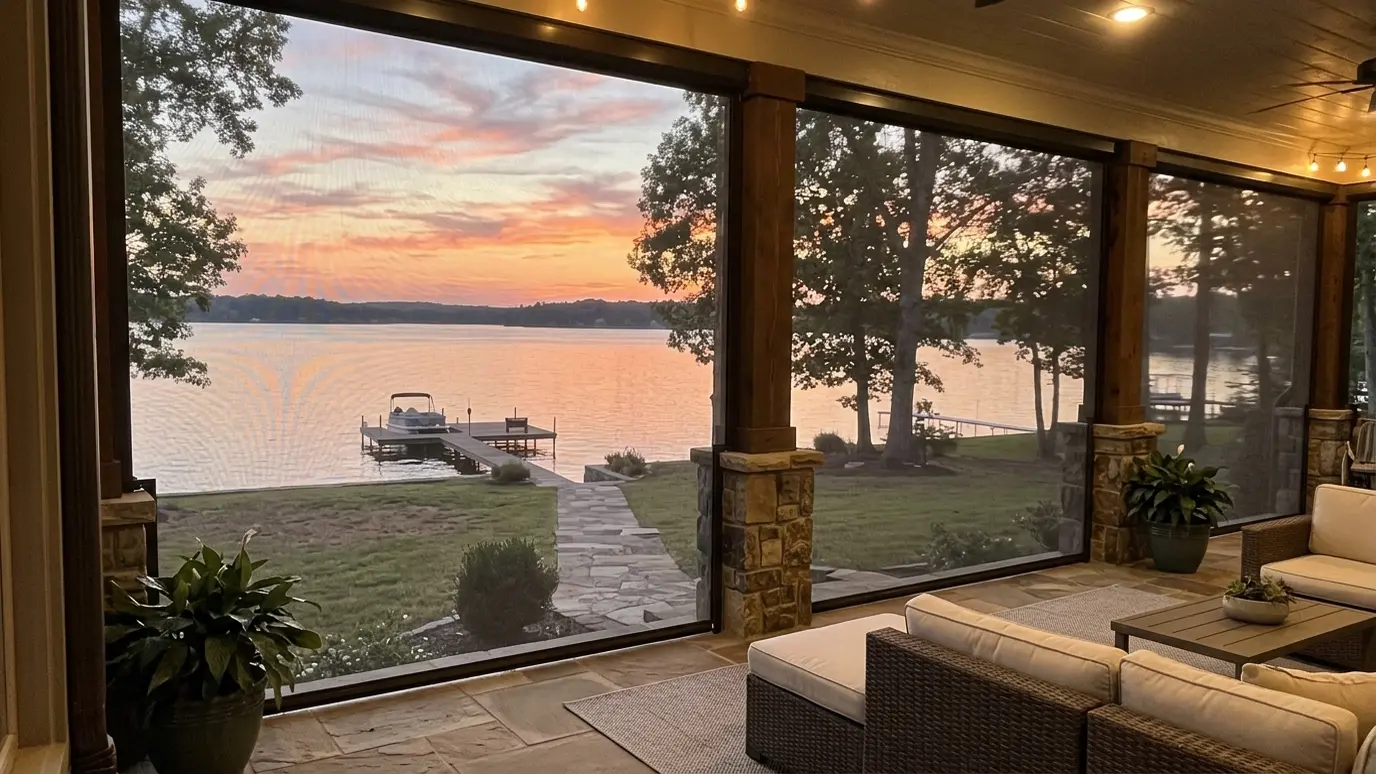 Project situationLakeside and Creekside LotsWater brings views, breezes and bugs. Here is how to screen a lake or creek patio and keep…Learn more
Pick your exposure, opening width and track type to see wind guidance and when to raise the screen.
You tell us about the patio, the bugs or sun that bother you and the timeline, and we set a visit that fits your day.
We walk the patio, feel the sun, check the beams and columns, show fabric samples and talk through the layout.
We measure every opening carefully, write a proposal and coordinate any association approvals or electrical permits.
Your screens are made to size, then housings, tracks and motors are mounted and wired.
We set limits, pair remotes and keypads, check the seals and test every screen through full cycles.
We show you every control, share care tips and leave you to enjoy your first evening outside.
Most can, after we check the frame. Some need reinforcement first.
Yes, subject to the layout. Entry points are planned so nobody is trapped behind a screen.
Our focus is screens. We work with your builder or can suggest local options.
A well-built frame holds firm. Zip tracks and retracting in strong wind help.
Yes. Many owners add them after the frame has been up for a while.
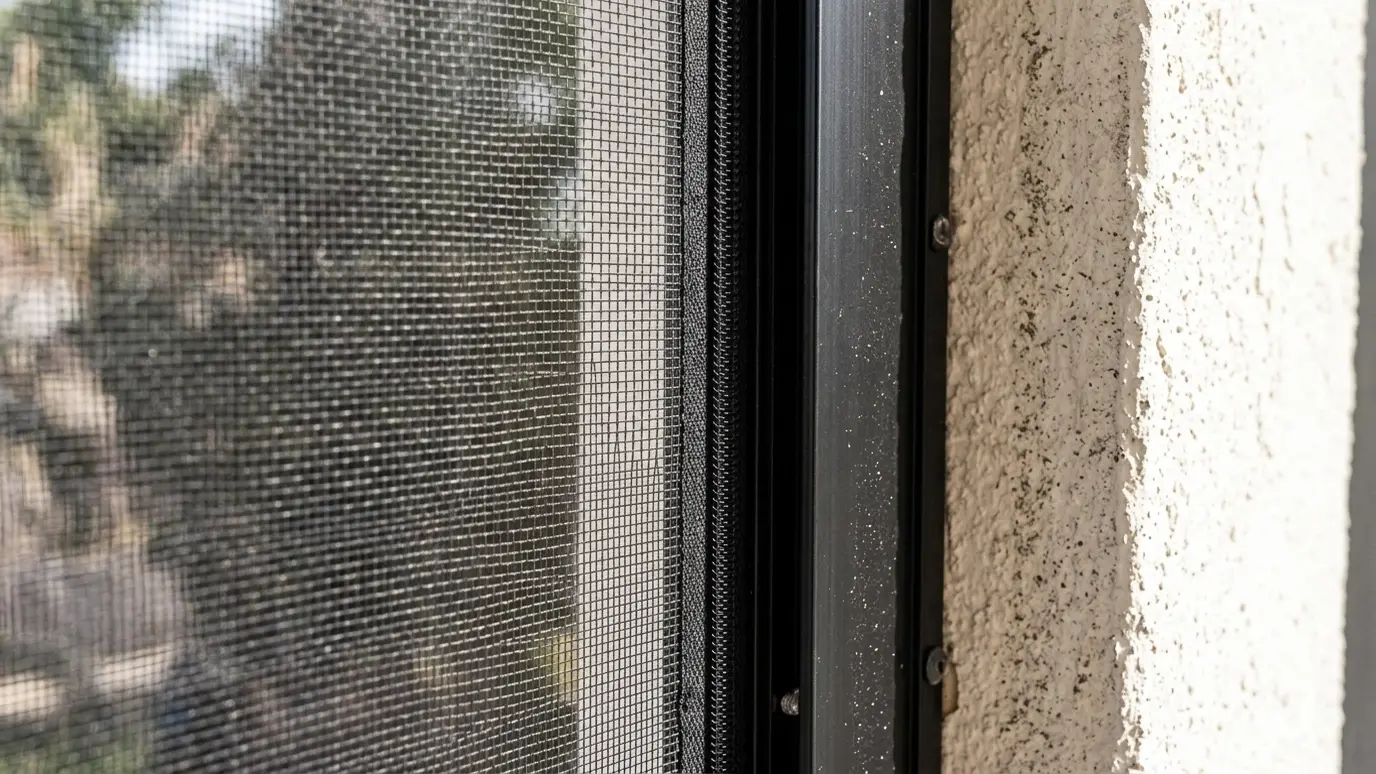 Wind-Rated Zip Track ScreensScreens that lock their edges into a tight track so they stay flat and stable in gusty weather…Explore
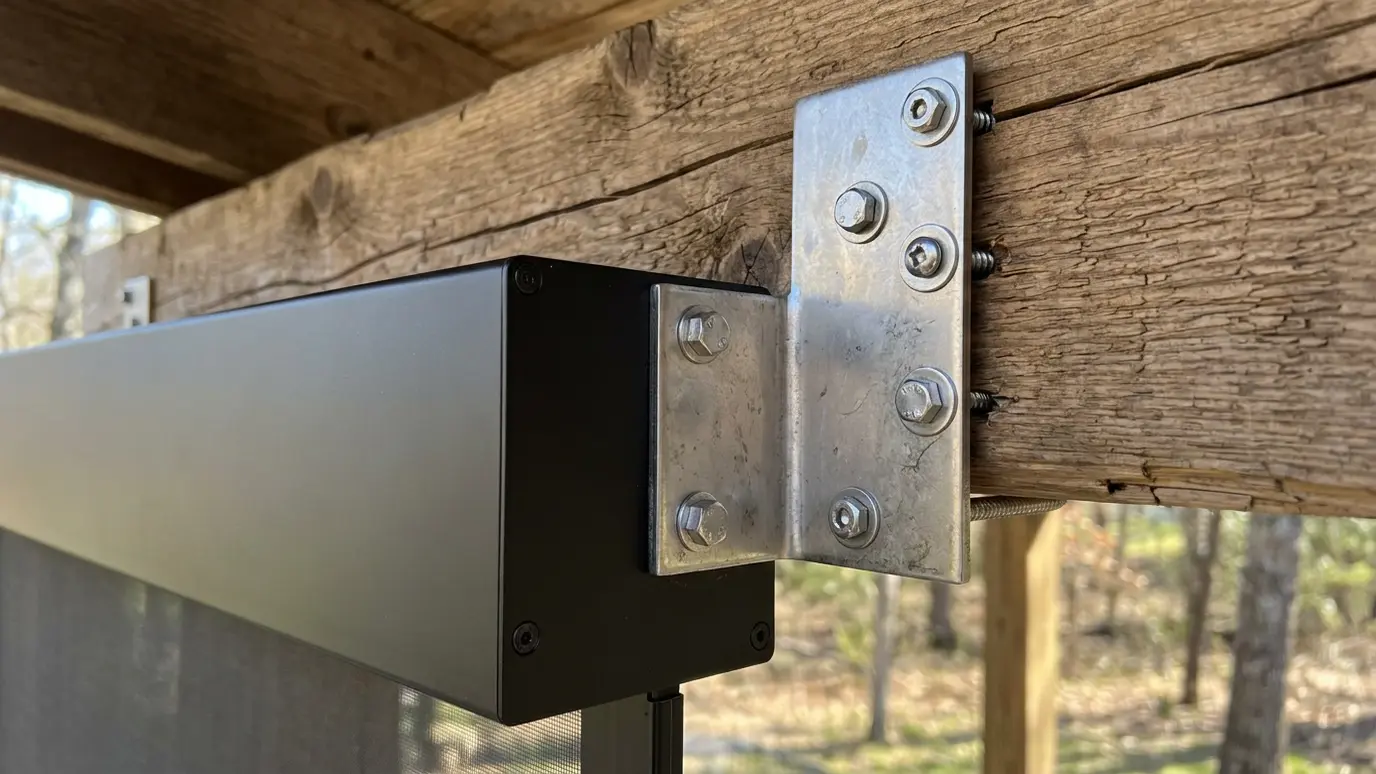 Mounting and HeadersThe solid structure behind every screen, from beam brackets to added headers and column plates, built to carry…Explore
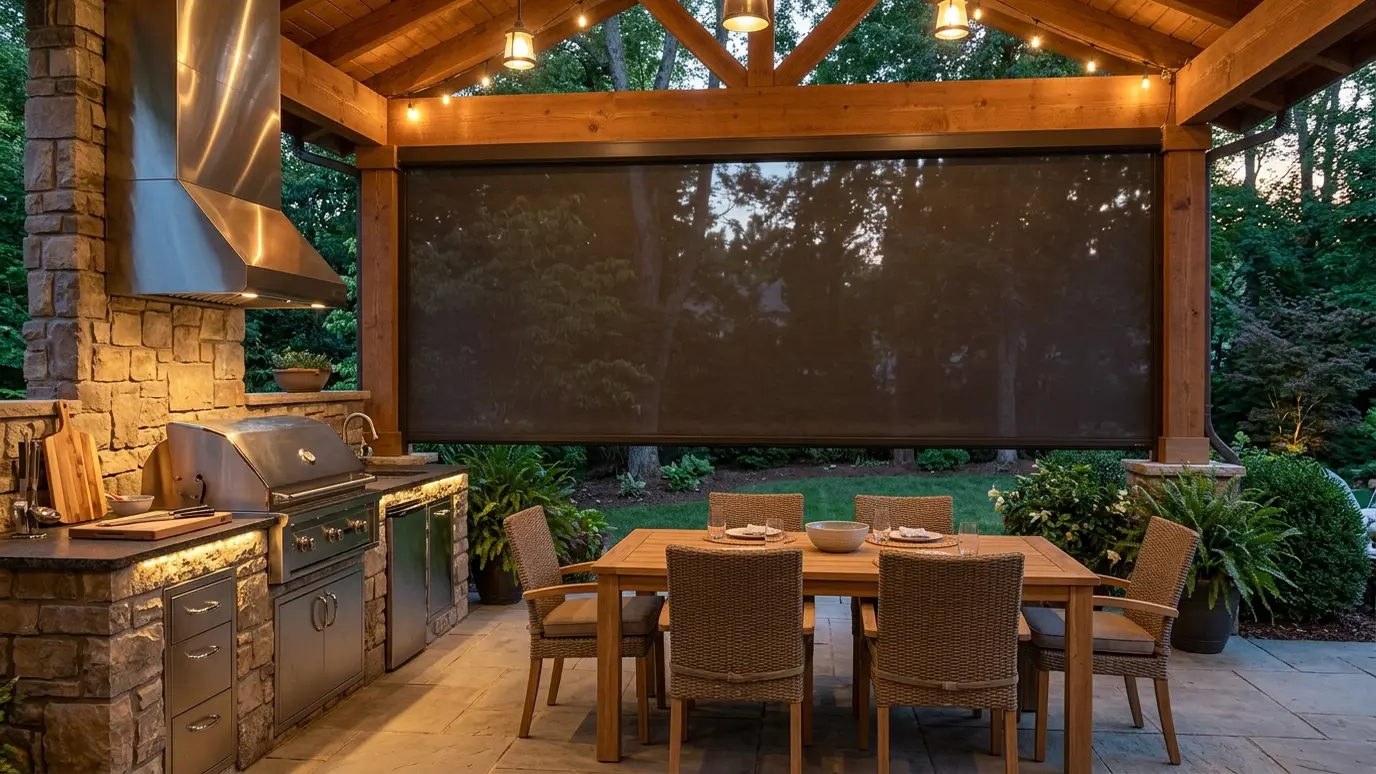 Outdoor Kitchen ScreensScreens around an outdoor kitchen that keep bugs out of the food, with clearances planned for heat, smoke…Explore
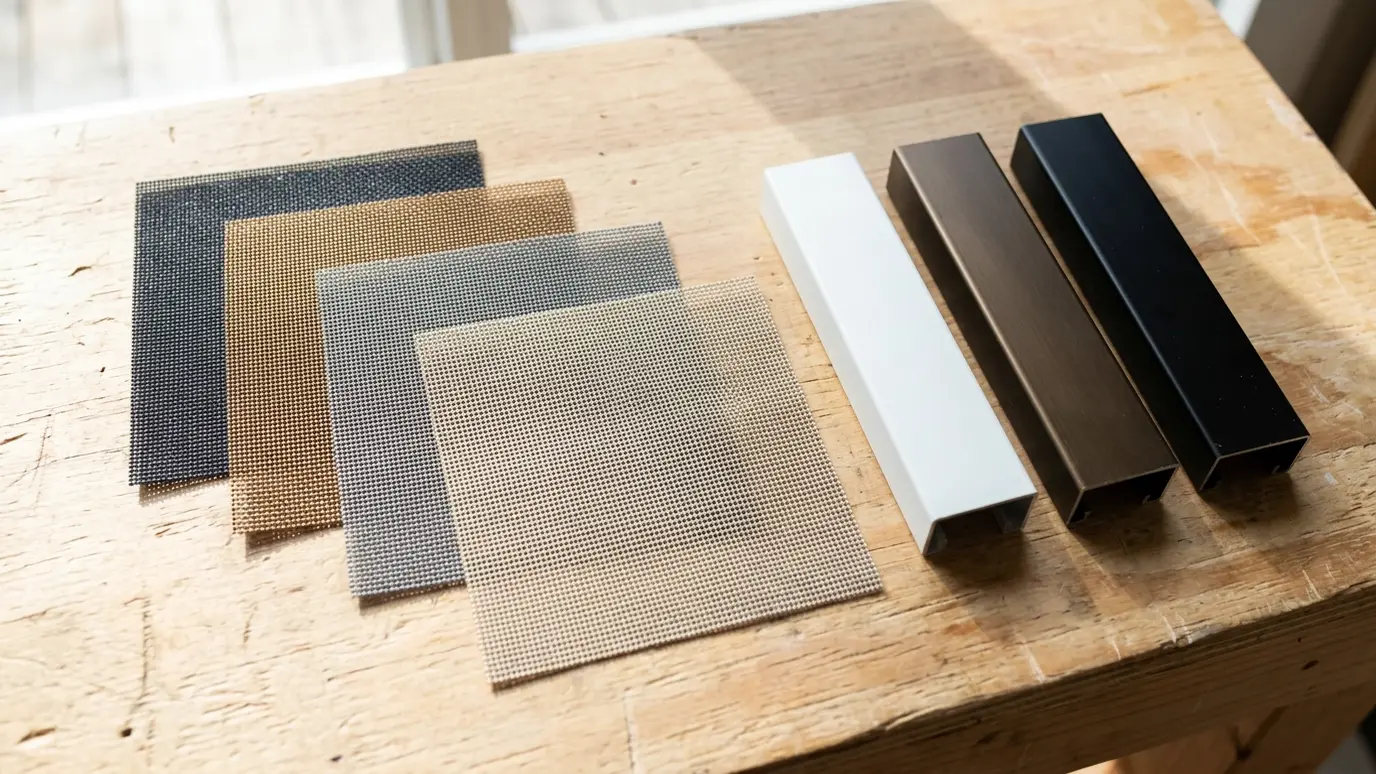 Screen Colors and FinishesThe color of the fabric, housing and tracks, chosen so the screens look like part of the house…Explore
Tell us about the project and we will call you back to talk it through.
Or call (615) 357-7797 to talk now.