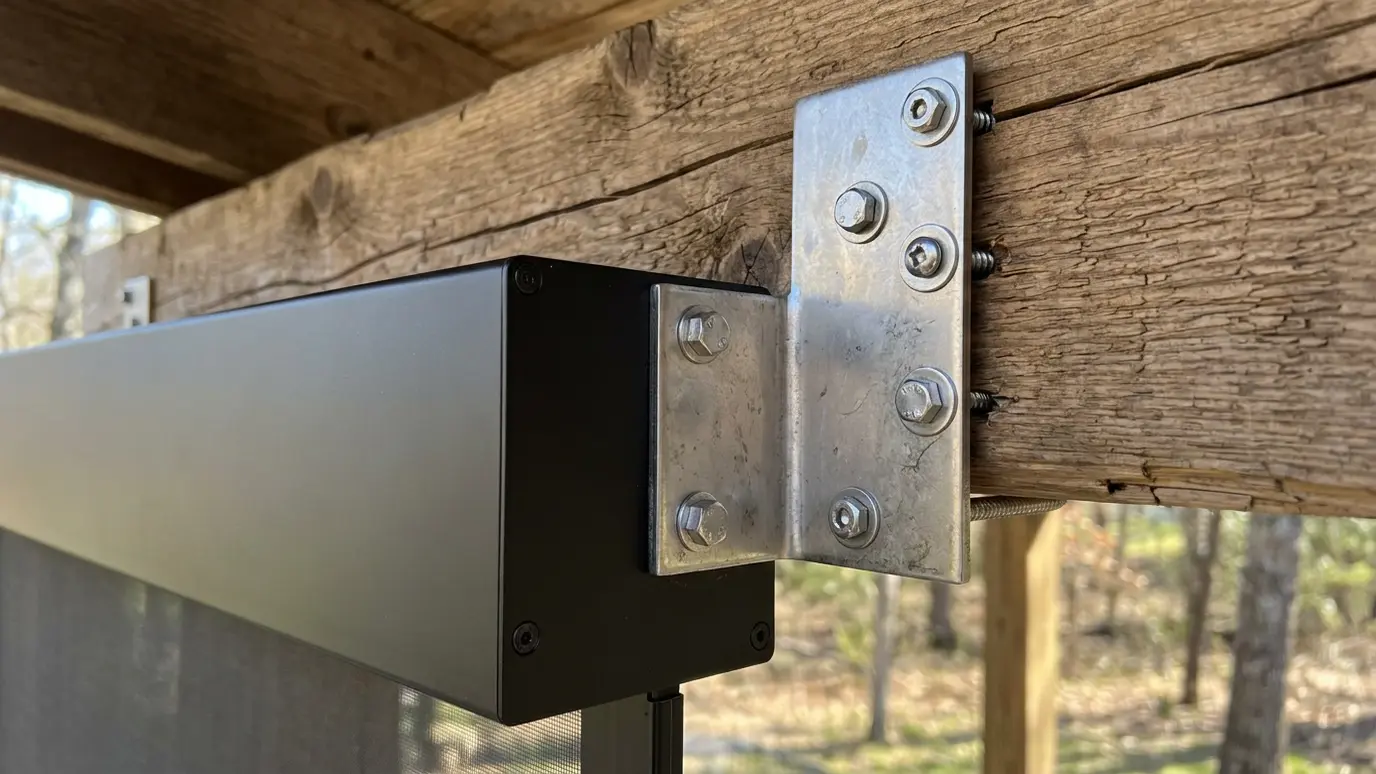
The solid structure behind every screen, from beam brackets to added headers and column plates, built to carry the load.
A screen is only as steady as what it hangs from. Housings and tracks need solid wood or metal behind them, and not every patio has it. Old beams may be hollow, trim may be thin and columns may be brick, stone or stucco. The right mounting turns those surfaces into a solid base.
We study each opening and choose the mounting approach: face mount, under-beam mount, recessed mount or an added header. We select brackets, spacers and fasteners for each material, whether wood, steel, brick or stucco, and we seal penetrations so water stays out. Careful mounting keeps screens straight and quiet for years. Good mounting is mostly hidden, which is why it is easy to skip. We do not skip it. We probe suspect wood, check for moisture damage, confirm that fasteners reach solid material and test the finished housing by hand before the screen goes on. That extra care is why our installations stay straight and quiet through years of use and weather.
Housings can attach to the face of a beam, under it or inside a recessed pocket. Each choice has a different look and clearance.
If there is no solid surface, a header board or steel angle gives the housing something strong to attach to.
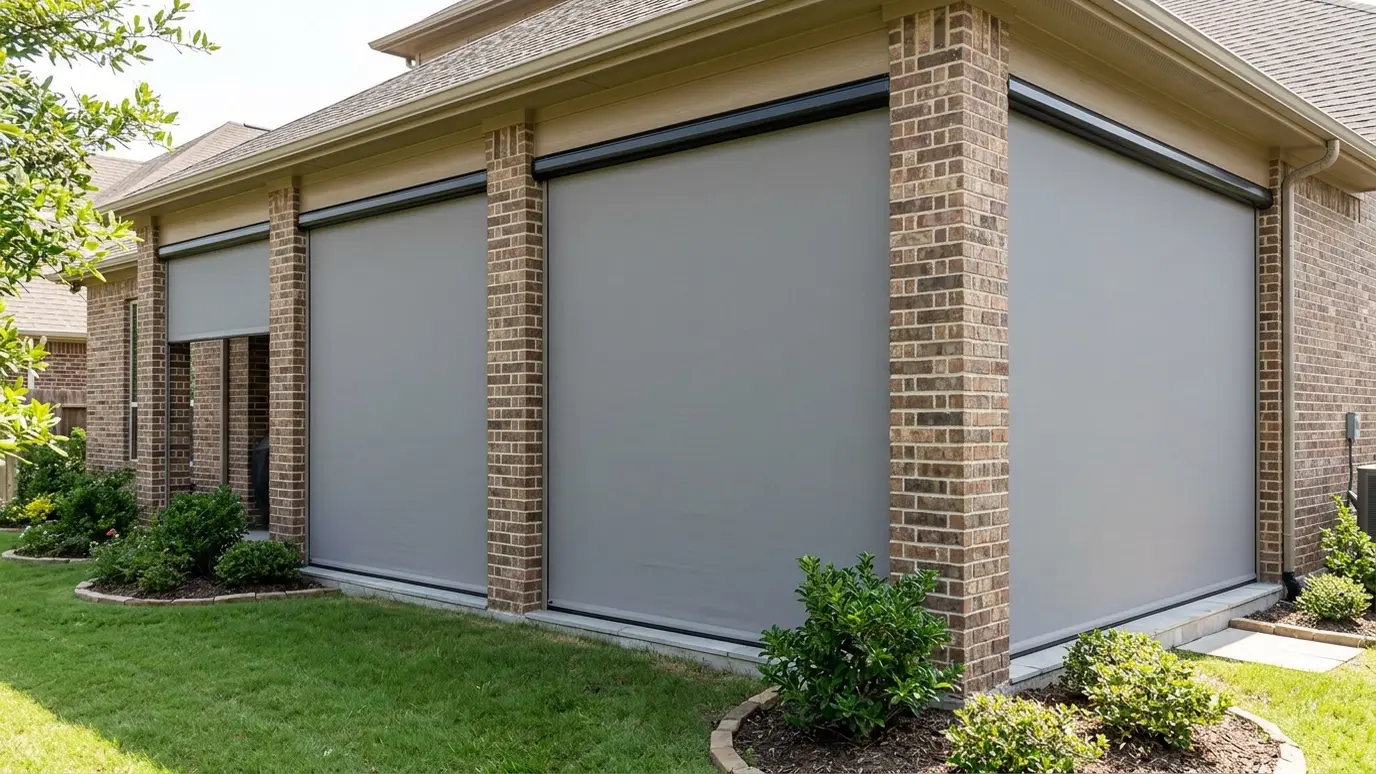
Tracks attach to columns of wood, brick, stone or stucco using fasteners made for each. Plates and spacers keep tracks straight.
Penetrations are sealed and fasteners are coated or stainless, so rain and moisture do not harm the structure.
Drag the handle to compare.
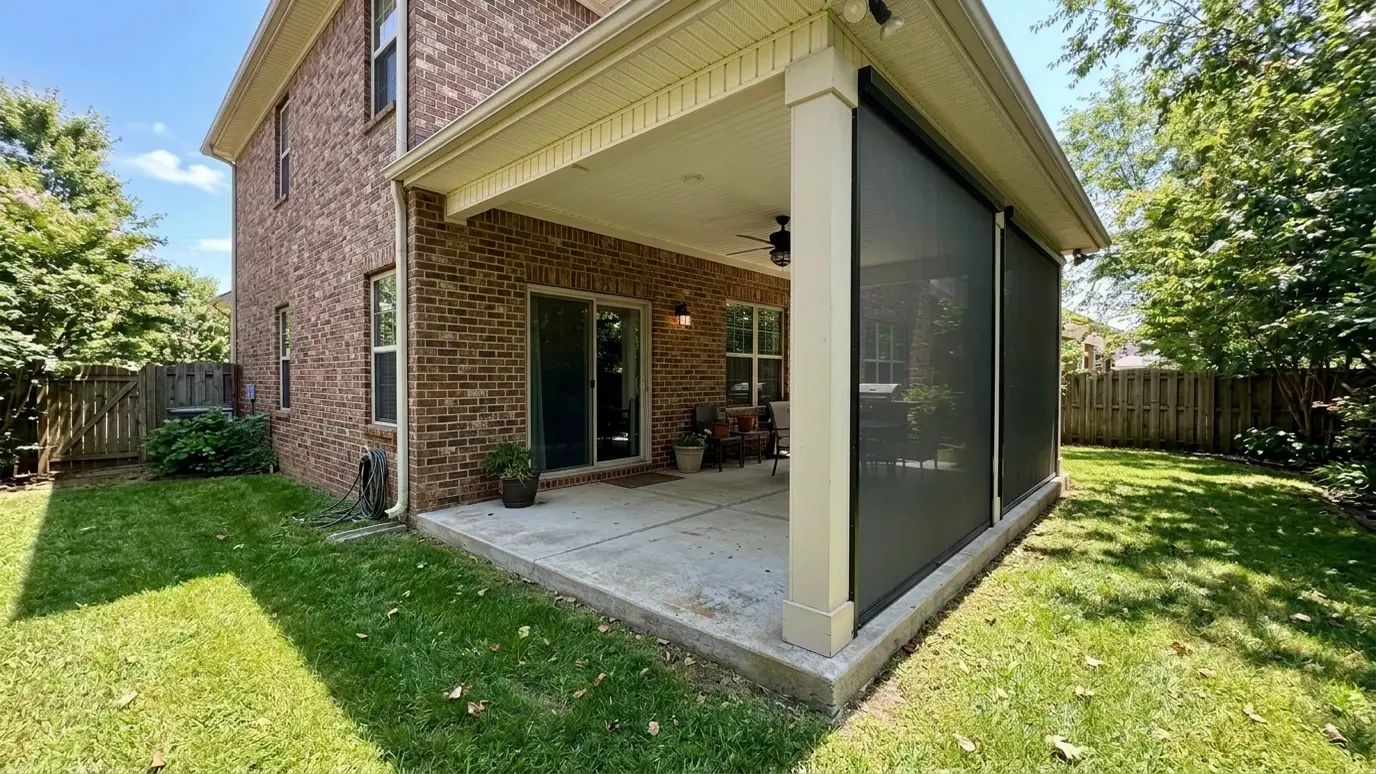
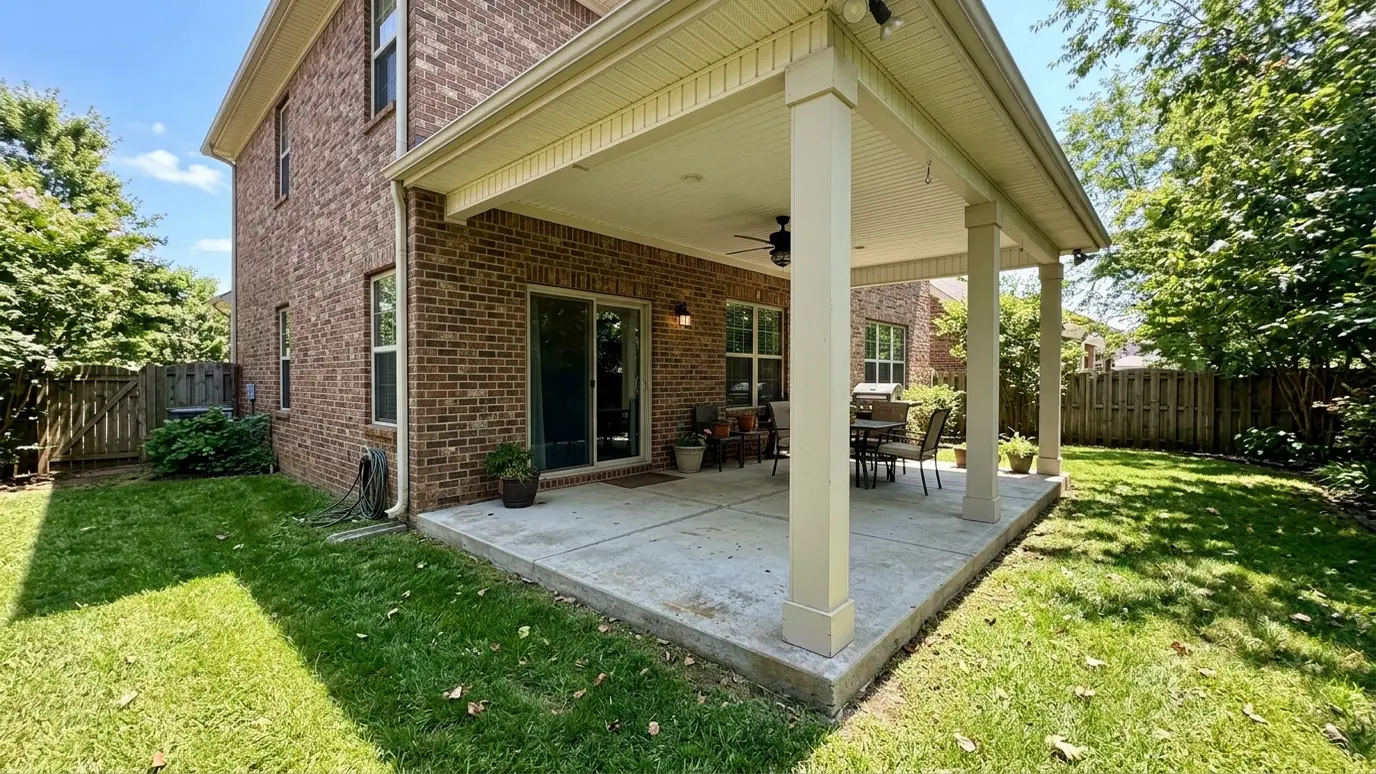 BeforeAfter
Into wood, steel or masonry.
Face, under-beam or recessed.
A base for the housing.
Water stays out.
No rust streaks.
Tracks aligned.
Every topic has its own page with what to expect and how we approach it.
 Project situationHOA NeighborhoodsNeighborhood rules shape what you can add. Here is how to choose screens that look right and win…Learn more
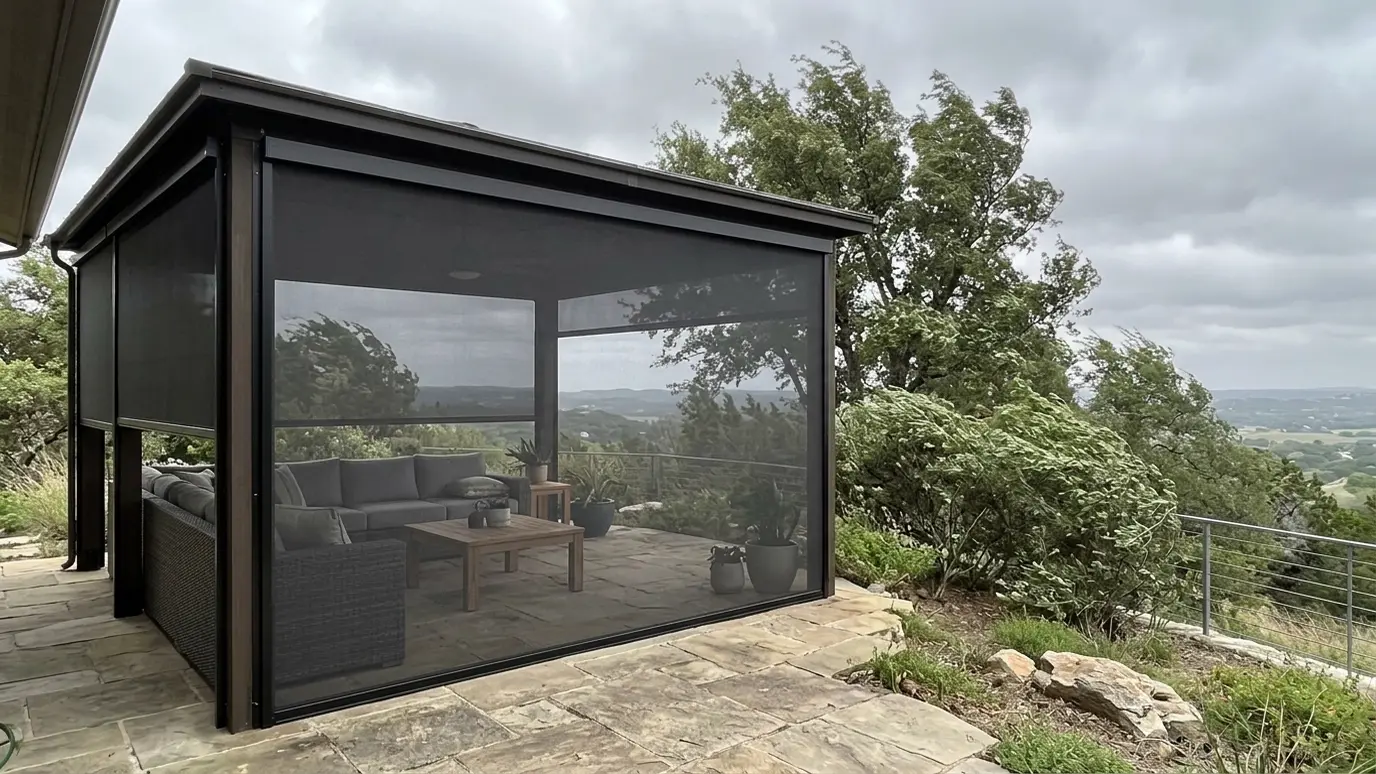 Project situationWindy LotsHilltops, open fields and wide-open subdivisions get real wind. Here is how to choose and use screens when…Learn more
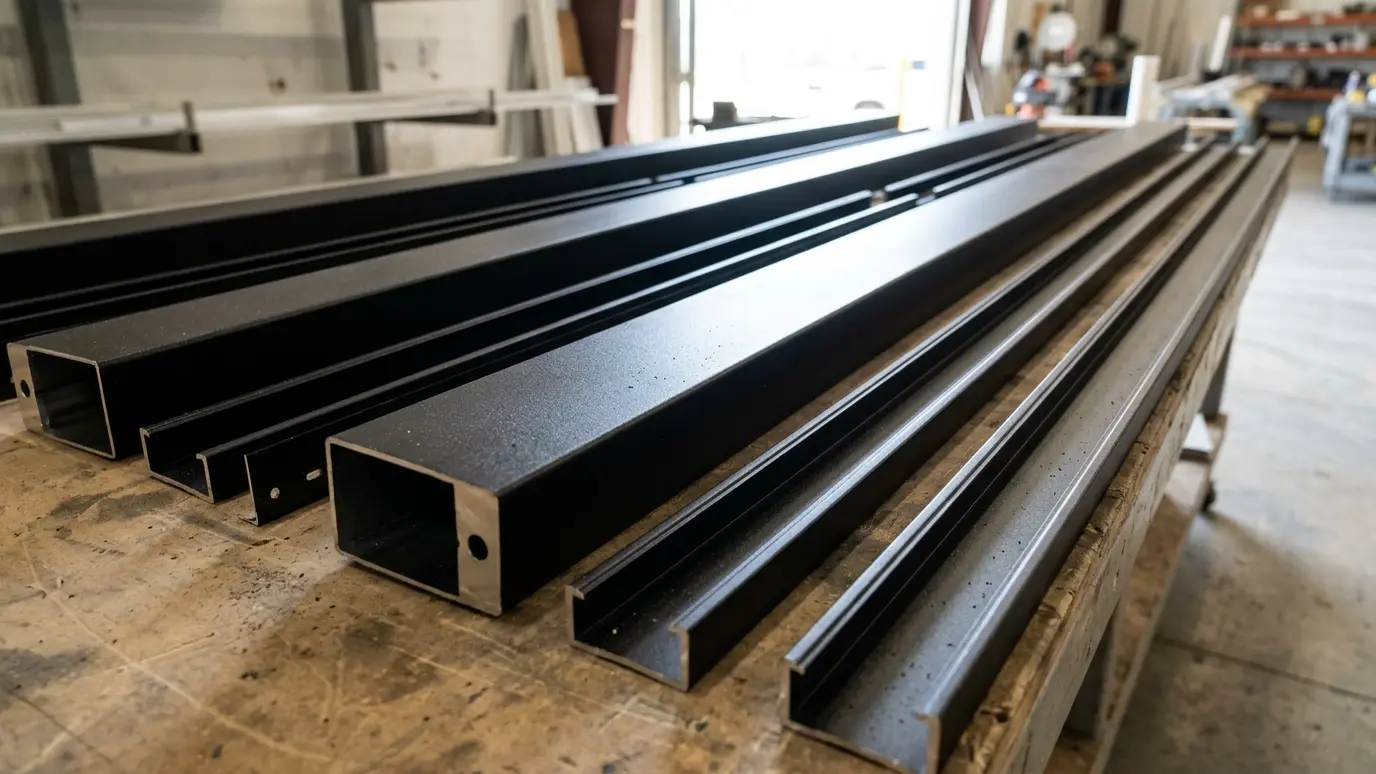 Material guideAluminum HousingsThe housing and tracks hold everything together. Here is what to know about aluminum, finishes and sizes.Learn more
Enter the width and height of an opening to see the screen size, the number of screens and the housing to plan for.
You tell us about the patio, the bugs or sun that bother you and the timeline, and we set a visit that fits your day.
We walk the patio, feel the sun, check the beams and columns, show fabric samples and talk through the layout.
We measure every opening carefully, write a proposal and coordinate any association approvals or electrical permits.
Your screens are made to size, then housings, tracks and motors are mounted and wired.
We set limits, pair remotes and keypads, check the seals and test every screen through full cycles.
We show you every control, share care tips and leave you to enjoy your first evening outside.
Yes, with the right anchors and sealing.
We add a header or reinforcement.
We take care and repair or replace trim as needed.
Often yes. We check the structure above.
We choose the mounting to look neat and match your finish.
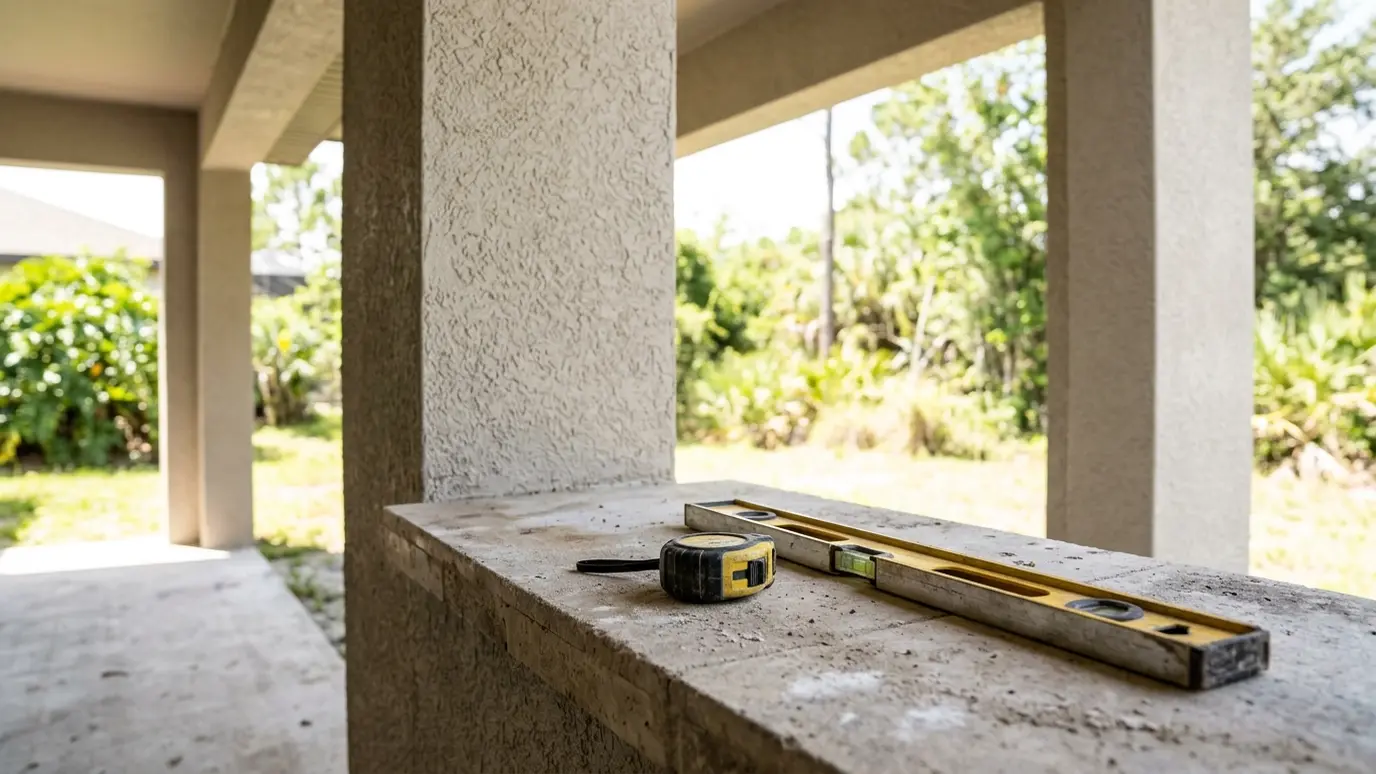 Measurement and Site SurveyCareful measuring of every opening, beam and column so each screen fits true, hangs straight and seals along…Explore
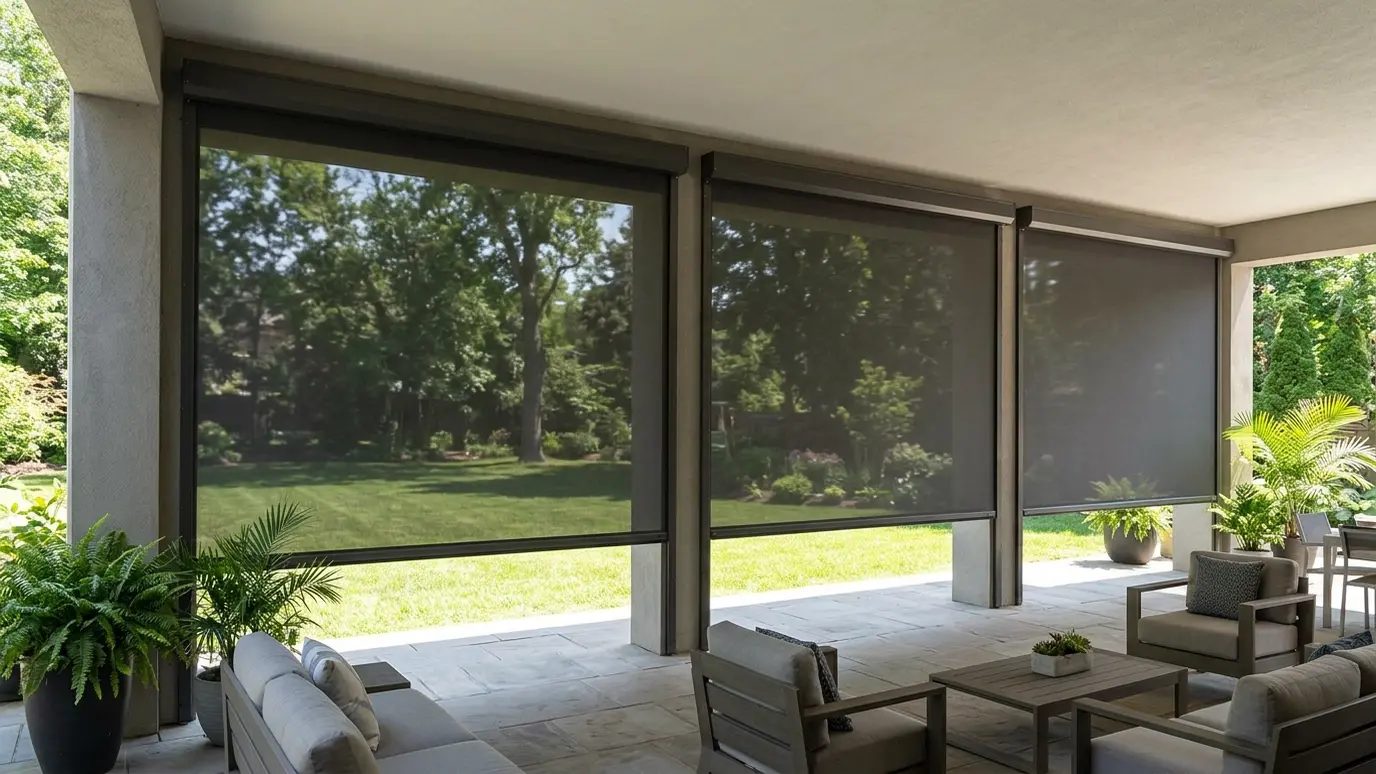 Wide Opening LayoutsPlanning for patios that are too wide for one screen, with side-by-side screens, center posts and grouped controls.Explore
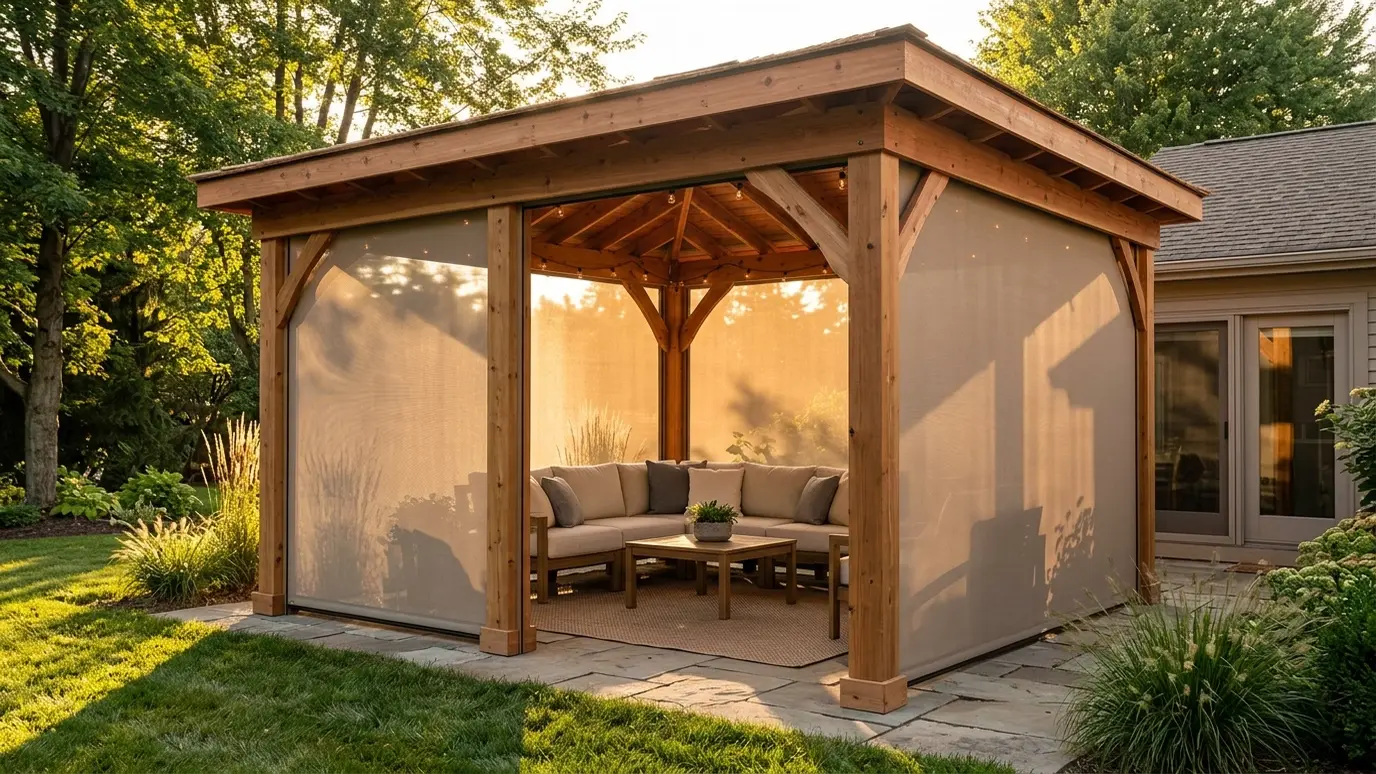 Pergola and Pavilion ScreensScreens that give a pergola, pavilion or gazebo the walls it lacks, with fabric that rolls away when…Explore
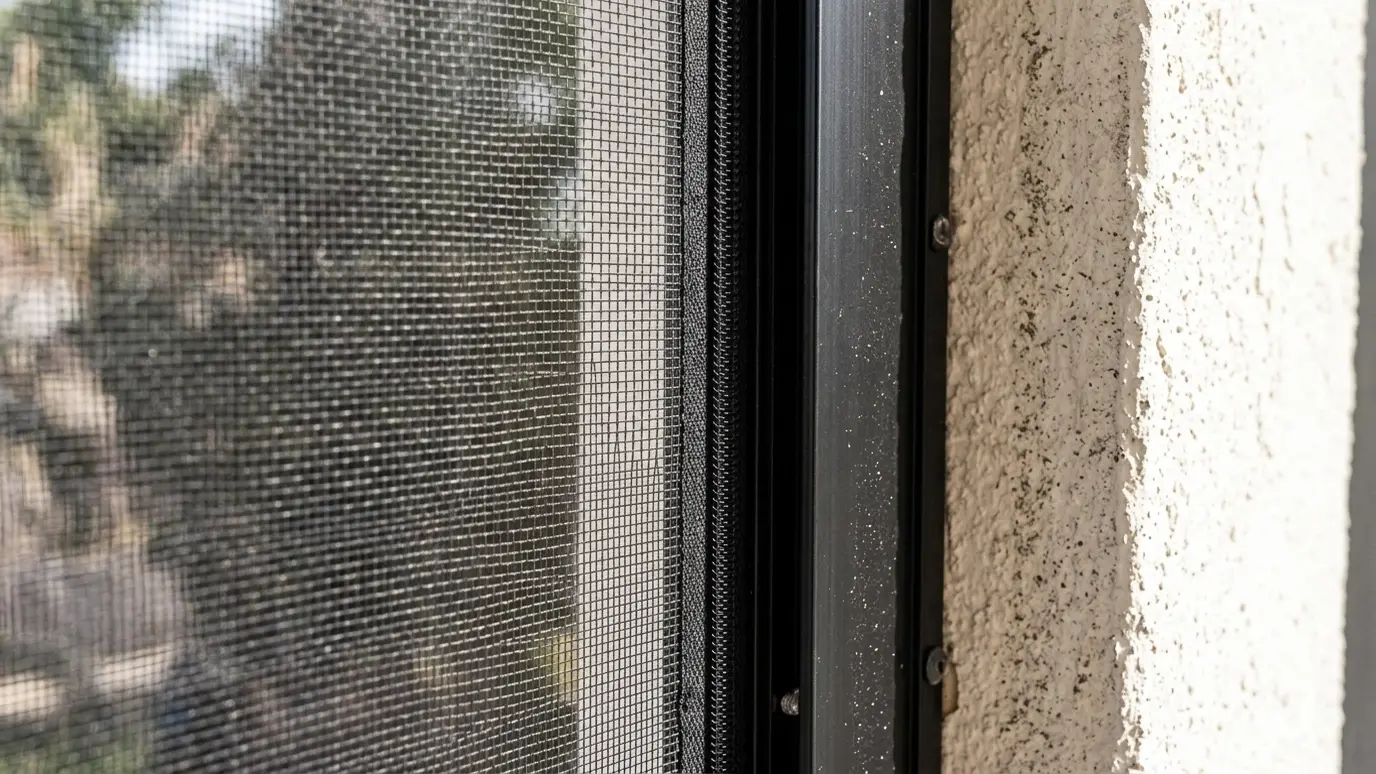 Wind-Rated Zip Track ScreensScreens that lock their edges into a tight track so they stay flat and stable in gusty weather…Explore
Tell us about the project and we will call you back to talk it through.
Or call (615) 357-7797 to talk now.