Know your orientation
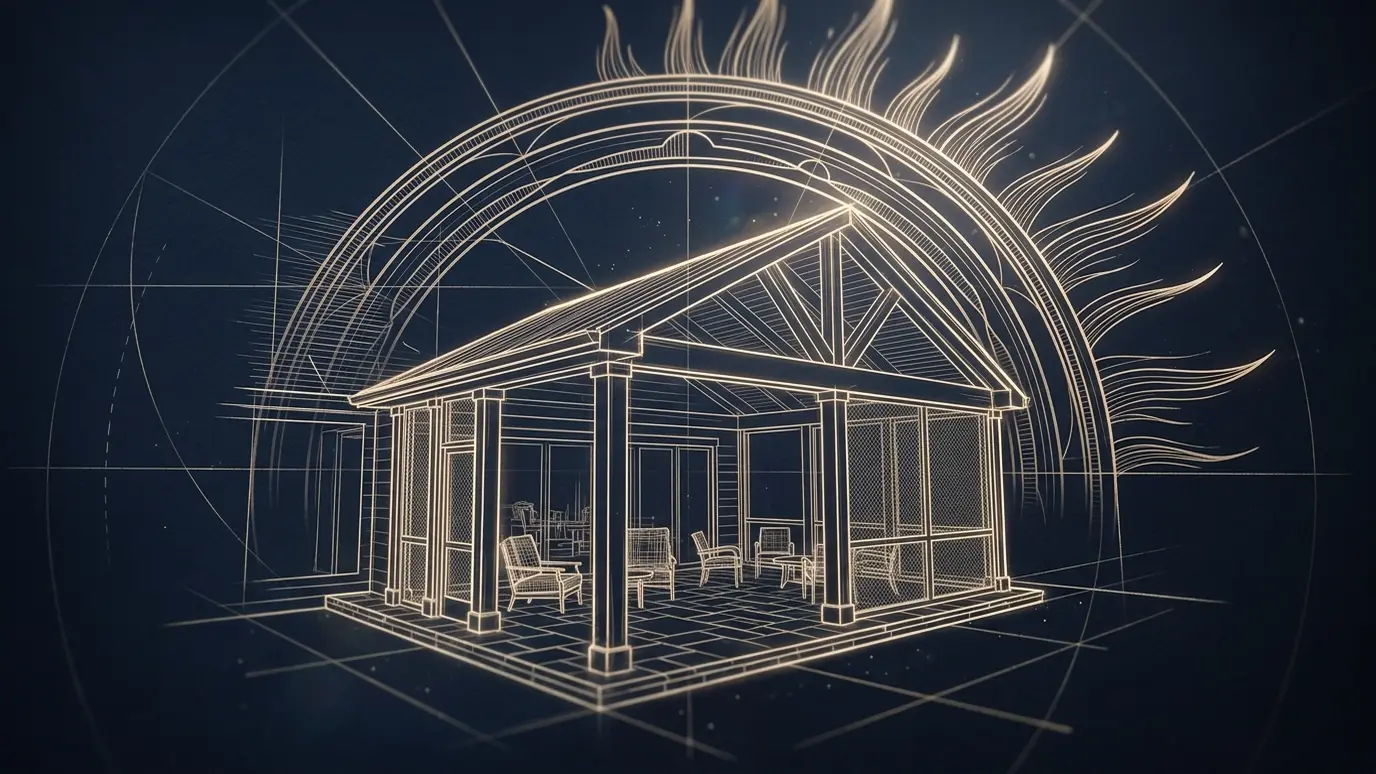
West-facing patios get the hottest, lowest sun in late afternoon. South-facing patios get strong midday sun. East-facing patios get gentle morning light.
Our sun tool shows how the angle changes.
Openness explained
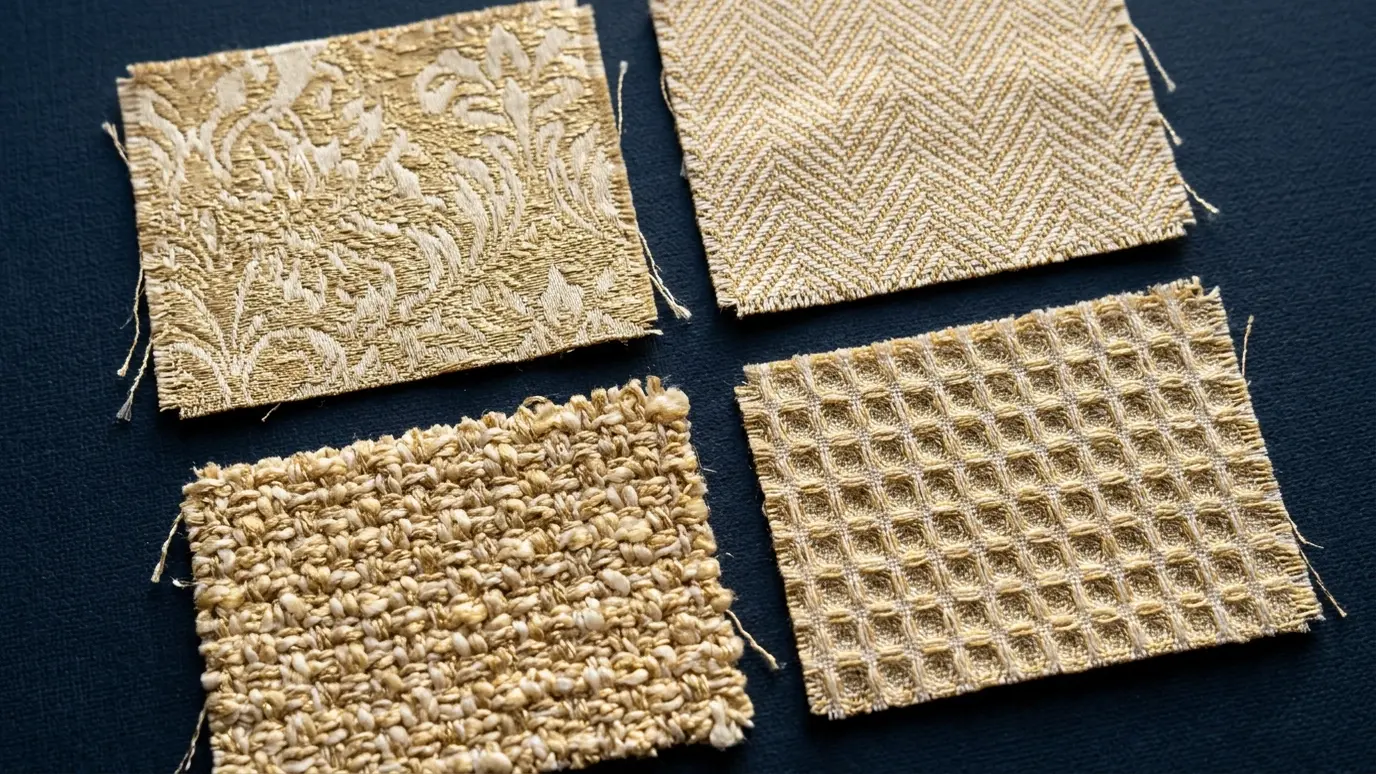
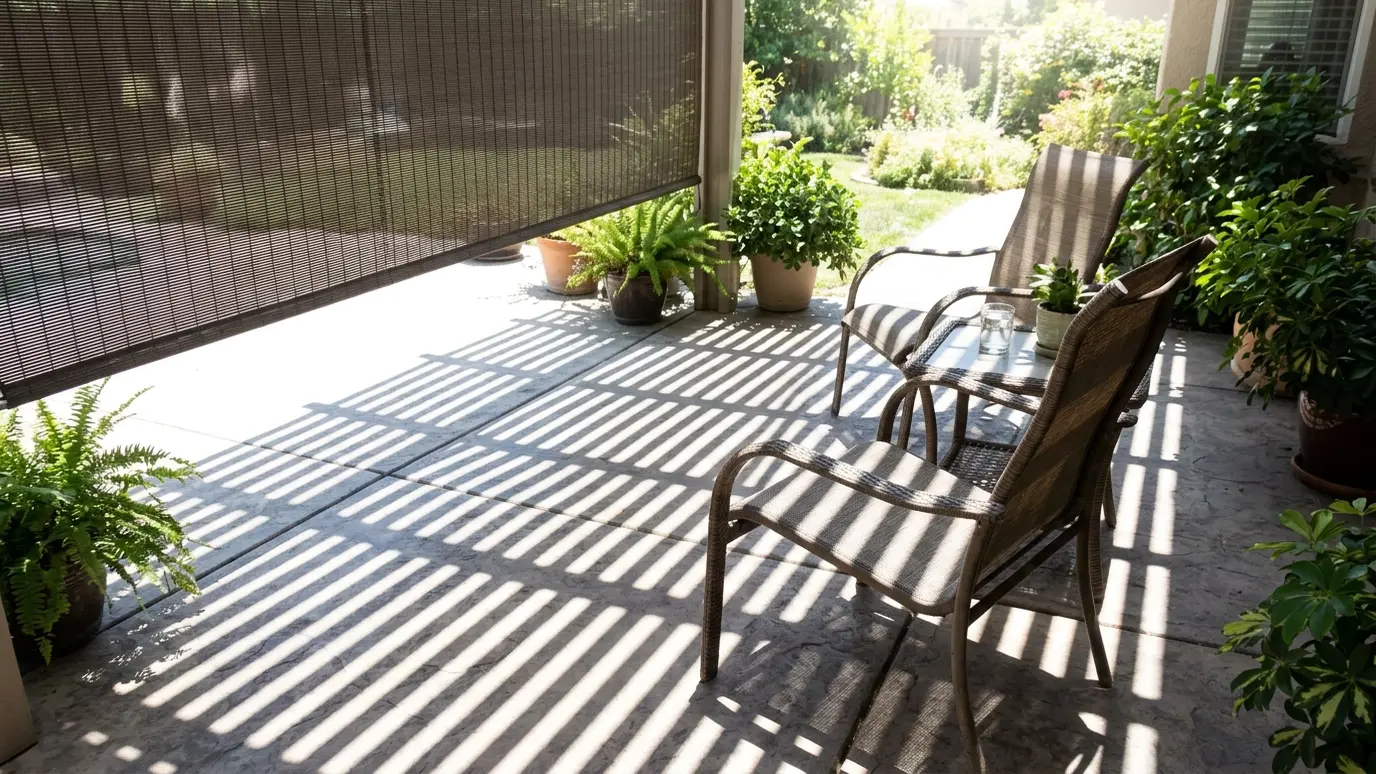
Openness is the share of the fabric that lets light through. Lower openness blocks more sun and view. Higher openness lets in more.
Ten percent is a popular balance.
Color choices
Dark fabrics cut glare and keep the view clear. Light fabrics reflect more heat but look hazier.
Most owners choose dark for the view.
Overhead and vertical shade
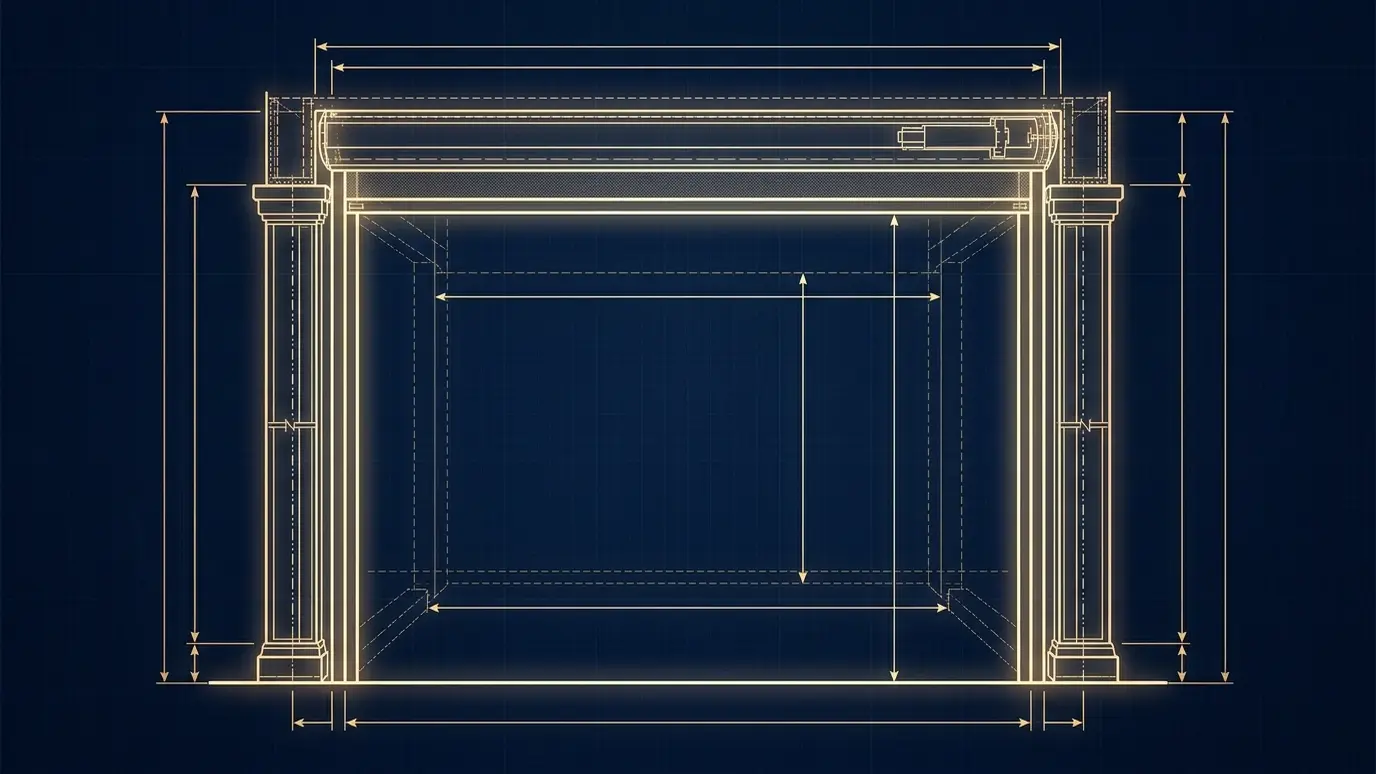
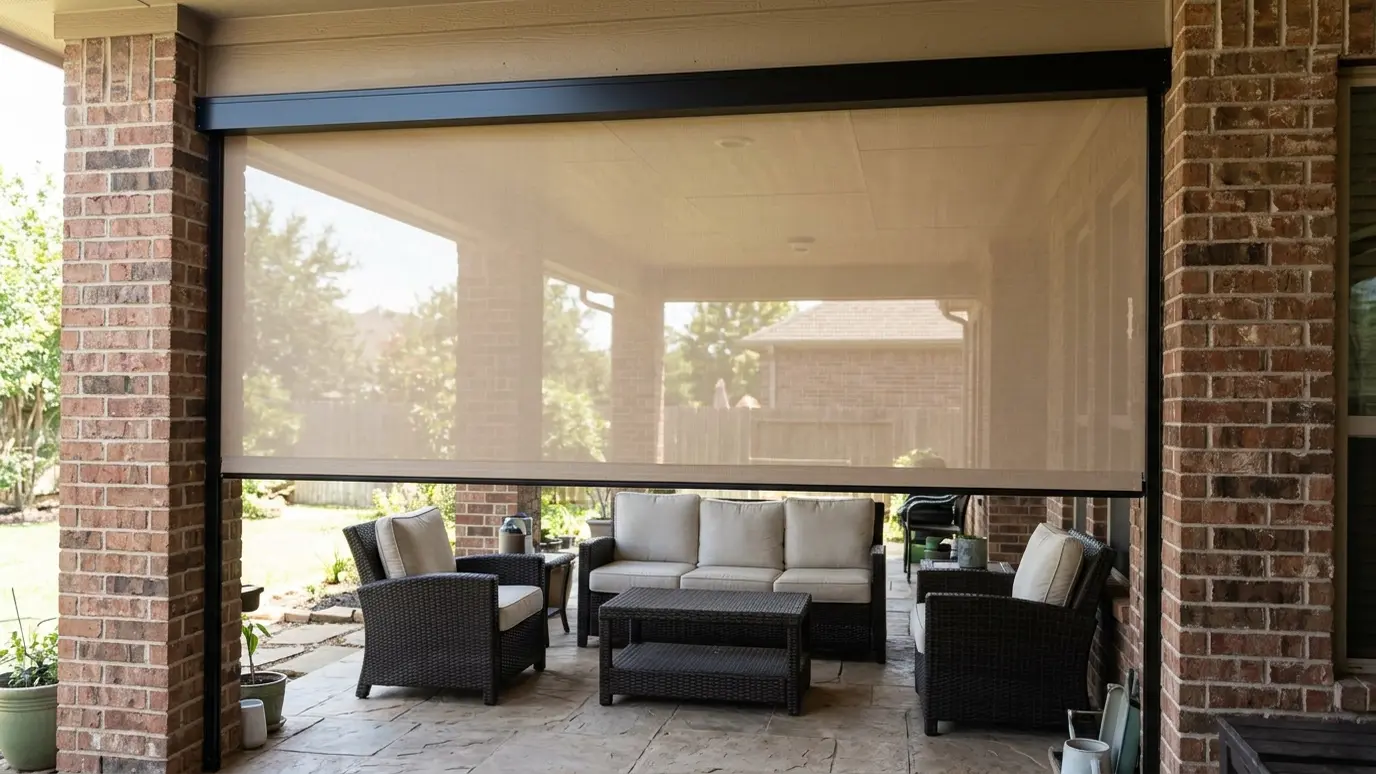
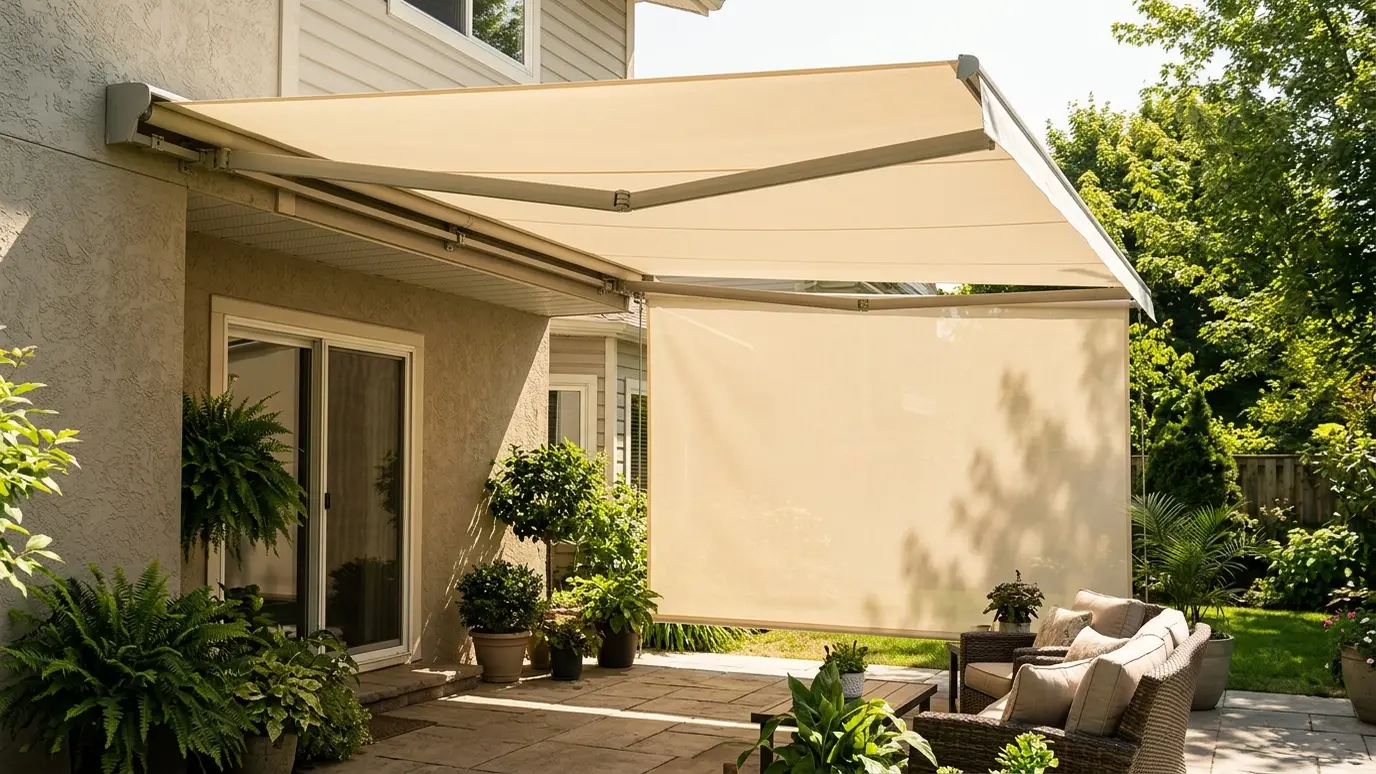
Low sun comes from the side, so vertical screens work best. High sun comes from above, where awnings and roofs help.
Many patios need both.
Sensors and timers
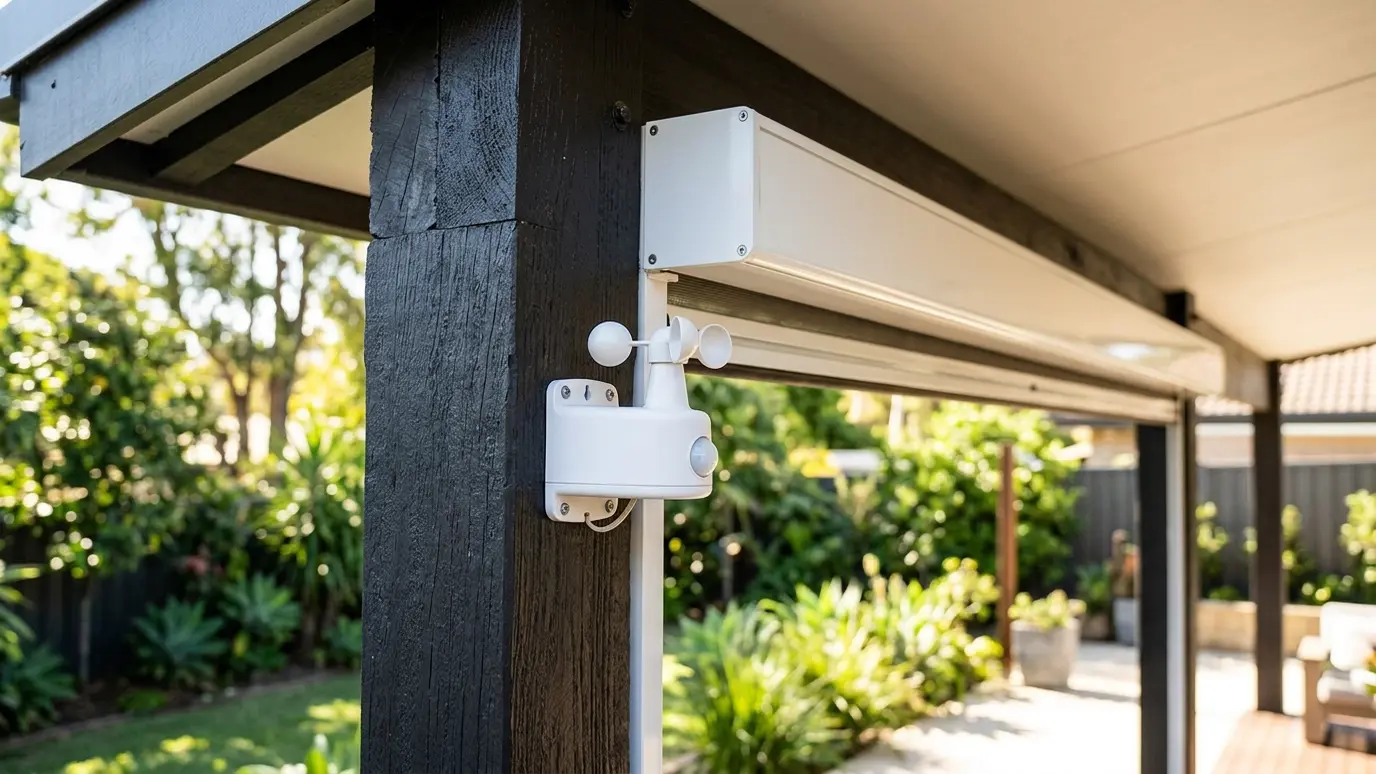
A sun sensor lowers the screens when it gets bright. A timer can drop them each afternoon.
Both save you from remembering.
Cooling the house
Shade outside the glass keeps heat out of rooms. It can make a noticeable difference on west-facing walls.
Check your rooms after installation.
Start with your orientation, choose a dark fabric with moderate openness and add a sensor if you want it automatic.