Convenience
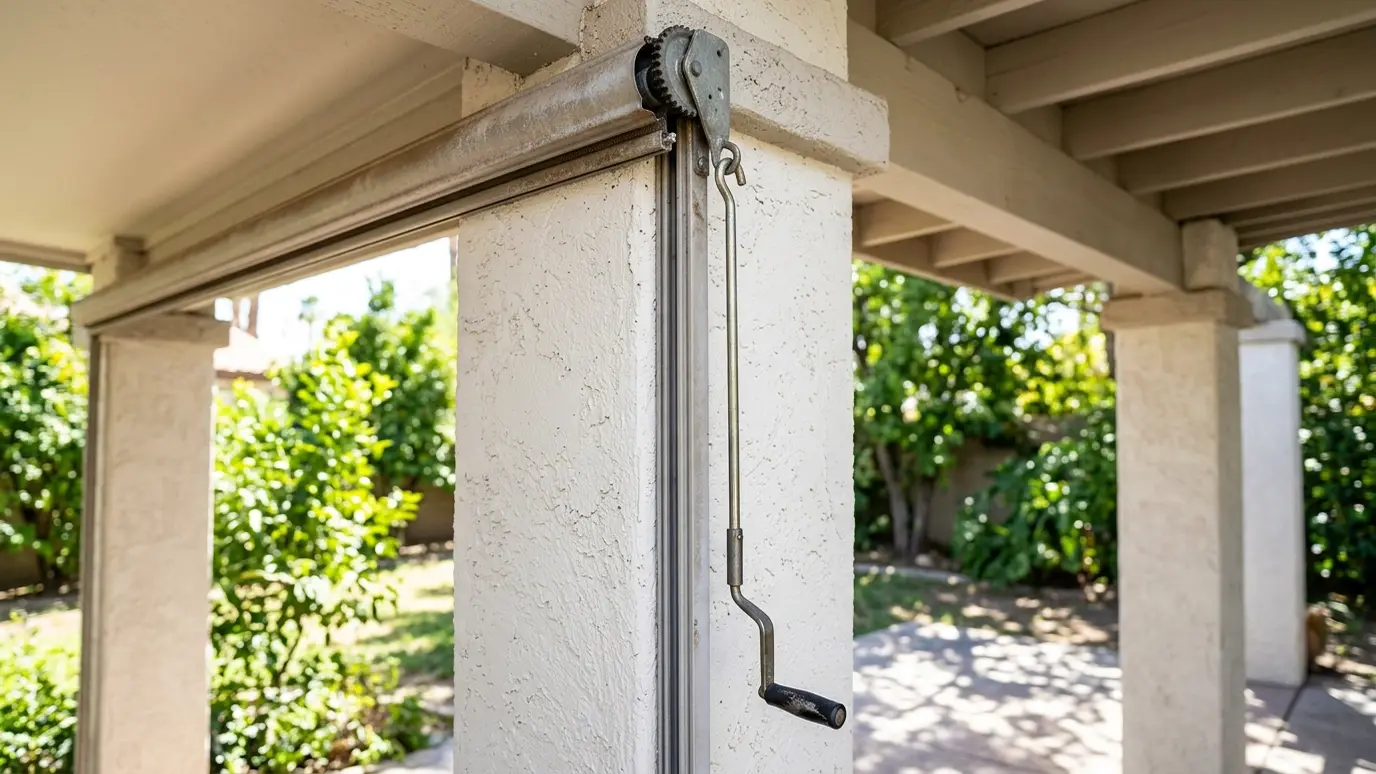
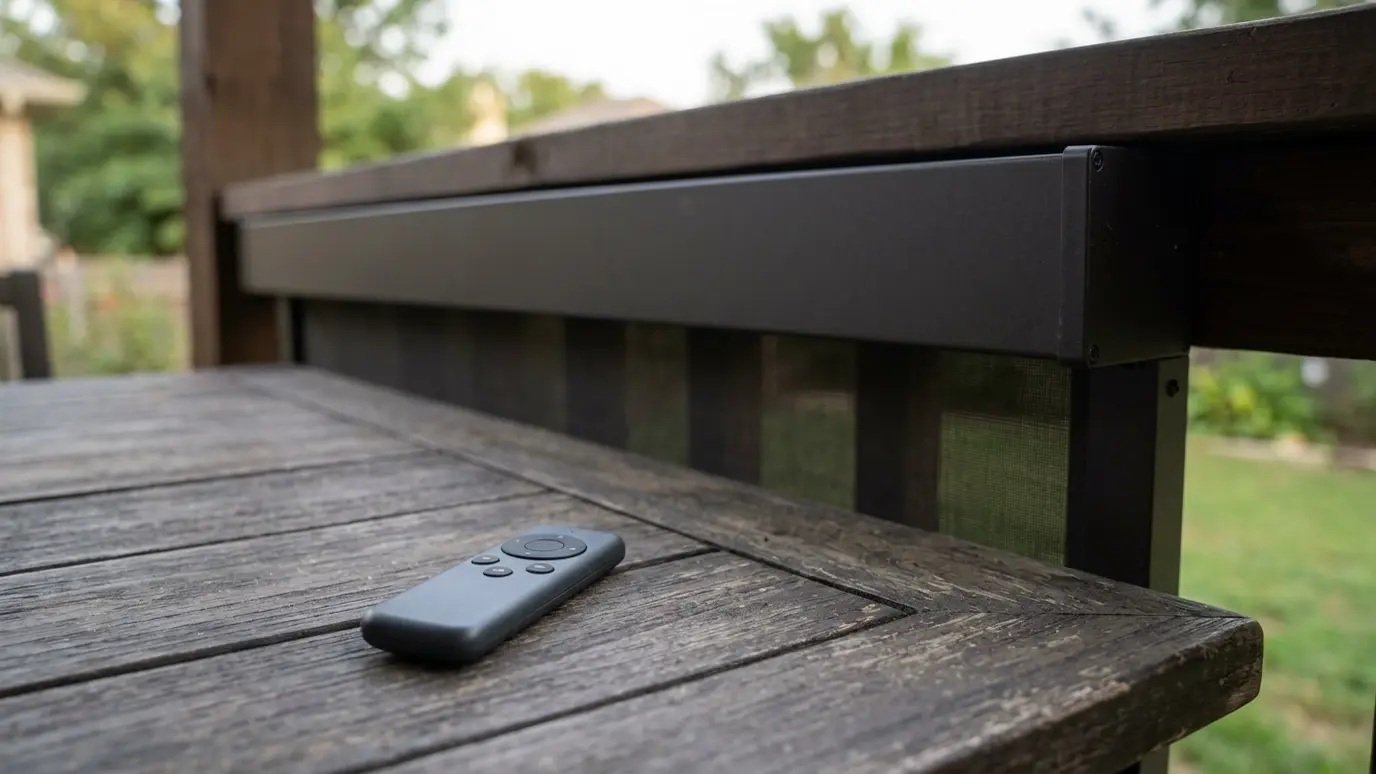
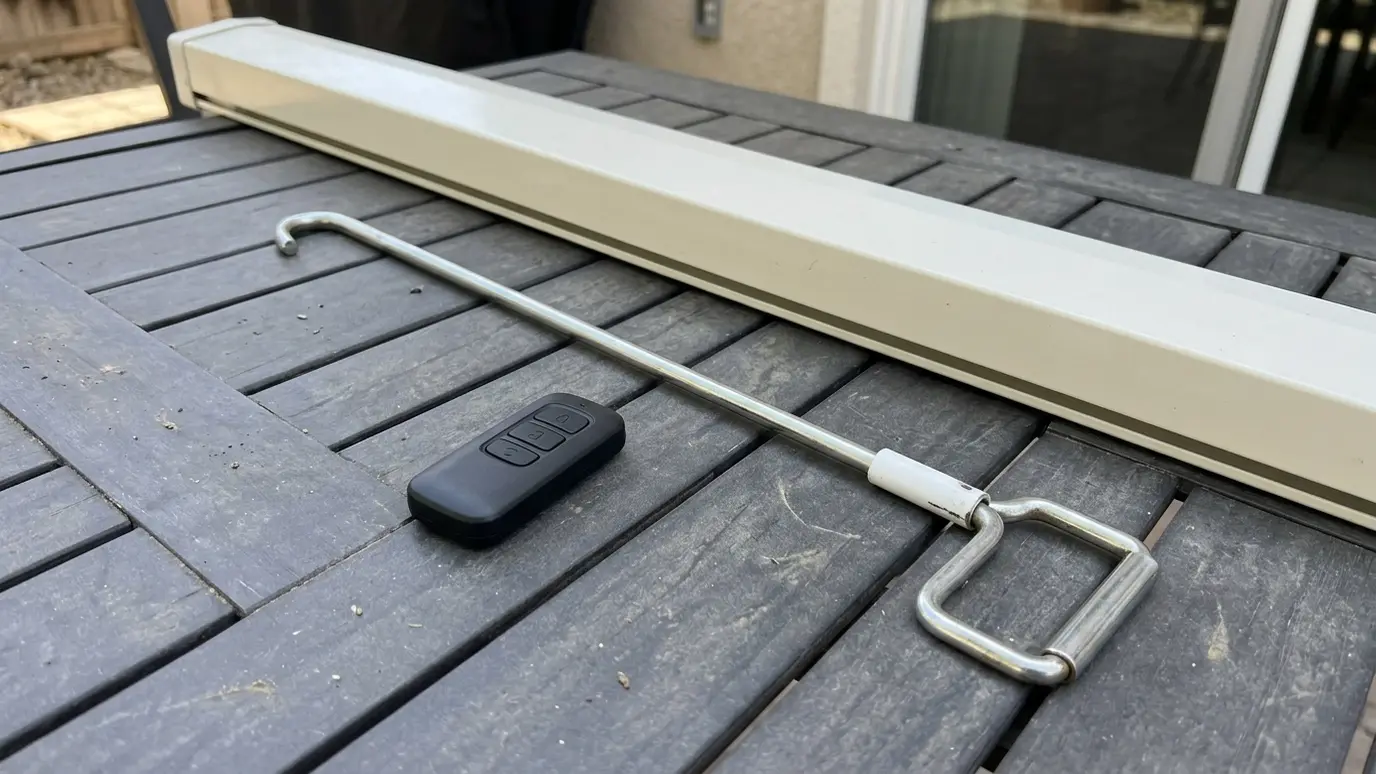
A motorized screen lowers with a button. A crank screen takes a minute of turning. For daily use or wide screens, motors are far more convenient.
Manual suits rare, small openings.
Cost
Manual screens usually cost less up front because there is no motor, remote or power work. Motorized screens add cost for those parts.
Think about how often you will use them.
Reliability
Cranks have few parts and little to fail. Motors from established makers are dependable but can need service in time.
Both last for years with care.
Power and wiring
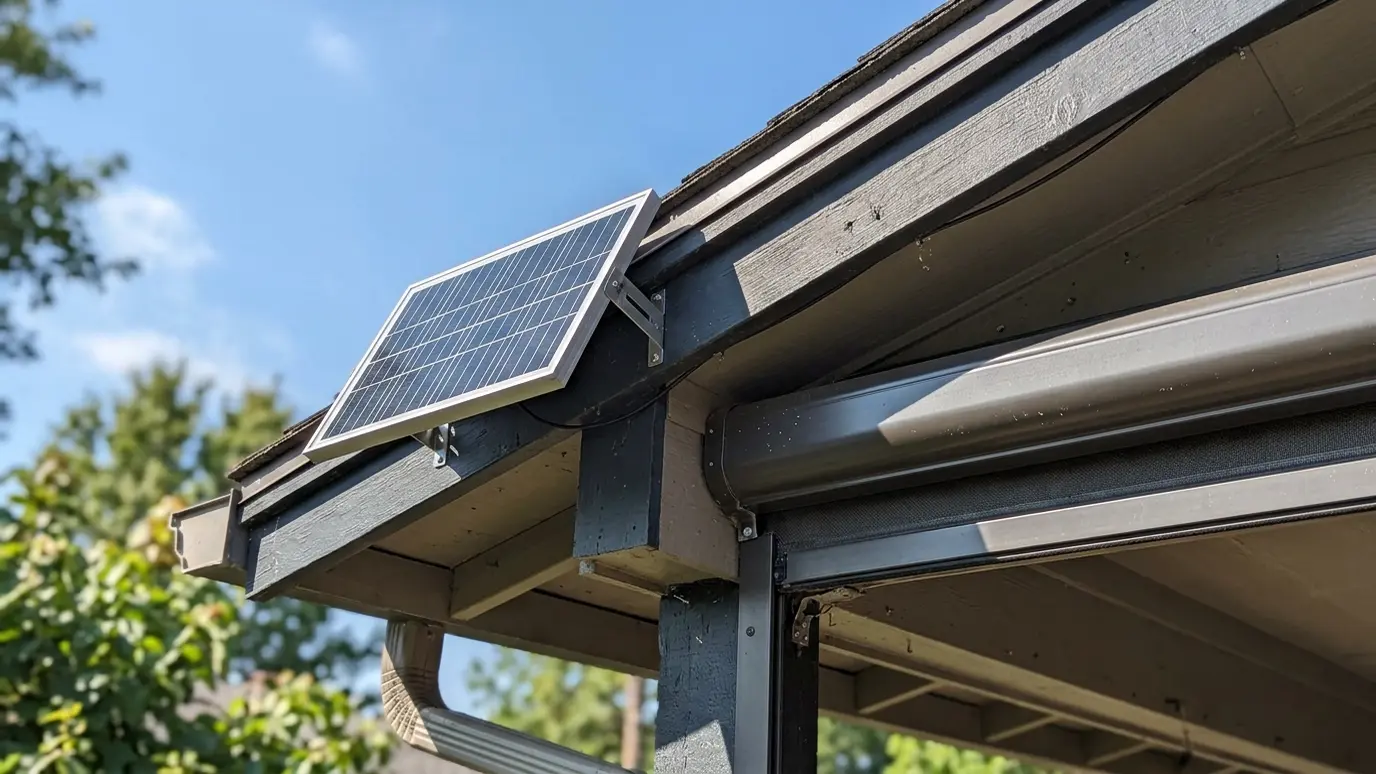
Motorized screens need power or a battery. Manual screens need none, which can suit remote structures.
Battery and solar motors offer a middle path.
Backup
Most motorized screens can be cranked or have battery backup. That gives you the best of both in an outage.
We explain the options for each system.
Who should choose what
Choose motorized for large, daily-use screens and automation. Choose manual for small openings, tight budgets or places without power.
Many homes use both.
Motorize anything you will use every day, and keep manual for small, rarely used openings.